




The German Elite: A Definitive Comparison of BMW vs. Mercedes-Benz
The landscape of automotive engineering has long been dominated by a select few marques that embody precision, performance, and prestige. Among these titans, the German rivals—BMW and Mercedes-Benz—stand as beacons of automotive excellence, representing the pinnacle of German ingenuity. For decades, these two brands have competed fiercely, each carving out distinct niches in the global luxury market.
While both brands trace their lineage to Germany’s rich engineering heritage, they cater to fundamentally different driver personalities. For an automotive enthusiast, the choice between BMW and Mercedes-Benz is more than a simple transaction; it’s a philosophical statement about one’s relationship with driving.
This comprehensive analysis will dissect the critical differentiators between BMW and Mercedes-Benz across every spectrum of ownership—from brand reputation and aesthetic design to performance capabilities and interior luxury. Drawing upon my 10 years of experience in the automotive industry, I aim to provide an expert, in-depth perspective that transcends basic comparisons, helping discerning buyers understand which German luxury brand truly aligns with their automotive DNA.
Brand Identity and Automotive Legacy
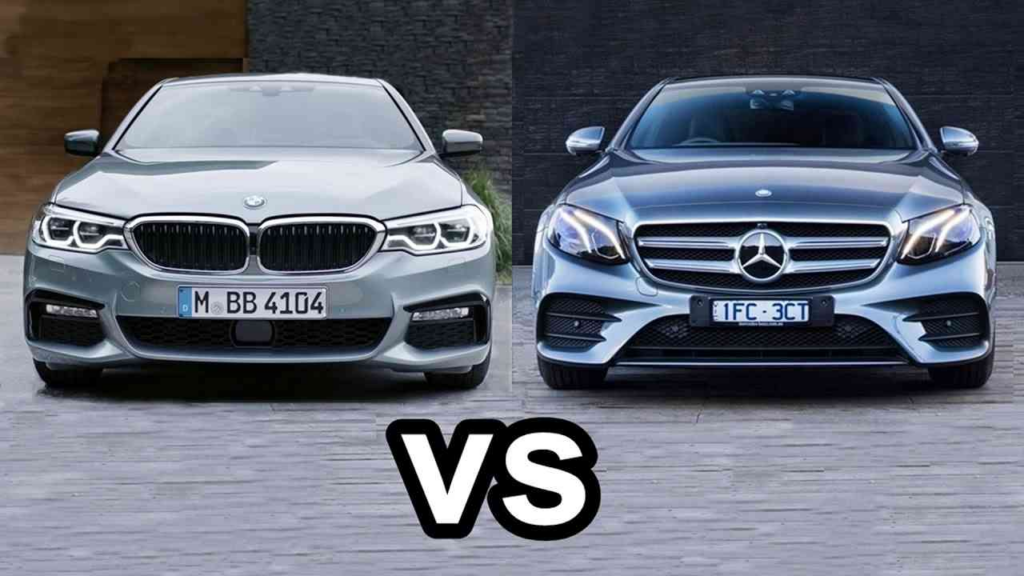
Understanding BMW vs. Mercedes-Benz begins with acknowledging the historical context and the cultural identity each brand has cultivated over time. In the automotive world, brand perception is not merely marketing fluff; it’s the result of decades of engineering philosophy and consumer experience.
The Mercedes-Benz Pedigree: The Architect of the Automobile
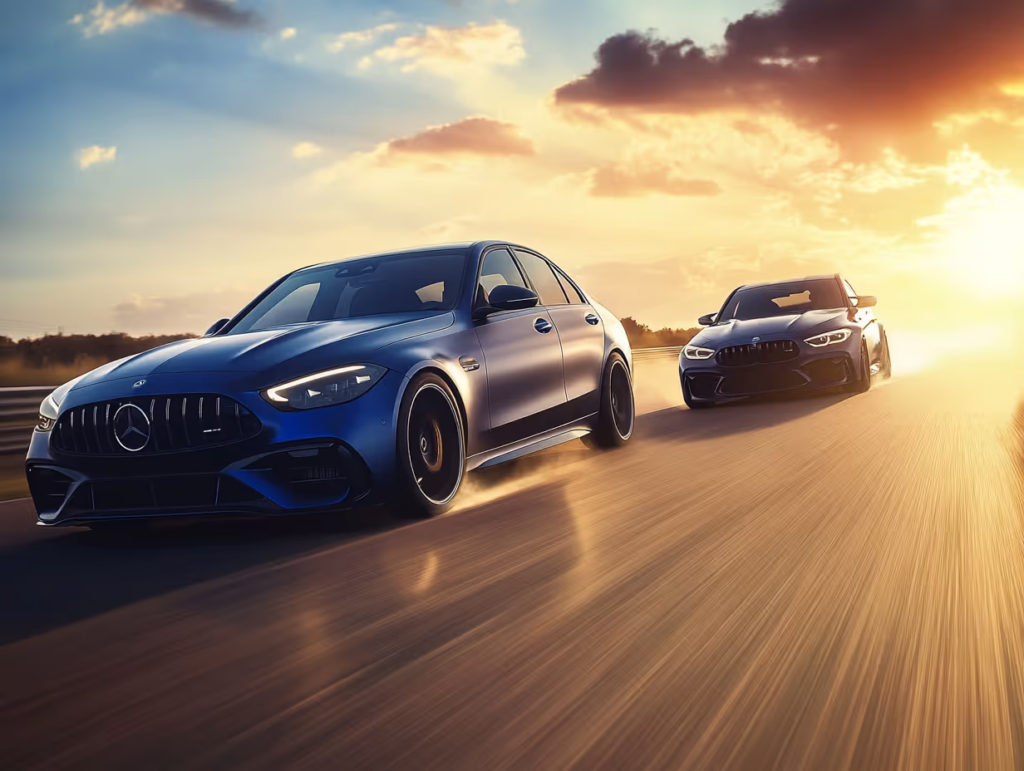
To understand Mercedes-Benz is to understand the genesis of the automobile itself. The Stuttgart-based manufacturer holds the distinguished title of inventing the first gasoline-powered automobile in 1886. This pioneering spirit has been deeply embedded in the brand’s DNA, shaping its identity as an innovator, a benchmark for safety, and the ultimate purveyor of luxury.
Mercedes-Benz has strategically positioned itself as the epitome of elegance, comfort, and technological sophistication. The brand appeals to a demographic that values refinement over raw performance, understated luxury over overt sportiness, and cutting-edge technology over visceral engagement. Historically, Mercedes-Benz has been the preferred choice for captains of industry, diplomats, and those seeking a serene and dignified driving experience. The iconic three-pointed star is more than a logo; it’s a global symbol of status, success, and enduring quality.
Key differentiators of the Mercedes-Benz identity:
Luxury as a Core Philosophy: Mercedes-Benz is synonymous with premium luxury. The brand is celebrated for its exquisite materials, meticulous craftsmanship, and plush ride quality.
Innovation and Safety: From its inception, Mercedes-Benz has been a leader in automotive innovation, pioneering many safety features that are standard today, such as the crumple zone.
Technological Leadership: The brand consistently leads in areas of driver assistance systems, infotainment, and interior technology, often setting the benchmark for the luxury segment.
The BMW Ethos: The Ultimate Driving Machine
In stark contrast to Mercedes-Benz’s focus on luxury and innovation, BMW was founded on a different premise—the pursuit of driving exhilaration. BMW’s corporate philosophy, famously summarized as “The Ultimate Driving Machine,” reflects a commitment to performance, precision, and dynamic driving dynamics.
BMW’s engineering philosophy emphasizes a driver-centric approach, prioritizing handling, steering feedback, and engine responsiveness. The brand appeals to enthusiasts who view driving as an interactive experience, not just a means of transport. While BMW also offers luxury and advanced technology, these elements are always subservient to the driving experience. The signature kidney grille, aggressive styling, and rear-wheel-drive bias have cemented BMW’s reputation as the choice for those who enjoy the act of driving itself.
Key differentiators of the BMW identity:
Performance Focus: BMW’s core identity is built around sportiness and driver engagement. The brand is famous for its powerful engines and agile chassis.
Agility and Handling: BMW prioritizes chassis balance and handling precision, giving drivers a sense of connection to the road.
Driver-Centric Interior Design: BMW cockpits are designed with the driver in mind, featuring intuitive controls and a sporty ambiance.
Brand Positioning and Target Audience
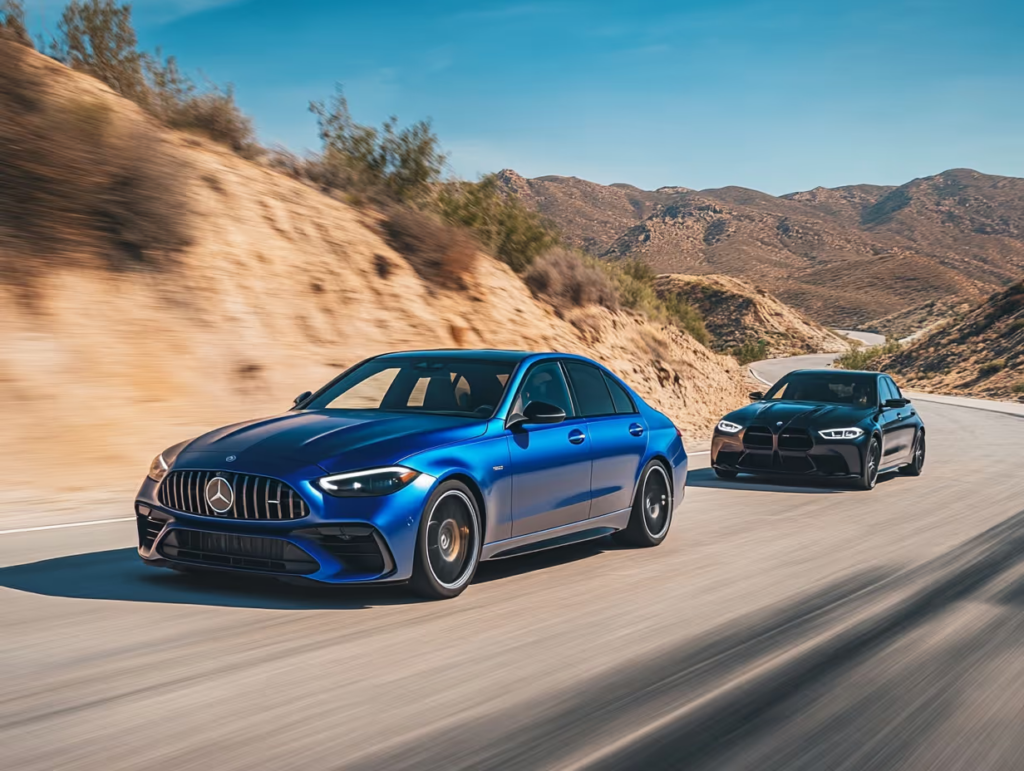
When comparing BMW vs. Mercedes-Benz, the primary difference lies in the target audience they attract.
Mercedes-Benz appeals to a sophisticated, established demographic that values prestige, comfort, and technological refinement. The average buyer is someone who enjoys being driven, appreciates luxury appointments, and seeks a status symbol that exudes quiet confidence.
BMW targets a younger, performance-oriented demographic that values dynamic driving, sporty aesthetics, and precision engineering. The typical BMW buyer enjoys driving themselves, seeks agile handling, and appreciates the “ultimate driving machine” experience.
Aesthetic Appeal: A Study in Design Philosophy
The visual identity of a car often dictates its first impression, and when comparing Mercedes-Benz vs. BMW design, it’s clear that both brands have distinct aesthetic philosophies. While both offer high-end finishes, the overall look and feel cater to different preferences.
Mercedes-Benz: Elegance and Sophistication
Mercedes-Benz vehicles are synonymous with timeless elegance and sophisticated design. The design language is characterized by flowing lines, subtle contours, and a sense of graceful presence. The brand’s aesthetic is refined, smooth, and subtly luxurious.
Key design elements of Mercedes-Benz:
Flowing Body Lines: Mercedes-Benz vehicles typically feature smooth, sweeping curves and rounded shapes that exude sophistication and class.
Refined Grille and Lighting: The iconic three-pointed star is often framed by an elegant grille design, and the LED lighting signatures are sophisticated and stylish.
Premium Materials: The interior is a sanctuary of luxury, featuring premium leather, wood veneers, and refined aluminum accents.
A Sense of Calm: The overall design promotes a sense of peace, comfort, and luxury, appealing to those who value tranquility in their driving experience.
BMW: Sporty and Bold Aesthetics
BMW cars project a sporty, aggressive, and athletic stance. The design is sharper, bolder, and more dynamic than Mercedes-Benz.
Key design elements of BMW:
Aggressive Styling: BMW vehicles feature sharp lines, defined creases, and a muscular stance that conveys power and performance.
Signature Kidney Grille: The iconic BMW kidney grille is a polarizing but unmistakable design element that gives the brand a distinctive face.
Focus on Aerodynamics: The design is often dictated by aerodynamic efficiency, resulting in a sleek, performance-oriented profile.
Driver-Focused Interior: The cockpit is designed for the driver, with intuitive controls and a sporty ambiance.
Visual Comparison: Which is Better Looking?
Deciding whether BMW vs. Mercedes-Benz is better looking is subjective.
For those who appreciate sporty and aggressive styling, BMW’s sharp lines and performance-oriented stance may be preferred. The design feels dynamic and assertive.
For those who value classic elegance and sophistication, Mercedes-Benz’s flowing lines and refined finishes are more appealing. The design feels mature and composed.
The visual difference is clear: BMW is athletic, while Mercedes-Benz is elegant. The choice depends entirely on personal preference and the desired aesthetic statement.
Performance and Driving Dynamics
When analyzing the BMW vs. Mercedes-Benz driving experience, the fundamental difference in engineering philosophy becomes apparent. BMW is renowned for its ultimate driving experience, while Mercedes-Benz offers a blend of performance and refined comfort.
BMW: The Ultimate Driving Machine
BMW’s commitment to driving performance is evident in its powertrain engineering and chassis tuning. The brand is famous for its smooth, powerful engines and agile handling characteristics.
Key performance attributes of BMW:
Engine Power: BMW is known for its inline-six engines, which are renowned for their smoothness, refinement, and linear power delivery.
Handling Precision: BMW prioritizes chassis balance and steering feedback, providing drivers with a direct connection to the road.
Driving Engagement: The driving experience is engaging, sporty, and athletic, making the driver feel in control and connected to the vehicle.
Mercedes-Benz: Performance Meets Comfort
While Mercedes-Benz also offers high-performance models, its core philosophy emphasizes comfort and refinement. The brand excels at providing a smooth, effortless, and luxurious ride.
Key performance attributes of Mercedes-Benz:
Smooth Power: Mercedes-Benz vehicles are equipped with powerful, refined engines that offer smooth acceleration and effortless cruising.
Comfort-Focused Ride: The suspension is tuned to prioritize comfort, absorbing road imperfections and providing a serene ride.
Technological Integration: Advanced driver assistance systems and infotainment technologies enhance the driving experience by reducing stress and improving safety.
Performance Comparisons
When comparing BMW vs. Mercedes-Benz performance, key points include:
Handling vs. Ride Quality: BMW excels in handling and agility, whereas Mercedes-Benz leads in ride comfort and refinement.
Acceleration: Both brands offer powerful engines, but BMW often feels sportier and more responsive.
Driving Experience: BMW offers an engaging, dynamic driving experience, while Mercedes-Benz provides a smooth, sophisticated, and relaxed ride.
Mileage and Fuel Efficiency
In the luxury segment, BMW vs. Mercedes-Benz fuel efficiency is often a secondary consideration to performance and comfort. However, with rising fuel prices and environmental consciousness, fuel economy has become increasingly important.
General Trends in Fuel Efficiency
Both brands offer a range of engines, including gasoline, diesel, and plug-in hybrid models. The fuel efficiency varies