




Precision Meets Plush: Decoding the Choice Between BMW and Mercedes-Benz
For discerning American buyers navigating the elite landscape of luxury German automotive engineering, the decision between BMW and Mercedes-Benz is less about choosing a car and more about defining an identity. While both marques represent pinnacles of performance, design, and technological prowess, they cater to fundamentally different psychologies of luxury. Choosing between BMW vs Mercedes is a masterclass in self-analysis, revealing whether one values the visceral thrill of the driver’s seat or the serene sanctuary of the interior.
For over a decade in the automotive industry, I have observed that the “best” luxury car is ultimately the one that aligns with the owner’s lifestyle. As an expert in luxury car comparison, I can attest that this rivalry extends far beyond the showroom floor. It is a cultural phenomenon, a battleground where engineering prowess meets aesthetic philosophy. This comprehensive deep dive explores the nuanced differences between these automotive giants, dissecting everything from their brand ethos and design languages to their performance metrics and technological innovations, all within the context of the 2025 American marketplace.
Brand Identity: The Sporty Heart vs. The Elegant Soul
To truly understand the BMW vs Mercedes debate, one must first unpack the DNA of each brand.
BMW – The Ultimate Driving Machine:
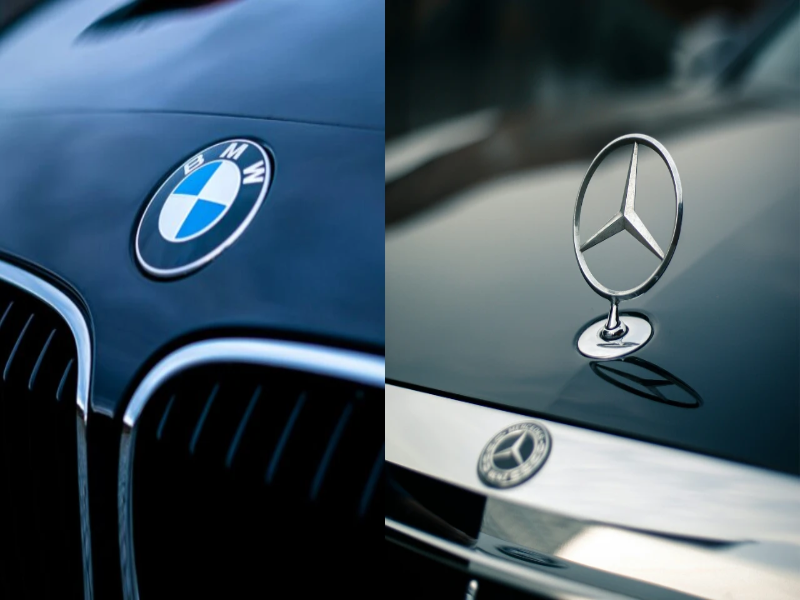
BMW has built its global empire on the visceral promise of being the “Ultimate Driving Machine.” This identity is deeply rooted in performance engineering, sporting heritage, and a tangible connection between the driver, the machine, and the road.
Performance Philosophy: BMW’s engineering philosophy is fundamentally driver-centric. Their chassis are tuned for balance, responsiveness, and precision. The experience is defined by sharp steering, compliant damping, and a chassis that communicates every nuance of the road surface. This focus makes them exceptionally popular among enthusiasts who crave engagement.
Sporty Stance: Visually, BMW embodies athleticism. Characterized by dynamic body lines, aggressive fascias, and the iconic kidney grille, the design suggests motion even when stationary. For a buyer in the 2025 BMW lineup, the aesthetic appeal lies in the promise of performance.
Technological Focus: While BMW offers cutting-edge technology, it is often implemented to enhance the driving experience. Features like the M Drive Professional, advanced driver-assistance systems (ADAS), and intuitive infotainment are designed to keep the driver in control and informed.
Target Audience: The typical BMW buyer is younger or younger at heart, values driving dynamics above all else, and perceives performance as the ultimate form of luxury. They are often described as passionate, confident, and competitive.
Mercedes-Benz – The Star of Sophistication:
Mercedes-Benz, the Stuttgart-based titan, represents a different paradigm of luxury. It is the embodiment of class, comfort, and technological opulence. For decades, the Mercedes-Benz name has been synonymous with executive transportation, premium features, and a ride quality that cocoons passengers in refinement.
The Sanctuary Experience: Mercedes focuses on isolation and comfort. The interior is a sanctuary, designed to mute road noise and dampen vibrations. The ride quality is typically smoother and more plush than in its BMW counterparts, making long journeys effortless.
Elegant Aesthetics: Mercedes-Benz is renowned for its timeless design language. Utilizing flowing lines, sophisticated curves, and the unmistakable three-pointed star, the brand exudes understated elegance and sophistication. The design is often more restrained than BMW’s aggressive stance, appealing to those who value prestige and class.
Technological Innovation: Mercedes-Benz has often been the first to introduce groundbreaking automotive technology, from active safety systems to advanced driver-assistance technologies like PREMIUM MERCEDES-BENZ DRIVER ASSISTANCE PACKAGES. Their MBUX infotainment system is a benchmark for usability and visual appeal.
Target Audience: The Mercedes-Benz buyer is often more mature, values prestige, status, and supreme comfort, and seeks a vehicle that reflects their professional success. They prioritize a smooth ride, opulent interior finishes, and cutting-edge safety features.
Design Analysis: A Matter of Aesthetic Preference
The question of which design is superior is inherently subjective, but the differences are significant enough to sway purchasing decisions. When comparing luxury cars 2025, design plays a critical role.
BMW’s Bold Identity:
BMW’s exterior design often leans into a muscular, athletic aesthetic. Recent models have featured polarizing front-end designs, such as the large kidney grilles, which generate strong reactions. However, the overall silhouette remains grounded in dynamism.
Aggressive Stance: BMW cars are designed to look powerful from every angle. Sharp lines, prominent character lines running along the body, and a low, wide stance give them an aggressive and sporting appearance.
Signature Grille: The kidney grille is BMW’s most recognizable feature. In recent years, its size has expanded significantly, becoming a bold design statement that separates the brand from its competition.
Driver-Focused Cockpit: Inside, the BMW cockpit is a masterpiece of driver-centric ergonomics. The dashboard is angled toward the driver, controls are logically placed, and the use of high-quality materials like aluminum, carbon fiber, and fine leather creates a premium environment. The optional M Carbon bucket seats in high performance BMW models are a testament to this focus.
Mercedes-Benz’s Refined Elegance:
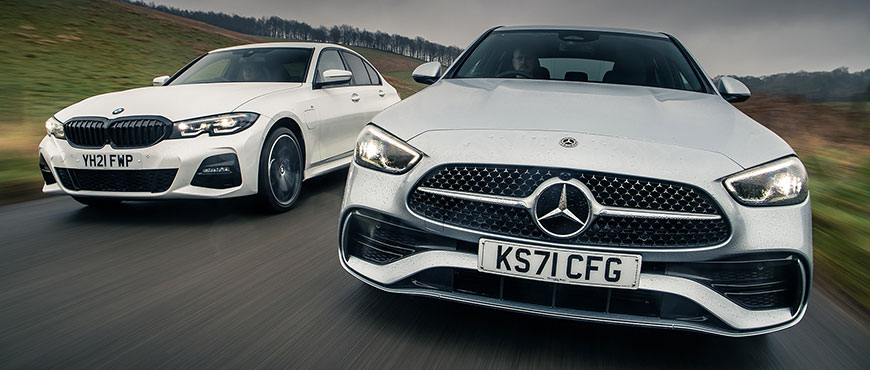
Mercedes-Benz, conversely, favors a design language that speaks of refinement, sophistication, and class.
Flowing Lines: Mercedes-Benz vehicles typically feature softer, flowing lines and smoother body panels. The design feels more fluid and less aggressive than BMW’s muscular styling, projecting an aura of grace and maturity.
Timeless Logo: The three-pointed star badge is a global symbol of luxury and quality. Its placement on the grille or hood signifies a certain prestige that has been cultivated over decades.
Luxurious Ambience: The interior is the star of the Mercedes show. Featuring high-end materials, ambient lighting that can be configured to mood, and a focus on acoustic comfort, the cabin is designed to be a retreat. The luxury interior Mercedes-Benz features often include plush leather, real wood trim, and seamless integration of technology.
Performance Comparison: Handling Meets Power
When analyzing BMW vs Mercedes performance, it is essential to distinguish between raw acceleration, handling dynamics, and ride comfort.
BMW’s Engineering Mastery:
BMW’s core identity as the “Ultimate Driving Machine” is reflected in their engineering. The brand consistently engineers vehicles with a focus on handling, precision, and driver engagement.
Chassis and Suspension: BMW chassis are tuned for precision and responsiveness. They prioritize a balanced weight distribution and suspension setups that provide excellent grip and body control. This makes BMW handling and driving experience a benchmark in the industry.
Powertrain: BMW is known for its powerful, high-revving engines. Whether it’s the compact inline-four engines found in models like the 2025 BMW 3 Series or the muscular V8s powering the high performance BMW models, the brand consistently delivers strong acceleration and a thrilling soundtrack.
Performance Models: The BMW M division is legendary. M cars are track-ready machines that bridge the gap between everyday driving and professional motorsport. They offer blistering acceleration, razor-sharp handling, and motorsport-derived aerodynamics.
Mercedes-Benz’s Refined Drive:
Mercedes-Benz performance is defined by power delivered with refinement and smoothness.
Comfort-Oriented Ride: Mercedes-Benz vehicles prioritize ride comfort. They typically use suspension systems that absorb road imperfections, providing a smooth and isolated ride. The ride quality is often the defining factor for buyers seeking luxury transport and comfort.
Powerful yet Smooth Engines: While Mercedes-Benz produces some of the most powerful engines in the world, they are often tuned to deliver this power smoothly and effortlessly. The engine noise is typically more muted, and the power delivery is linear and composed, even in AMG performance models.
AMG Performance: While Mercedes-Benz’s focus is on comfort, the AMG division delivers breathtaking performance. AMG models are characterized by roaring V8 engines, aggressive styling, and race-tuned chassis. However, even AMG cars retain a level of refinement and luxury that distinguishes them from dedicated track machines.
Mileage and Fuel Economy: Efficiency in the Premium Segment
In the context of luxury car comparison, fuel economy is often a secondary consideration. However, for buyers in 2025 luxury vehicles, efficiency is becoming increasingly important, especially with the rising cost of fuel and the increasing availability of electrified options.
BMW’s Fuel Efficiency Landscape:
BMW offers a range of powertrains, from highly efficient turbocharged four-cylinders to powerful V8s. Their engines are optimized for performance, but some models achieve impressive fuel economy.
4-Cylinder Efficiency: BMW’s 3 Series, a staple in their lineup, offers respectable fuel economy for a luxury sport sedan. This makes the 2025 BMW 3 Series a strong contender for those seeking a balance of performance and efficiency.
Hybrid and Electric Options: With the rise of upcoming BMW cars in 2025, the brand is investing heavily in electric and hybrid technology. BMW i vehicles offer impressive range and performance while reducing fuel consumption and emissions.
Performance vs. Mileage: High-performance models, such as the high performance BMW M models, prioritize power over fuel economy, as is expected from the segment. However, BMW’s commitment to advanced engine technology ensures that even performance models remain reasonably efficient for their class.