




German Engineering Duels: A Deep Dive into BMW vs. Mercedes-Benz
The global automotive landscape is a fiercely competitive arena, particularly when comparing the premier German luxury marques: BMW and Mercedes-Benz. For generations, these two titans of engineering have engaged in a continuous pursuit of automotive excellence, each carving out a unique niche based on distinct philosophies. This analysis will dissect the core attributes, design language, performance characteristics, and value propositions that differentiate BMW vs. Mercedes-Benz, offering a comprehensive perspective for discerning enthusiasts seeking the ultimate luxury driving experience.
The Heritage of Innovation: Brand Identity and Market Positioning
To truly understand the rivalry between BMW and Mercedes-Benz, one must first appreciate the foundational identities that define each marque. Both brands command immense respect within the automotive sphere, but they resonate with different drivers for fundamentally distinct reasons.
BMW: The Ultimate Driving Machine
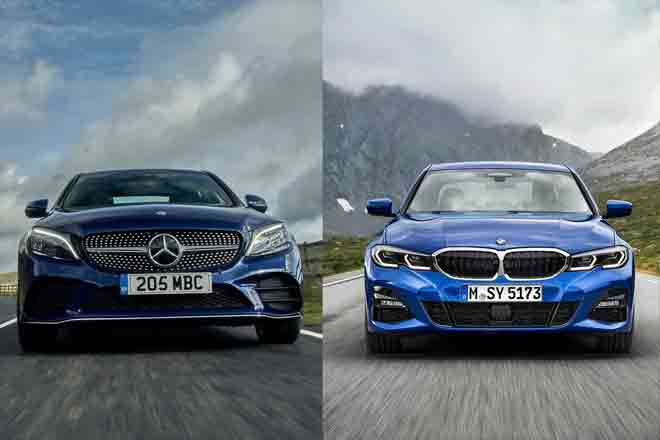
BMW, standing for Bayerische Motoren Werke, has built its formidable reputation on a singular promise: the joy of driving. The company’s unwavering focus on performance, precision engineering, and engaging dynamics has positioned it as the darling of enthusiasts who prioritize an exhilarating driving experience above all else.
Performance and Precision: BMW’s engineering philosophy is centered around achieving a perfect balance between power, handling, and driver engagement. The marque is renowned for its “ultimate driving machine” mantra, producing vehicles that feel agile, responsive, and connected to the road. This commitment to driver-centric dynamics is often reflected in sports-oriented suspension tuning, precise steering feel, and potent engine outputs.
Technological Integration: Beyond pure performance, BMW has consistently pushed the envelope in automotive technology. Its infotainment systems, like the iDrive controller, have been industry pioneers in human-machine interaction. In 2025, BMW continues to leverage advanced driver-assistance systems (ADAS), sophisticated connectivity features, and cutting-edge digital cockpits to enhance the driving experience.
Target Audience: Historically, BMW has resonated with a younger, more performance-oriented demographic. These are drivers who appreciate the subtle nuances of handling, the satisfying thrum of a powerful engine, and a car that rewards spirited driving. The brand appeals to those who view driving as an active experience rather than mere transportation.
Mercedes-Benz: The Pinnacle of Luxury and Comfort
Mercedes-Benz, a name synonymous with elegance, prestige, and automotive innovation, represents the pinnacle of luxury and refinement. The brand’s philosophy is centered on creating a sanctuary of comfort and sophistication, ensuring every journey is a smooth and opulent affair.
Elegance and Timeless Design: Mercedes-Benz vehicles are characterized by their timeless and sophisticated aesthetics. The design language often features softer lines, flowing body contours, and understated elegance, exuding an air of quiet confidence. The iconic three-pointed star is more than just a logo; it is a symbol of automotive heritage, luxury, and unparalleled quality.
Unrivaled Comfort and Luxury: From the plush leather interiors to the advanced climate control systems and noise-cancellation technologies, Mercedes-Benz prioritizes passenger comfort above all else. The brand has perfected the art of creating a serene driving environment, making it the preferred choice for those who value relaxation and refinement during their travels.
Advanced Technology: Mercedes-Benz has long been a leader in pioneering cutting-edge automotive technology. The marque is renowned for integrating advanced driver-assistance systems, innovative infotainment solutions like the MBUX system, and sophisticated comfort features, setting the standard for luxury vehicle innovation.
Aesthetic Duel: A Comparison of Design Philosophy
The visual identity of a car is often the first point of contact for potential buyers. When comparing BMW vs. Mercedes-Benz, the aesthetic differences are immediately apparent, reflecting the distinct philosophies of each brand.
The Athletic Aggression of BMW
BMW’s design language is characterized by its sporty and aggressive stance. The marque typically features sharp lines, muscular proportions, and a bold, commanding front fascia.
Sporty Stance: BMWs often project a dynamic and athletic image, thanks to their sharp contours, aggressive body kits, and distinctive wheel designs. The design language suggests speed, power, and agility, appealing to those who appreciate an assertive and performance-oriented look.
The Signature Grille: The iconic BMW kidney grille is a polarizing but unmistakable design element. Its evolution over the years has been a topic of much debate, but it remains a defining feature that gives the brand a unique visual identity. In 2025, BMW continues to refine this signature element across its lineup, creating a cohesive and recognizable design language.
Driver-Centric Interior: Internally, BMW designs prioritize the driver. The cockpit is typically driver-oriented, with intuitive controls and ergonomic layouts that enhance the connection between the driver and the machine. The M-Series models, in particular, showcase a focus on performance-oriented design elements, such as sport seats and performance-oriented steering wheels.
The Elegant Refinement of Mercedes-Benz
Mercedes-Benz vehicles exude a timeless elegance and sophisticated refinement. The design language is characterized by its flowing lines, premium finishes, and understated luxury.
Classy and Smooth Design: Mercedes-Benz adopts a softer, more flowing aesthetic characterized by smooth curves and elegant contours. The three-pointed star emblem, high-end material choices, and refined ambient lighting create a luxurious and sophisticated atmosphere within the cabin.
Luxurious Details and Finish: Mercedes-Benz is renowned for its attention to detail in interior design. From premium leather and wood trims to sophisticated ambient lighting and advanced infotainment systems, the brand ensures every touchpoint conveys luxury and refinement.
Focus on Comfort: The interior design of a Mercedes-Benz is centered around creating a passenger-centric experience. The brand prioritizes comfort, offering spacious cabins, premium seating materials, and advanced climate control systems, making it the ideal choice for those who value a relaxed and luxurious driving environment.
Engineering Showdown: Performance and Mileage Comparison
When evaluating BMW vs. Mercedes-Benz, performance and efficiency are critical metrics that define the driving experience. While both brands offer powerful and capable vehicles, they approach these aspects with different priorities.
Performance: Precision vs. Plush Power
BMW’s Performance Focus: BMW has cultivated a reputation as the purveyor of the “ultimate driving machine.” Its engineering philosophy emphasizes precise handling, athletic suspension tuning, and responsive powertrains. This focus on driver engagement ensures that every drive is exhilarating, making BMW a top choice for driving enthusiasts.
Mercedes-Benz’s Performance Balance: While Mercedes-Benz also offers high-performance models, the brand typically prioritizes a smoother, more refined ride. The focus is on a seamless blend of power, comfort, and technological integration. Mercedes-Benz engineers strive to deliver a composed and sophisticated driving experience, even in their sportier models.
Mileage and Fuel Efficiency
The fuel efficiency of BMW vs. Mercedes-Benz varies depending on the specific model, engine type, and driving conditions.
Efficiency in BMW: BMW’s high-performance models, while offering thrilling acceleration, may have lower fuel consumption. However, BMW has made significant strides in offering hybrid and efficient engine options across its lineup, ensuring that performance enthusiasts can also enjoy reasonable fuel efficiency.
Efficiency in Mercedes-Benz: Mercedes-Benz offers a diverse range of engine options, including highly efficient diesel variants. The brand has also invested heavily in hybrid and electric technology, allowing drivers to experience luxury and performance without compromising on fuel efficiency.
Pricing and Features: A Comparative Analysis
The decision between BMW vs. Mercedes-Benz often comes down to price and features. Both brands offer a wide range of models and trim levels, providing various options for discerning buyers.
Pricing Structure and Value Proposition
BMW Pricing: BMW offers a wide range of models and trim levels, providing more price flexibility. The BMW 3 Series, for example, serves as an accessible entry point into the premium luxury segment. The brand’s pricing strategy often reflects its focus on performance and driving dynamics, with premium features and engine options commanding higher prices.
Mercedes-Benz Pricing: Mercedes-Benz is generally positioned at a slightly higher price point compared to comparable BMW models. The Mercedes-Benz C-Class offers a luxury driving experience at a competitive price, while the S-Class represents the pinnacle of luxury, comfort, and advanced technology.
Features and Technology Differentiation
BMW Features: BMW is renowned for its focus on the driving experience. Signature features include sporty handling, powerful engines, and dynamic driving dynamics. The M-Series models are particularly famous for their performance-oriented features, aggressive design, and advanced engineering.
Mercedes-Benz Features: Mercedes-Benz distinguishes itself through its emphasis on advanced technology, luxury, and comfort. Premium leather interiors, massage seats, ambient lighting, and superior ride quality are hallmarks of the brand. The Mercedes-Benz MBUX infotainment system is a leader in digital innovation, providing an intuitive and engaging user experience.
Conclusion: Which Brand Reigns Supreme in the Luxury Market?
Ultimately, the choice between BMW vs. Mercedes-Benz depends on individual preferences, driving priorities, and lifestyle needs. Both brands represent the pinnacle of German engineering and luxury, but they cater to different types of drivers.
Choose BMW if: You prioritize performance, driving dynamics, and an exhilarating driving experience. BMW is the choice for those who appreciate precision engineering, sporty handling, and a car that feels responsive and engaging on the road.
Choose Mercedes-Benz if: You value comfort, luxury, and sophisticated design. Mercedes-Benz is the preferred choice for those who seek a premium driving experience characterized by timeless elegance, advanced technology, and a serene and comfortable cabin.
In the ongoing BMW vs. Mercedes-Benz rivalry, both brands continue to push the boundaries of automotive innovation. Whether you choose the