




BMW vs. Mercedes: A Deep Dive into the Ultimate Luxury Sedan Showdown
The German Titan Clash: Navigating the Brand Identity and Industry Reputation
The automotive world often speaks in terms of horsepower, torque, and 0-60mph times, but the language of luxury cars is spoken through something far subtler: brand identity and industry reputation. For decades, two names have dominated the conversation as the epitome of automotive engineering, performance, and prestige: BMW and Mercedes. These German giants are not merely manufacturers of vehicles; they are purveyors of driving philosophy. They represent distinct approaches to what it means to own and operate a luxury vehicle, and the choice between them rarely comes down to a simple checklist of features.
When discerning buyers in the United States consider a premium sedan or German luxury car, they are essentially choosing between two philosophies of mobility. For the enthusiasts, the purists, and those who view driving as a craft, BMW typically holds the crown. Known globally as the “Ultimate Driving Machine,” BMW has forged a reputation built on precision engineering, dynamic handling, and driver engagement. The brand identity is inextricably linked to performance, offering drivers a visceral connection to the road through responsive steering, powerful engines, and athletic chassis tuning.
On the other hand, Mercedes-Benz has cultivated a brand identity centered on comfort, elegance, and technological sophistication. The three-pointed star is synonymous with luxury, innovation, and a level of refinement that transforms the act of driving into a serene experience. While Mercedes offers formidable performance credentials, particularly in its AMG lineup, the brand’s core reputation is built on providing a sanctuary of comfort and cutting-edge technology. This fundamental difference in brand philosophy is the bedrock upon which the entire BMW vs. Mercedes debate is built.
Decoding Brand Identity: Why the Reputation Matters
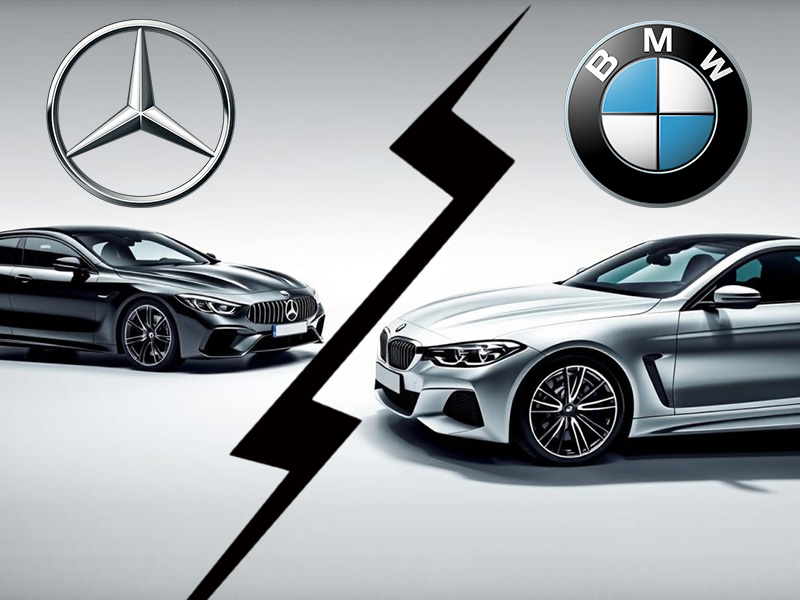
In the luxury vehicle segment, reputation often precedes the product. Buyers are not just purchasing transportation; they are investing in a lifestyle, a statement of status, and a promise of quality. Understanding the deeply ingrained reputation of BMW and Mercedes-Benz is critical for making an informed decision.
BMW’s Reputation: BMW has successfully positioned itself as the performance-oriented choice for the driver who craves engagement. The brand’s legendary handling and powertrain engineering have cemented its reputation as the purveyor of the sporty driving experience. This reputation attracts a specific demographic—younger professionals, driving enthusiasts, and buyers who prioritize dynamic feel and precision over pure comfort. Even within their luxury lineups, the hallmark of a BMW is its ability to inspire confidence and excitement behind the wheel, an expectation deeply embedded in the brand’s identity.
Mercedes-Benz’s Reputation: Conversely, Mercedes-Benz has long been the standard-bearer for luxury, comfort, and sophistication. The iconic badge symbolizes elegance, timeless design, and the highest level of refinement. Mercedes has built a reputation as the automaker that prioritizes the passenger experience as much as, if not more than, the driver. Their interiors are renowned for their opulent materials, plush seating, and ambient lighting, creating a cabin that feels more like a private lounge than a mere car. For buyers seeking a serene, comfortable, and technologically advanced driving environment, Mercedes-Benz is often the benchmark.
The Industry Landscape: A Dual-Market Dominance
The German luxury car market is defined by this intense dichotomy between BMW and Mercedes-Benz. Together, they dominate the premium segment, offering a comprehensive range of vehicles from entry-level luxury sedans to ultra-luxury flagships. The competitive landscape ensures constant innovation, with both brands pushing the boundaries of performance, technology, and design to outpace each other.
The fierce competition between BMW and Mercedes has historically driven innovation. Early adopters of new technologies, both brands have consistently pushed the envelope to set new industry standards. This dynamic environment is a boon for consumers, as it fosters a constant cycle of improvement, ensuring that the latest in automotive engineering is available at the forefront of the luxury market. In the United States, this rivalry is perhaps most evident in the luxury sedan segment, where the BMW 5 Series and Mercedes-Benz E-Class have long been locked in a battle for supremacy.
Design Philosophy: A Tale of Angular Dynamics vs. Refined Elegance
When evaluating luxury cars, the design is often the first point of contact between the buyer and the brand. The aesthetic of a vehicle serves as a visual representation of its underlying engineering and philosophy. The BMW vs. Mercedes design comparison reveals two distinct philosophies: BMW leans into a sporty, angular, and muscular aesthetic, while Mercedes-Benz champions a more refined, elegant, and flowing design language.
BMW’s Aesthetic: Sharp Lines and Dynamic Presence
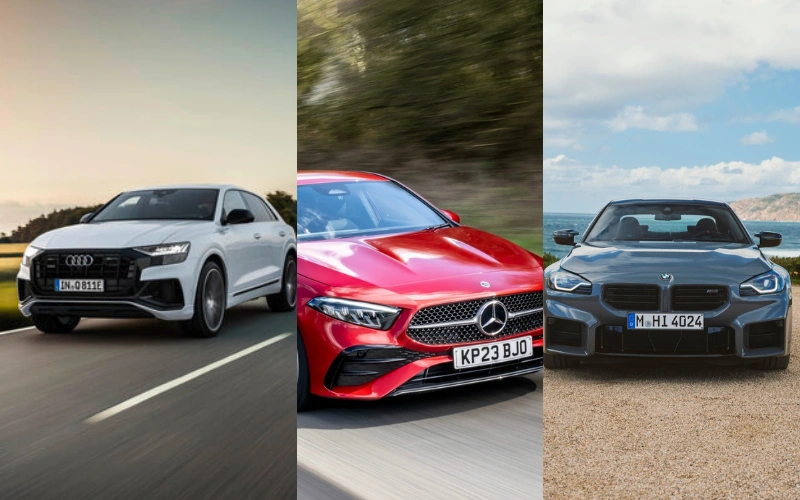
For enthusiasts, the design of a BMW is a statement of intent. The brand’s signature kidney grille, a design element that has evolved over decades, remains the focal point of its identity, conveying power and aggression. BMW cars are characterized by sharp, precise lines that create a sense of athletic tension and performance-oriented styling. The overall silhouette of a BMW sedan or coupe often exudes a dynamic and muscular presence, with a strong focus on aerodynamics and performance-enhancing features.
The sporty and bold design of BMW is immediately recognizable. Strong character lines run along the side of the body, creating a sense of movement and aggression. The long bonnet and short rear overhang contribute to a balanced and athletic stance, while the distinctive front-end design gives the vehicle a confident and assertive look. This design philosophy attracts buyers who appreciate automotive aesthetics that convey power, precision, and speed. BMW has consistently prioritized this sporty aesthetic, making it a core component of its brand identity.
Standout Features and Driver-Focused Design
Beyond the overall silhouette, specific design features further define the BMW aesthetic. The iconic kidney grille, whether in its traditional dual-kidney form or its more modern interpretations, remains a signature element. This feature has become synonymous with the brand and is often a deciding factor for buyers who value performance and prestige.
Inside the cabin, the driver-focused design of BMW is paramount. The cockpit is ergonomically designed to prioritize the driver, with intuitive controls and a focus on connectivity. The layout of the dashboard and center console is oriented towards the driver, creating a seamless experience between the driver and the vehicle. The seats are sculpted to provide excellent support during spirited driving, and the overall interior design emphasizes performance and driver engagement. This sporty and bold design is a core part of the BMW experience, setting it apart from its competitors.
Mercedes-Benz Aesthetics: Classy Curves and Lux Touches
In contrast, the design of a Mercedes-Benz is characterized by its elegance, sophistication, and refined proportions. The three-pointed star badge is a symbol of luxury and class, and the brand’s design language reflects this identity. Mercedes cars typically feature smoother, flowing body lines that create a sense of timeless elegance and grace.
The elegant and refined design of Mercedes is a testament to the brand’s commitment to craftsmanship and sophisticated aesthetics. The curves of the body are softer and more organic compared to BMW’s sharp lines, giving the vehicle a sense of fluidity and elegance. The front-end design features a prominent grille with the iconic three-pointed star, conveying a sense of prestige and luxury. This luxury focused design attracts buyers who appreciate automotive aesthetics that exude sophistication, comfort, and refinement.
Luxurious Details and Comfort-First Interiors
The luxurious details of Mercedes-Benz further define its aesthetic. The interior is designed to be a sanctuary of comfort and elegance, with premium materials and sophisticated ambient lighting. High-quality leather, polished wood trim, and chrome accents contribute to a luxurious feel that is second to none.
Inside the cabin, the design of Mercedes is comfort-focused. The seats are designed to provide maximum comfort, with plush cushioning and massage functions in some models. The interior layout is spacious and airy, creating a sense of tranquility and refinement. The comfort focused design of Mercedes-Benz ensures that the cabin is a place of relaxation, whether you are driving or being chauffeured. The combination of elegant exterior design and luxurious interior appointments makes Mercedes-Benz a symbol of sophistication and comfort.
Performance and Mileage Comparison: The Engine and Efficiency Debate
When comparing luxury cars, the performance and mileage are often the most debated aspects. Both BMW and Mercedes-Benz are renowned for their engineering prowess, but they approach performance with different philosophies. Understanding these differences is crucial for buyers considering BMW vs. Mercedes.
BMW’s Performance: The Ultimate Driving Machine
BMW’s reputation as the “Ultimate Driving Machine” is built on its commitment to performance, handling, and driver engagement. The brand offers a wide range of engines, from the efficient four-cylinder units found in the 3 Series to the high-revving six-cylinders in the M performance models. BMW’s focus on performance is evident in its aerodynamic design, responsive suspension, and precise steering, which combine to create a dynamic and engaging driving experience.
The performance focus of BMW attracts drivers who seek a visceral connection to the road. The engine tuning emphasizes responsiveness and acceleration, while the chassis is designed to provide optimal handling and agility. This athletic approach to performance makes BMW a favorite among driving enthusiasts who value precision and engagement. The brand’s commitment to sporty driving is a core component of its identity, ensuring that every BMW offers an exhilarating experience behind the wheel.
BMW’s Engine Lineup and Driving Dynamics
BMW’s engine lineup is diverse, catering to a wide range of performance preferences. The brand offers both gasoline and diesel engines, as well as