




The Ultimate German Luxury Face-Off: BMW vs. Mercedes-Benz (2025 Edition)
For decades, the Stuttgart-Munich rivalry has defined the zenith of German automotive engineering. When automotive enthusiasts debate BMW vs. Mercedes-Benz, they are not merely comparing two brands; they are debating two philosophies of driving. Both iconic marques, representing the pinnacle of German luxury, offer superior engineering and premium materials, yet they cater to distinct drivers.
As a veteran of this competitive landscape for the past ten years, I have witnessed the evolution of BMW vs. Mercedes-Benz from a debate of handling versus comfort to a sophisticated competition of performance versus technological sophistication. Today’s market demands more than just a powerful engine or a soft ride; it demands innovation, sustainability, and a seamless digital experience. This comprehensive guide explores the nuances of this rivalry, providing an exhaustive comparison of performance, design, technology, and value in the modern era.
Brand Identity and Heritage: Decoding the German DNA
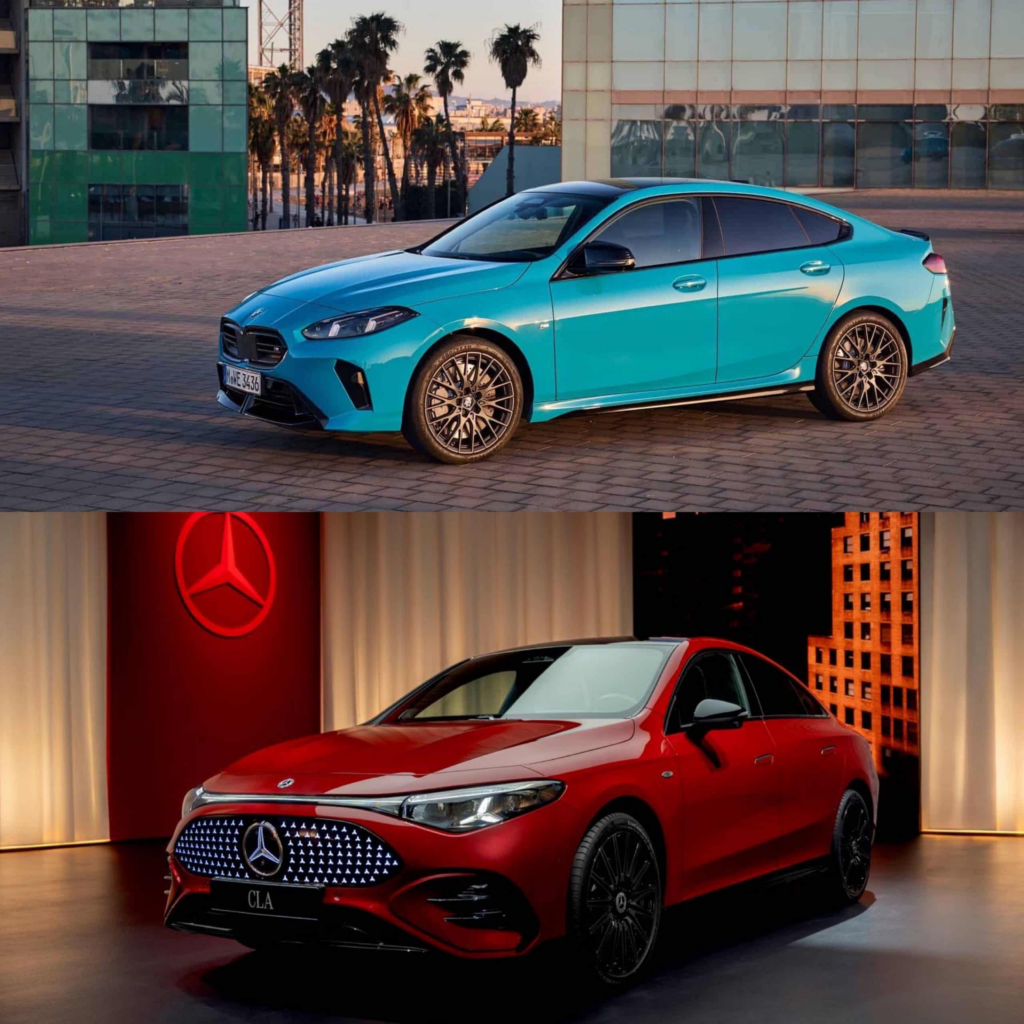
Understanding the core identity of BMW vs. Mercedes-Benz is critical to understanding their market positioning. Both are headquartered in Germany and epitomize engineering excellence, yet their heritage is marked by different paths.
BMW: The Ultimate Driving Machine
BMW, short for Bayerische Motoren Werke (Bavarian Motor Works), was originally founded in 1916 as a manufacturer of aircraft engines. This origins instilled a DNA of precision and high-octane performance that remains central to its brand identity today.
Legacy of Performance: Since the 1960s, BMW has aggressively marketed itself as “The Ultimate Driving Machine.” This slogan is not merely marketing fluff; it is an engineering mandate. BMW vehicles are renowned for their exceptional handling, precise steering, and powerful engines, catering to drivers who value engagement and precision above all else.
The Driving Experience: Whether navigating tight city streets or cruising on the open highway, the BMW experience is characterized by a sporty feel, responsive throttle, and a direct connection to the road. This philosophy has earned BMW a cult-like following among driving enthusiasts.
Design Philosophy: BMW’s design aesthetic has evolved significantly. The once controversial “Bangle Butt” and oversized kidney grilles of the early 2000s gave way to a more aggressive, angular, and athletic design in the 2020s. Modern BMWs are characterized by sharp lines, bold stances, and a muscular appearance that exudes power and athleticism.
Mercedes-Benz: The Epitome of Luxury
Mercedes-Benz, tracing its roots back to Karl Benz’s invention of the first gasoline-powered automobile in 1886, is synonymous with elegance, comfort, and cutting-edge technology. The three-pointed star has long been a symbol of prestige and sophistication.
Heritage of Sophistication: Unlike BMW’s performance-first approach, Mercedes-Benz has always prioritized comfort, ride quality, and innovation. From the groundbreaking S-Class to the versatile C-Class, the brand consistently delivers a luxurious and serene driving experience.
The Luxury Experience: Driving a Mercedes-Benz is an exercise in refinement. The cabin is designed as a sanctuary from the outside world, featuring plush materials, ergonomic seating, and advanced acoustic engineering. Passengers are enveloped in comfort, making the Mercedes-Benz experience ideal for long-distance travel and executive transport.
Design Philosophy: Mercedes-Benz has masterfully blended timeless elegance with modern design. Its vehicles often feature smooth, flowing lines, refined surfaces, and a muscular yet sophisticated stance. While BMW prioritizes aggressiveness, Mercedes-Benz focuses on a commanding and luxurious presence, highlighted by its iconic three-pointed star emblem.
Exterior and Interior Design: Aesthetic Contrasts
The visual comparison of BMW vs. Mercedes-Benz is perhaps the most contentious topic among enthusiasts. Both brands employ high-quality materials and superior craftsmanship, but their design philosophies are polar opposites.
BMW: Sporty, Bold, and Athletic
Modern BMW design is characterized by a sense of aggression and dynamism.
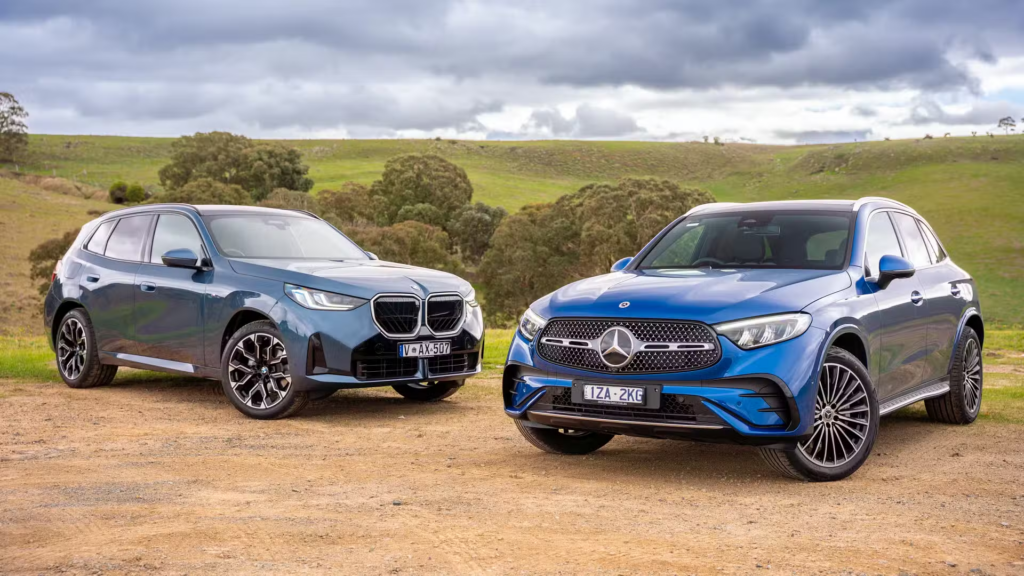
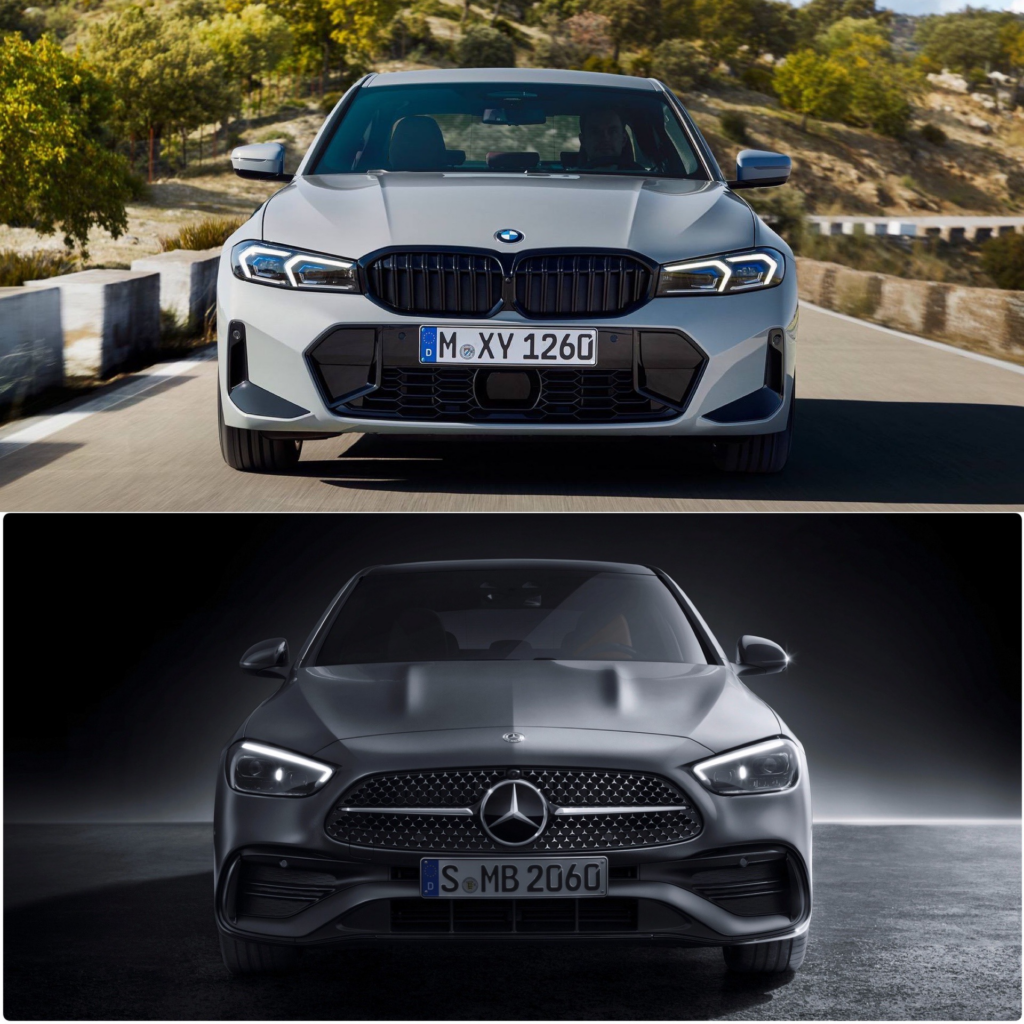
Front Fascia: The front of a BMW is dominated by its kidney grille. While controversial in recent years, BMW maintains that the grille is a core element of its heritage. It is often larger and more pronounced in current models, giving the car a strong and imposing presence.
Headlights and Lines: BMW vehicles feature sharp, angular headlights that contribute to their aggressive look. The body lines are typically sharp and sculpted, accentuating the car’s sporty nature. The Hofmeister kink (the distinctive C-pillar window shape) remains a signature design element.
Interior Design: BMW’s interiors are driver-centric. The cockpit is angled towards the driver, with a focus on ergonomics and intuitiveness. Materials are premium, featuring leather, aluminum, and carbon fiber. The layout is modern, functional, and designed to enhance the driving experience.
Mercedes-Benz: Elegant, Refined, and Classy
Mercedes-Benz interiors are the epitome of luxury and sophistication.
Front Fascia: The Mercedes-Benz grille features three distinct horizontal slats and the iconic three-pointed star, often placed prominently at the center. It exudes confidence, power, and prestige.
Body Lines and Proportions: Mercedes-Benz vehicles typically feature smoother, more fluid lines compared to BMW’s sharp angles. The body often has a more substantial, regal presence, emphasizing luxury and comfort over pure sportiness.
Interior Design: The interior of a Mercedes-Benz is designed to pamper the occupants. High-end leather, ambient lighting, and premium wood or metal trims are standard. The cabin is quiet, comfortable, and technologically advanced, creating a serene environment for both driver and passengers. The focus on tactile feedback and ergonomic comfort is unmatched.
Performance and Drivetrain: Power vs. Comfort
When comparing BMW vs. Mercedes-Benz, performance is the defining factor for many buyers. While both brands produce powerful vehicles, their approach to performance differs significantly.
BMW: The Engineering Benchmark
BMW’s commitment to its “Ultimate Driving Machine” philosophy is evident in its performance metrics.
Driving Dynamics: BMW has consistently focused on handling, precision, and driver engagement. Their suspension systems are typically tuned for a sportier feel, offering better feedback and responsiveness than competitors.
Engine Efficiency: BMW’s in-line six-cylinder engines are legendary for their smooth power delivery and performance. The brand has also invested heavily in electric vehicle technology, with the i4 and iX models offering impressive acceleration and range. However, as with many performance-oriented brands, fuel efficiency is often secondary to performance.
Acceleration and Handling: BMW often leads in acceleration and cornering capabilities. Models like the M3 and M4 are track-ready machines, while even their standard sedans offer a more athletic feel than the competition. For driving enthusiasts, BMW is the clear choice for superior handling.
Mercedes-Benz: Power with Sophistication
Mercedes-Benz offers potent performance, but always with an emphasis on refinement and comfort.
Ride Quality: The primary differentiator for Mercedes-Benz is its ride quality. The brand utilizes advanced suspension systems, including air suspension, to isolate occupants from road imperfections, providing a plush, comfortable ride even on rough surfaces.
Engine Efficiency: Mercedes-Benz has made significant strides in fuel efficiency and electrification. Their EQ line of electric vehicles offers impressive range and performance, while their hybrid models provide a balance of power and economy.
Acceleration and Handling: While not strictly track-focused, Mercedes-Benz performance models, such as the AMG line, offer exhilarating acceleration and superior handling. However, the ride remains more composed and less jarring than that of BMW’s performance variants. For buyers who want power without sacrificing comfort, Mercedes-Benz is the ideal choice.
Mileage and Fuel Economy: Efficiency in the Luxury Segment
In the current automotive landscape, fuel efficiency is a critical consideration for luxury car buyers. BMW vs. Mercedes-Benz comparison reveals that both brands offer competitive mileage, though it varies by model and engine type.
BMW Mileage
BMW vehicles are often praised for their efficient performance. Their engines are designed to deliver power without compromising too much on fuel consumption.
3 Series: The BMW 3 Series offers some of the best fuel economy in its class, especially in its 330e plug-in hybrid variant. It delivers exceptional mileage without sacrificing the sporty driving feel that BMW is known for.
5 Series: The BMW 520d is a standout performer in terms of fuel efficiency. It offers a smooth and luxurious driving experience with remarkable mileage, making it a popular choice for executives who cover long distances.
Hybrid and Electric Models: BMW has made significant strides in electrification with models like the i4 and iX. These electric vehicles offer zero-emission driving with impressive range, reflecting BMW’s commitment to sustainability.
Mercedes-Benz Mileage
Mercedes-Benz also offers a range of efficient and luxurious vehicles. Its engineers have successfully combined advanced technology with fuel economy.
C-Class: The Mercedes-Benz C-Class is a benchmark for fuel economy and luxury in the compact executive segment. The C220d offers impressive mileage and a smooth, comfortable ride, making it an excellent choice for daily commuting and long drives.
S-Class: While the Mercedes S-Class is known for its opulence, its plug-in hybrid variants offer surprisingly good fuel economy. The S5