




Navigating German Luxury: A Deep Dive into the BMW vs. Mercedes-Benz Divide
For enthusiasts of automotive engineering, the choice between the German stalwarts—BMW and Mercedes-Benz—is often one of the most critical and complex purchasing decisions. These two marques stand at the pinnacle of the automotive industry, representing decades of innovation, precision engineering, and uncompromising luxury. While both brands hail from Germany and are celebrated for setting benchmarks in performance, design, and technology, they cater to distinct consumer psychographics. Understanding the nuances between these automotive giants is essential for any buyer looking to invest in a vehicle that reflects their lifestyle, performance expectations, and desire for sophistication.
To make an informed decision, buyers must navigate a spectrum of considerations ranging from brand perception and design philosophy to driving dynamics, technology, and long-term ownership costs. This comprehensive analysis seeks to dissect the core differences that define the BMW versus Mercedes-Benz experience.
Brand Heritage and Industry Standing
The prestige of owning a BMW or Mercedes-Benz extends far beyond the vehicle itself; it is a statement about status, taste, and lifestyle. For generations, both brands have cultivated an image of excellence, but their paths toward defining luxury have diverged significantly, creating distinct loyalties among consumers.
The Heritage of BMW
BMW, an acronym for Bayerische Motoren Werke (Bavarian Motor Works), was originally founded in 1916 as a manufacturer of aircraft engines before pivoting to motorcycles and, subsequently, automobiles. This engineering heritage has indelibly shaped the brand’s identity, fostering an ethos centered on driving pleasure and performance. The phrase “The Ultimate Driving Machine” encapsulates BMW’s commitment to dynamic engineering, focusing on the tactile connection between the driver and the road.
Throughout its history, BMW vs. Mercedes-Benz has been a perennial debate where the former champions the enthusiast driver. The brand’s reputation is built on delivering engaging, responsive, and precise handling—characteristics that attract consumers who prioritize a visceral driving experience over pure comfort or opulence. This focus on performance has cemented BMW’s place in the competitive landscape of Germany car brands as a leader in sport-oriented luxury vehicles.
The Legacy of Mercedes-Benz
In contrast, Mercedes-Benz boasts a lineage traced back to the dawn of the automobile itself, having introduced the first gasoline-powered automobile in 1886. Developed by Karl Benz, the Benz Patent-Motorwagen established a foundation for luxury, engineering, and style that persists today. The three-pointed star logo is globally recognized as a symbol of sophistication, reliability, and premium quality.
Mercedes-Benz has historically positioned itself as the epitome of automotive luxury and refinement. The brand’s focus on comfort, advanced technology, and premium interiors has historically appealed to discerning buyers who seek a driving experience that is both serene and supremely comfortable. This dedication to luxury and status ensures Mercedes remains a frontrunner among the world’s most desirable luxury automobiles and a staple in global markets for those seeking opulence and innovation.
Industry Standing and Global Competition
Both brands are integral to the success of the German automobile industry, commanding significant market share in luxury segments worldwide. The global competition between BMW and Mercedes-Benz is fierce, driving a continuous cycle of innovation and feature development.
While Mercedes-Benz frequently leads in terms of overall sales volume, BMW maintains a formidable presence through its robust portfolio of sporty sedans, SUVs, and performance-oriented M-Series vehicles. The best German luxury cars are constantly pushing boundaries, and this rivalry ensures that consumers benefit from cutting-edge technology, sustainability initiatives, and refined driving experiences. The market is driven by enthusiasts and executives alike, making the BMW vs. Mercedes-Benz decision a constant conversation in the luxury automotive sector.
Design Philosophy: Sporty Precision vs. Elegant Luxury
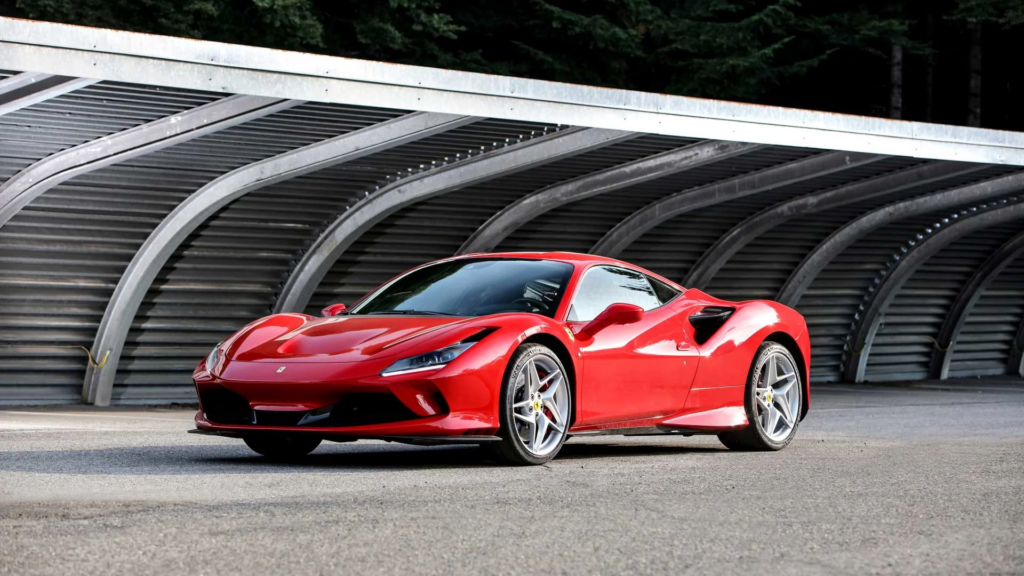
One of the most immediate distinctions between BMW and Mercedes-Benz lies in their respective design philosophies. These stylistic approaches reflect the core values of each brand, appealing to different tastes and aesthetic preferences among consumers.
The BMW Design Language
BMW’s design philosophy, often termed Ultimate Driving Machine, emphasizes a sporty, athletic, and driver-centric appearance. A BMW is typically characterized by sharp, muscular lines, a bold front-end fascia dominated by the iconic kidney grille, and a dynamic, aggressive stance. The silhouette of a BMW often conveys a sense of motion, even when the vehicle is stationary.
BMW car design is meticulously crafted to reflect performance capabilities. The proportions—often featuring a long hood, a cab-rearward stance, and muscular rear haunches—signal power and agility. Inside, the design emphasizes function and ergonomics. Driver-oriented cockpits, premium materials, and strategically placed controls ensure that the focus remains on the act of driving. This attention to detail makes BMW vehicles feel focused and purposeful, resonating with drivers who appreciate mechanical precision and athletic styling.
The Mercedes-Benz Aesthetic
In contrast, Mercedes-Benz adheres to a design language that prioritizes elegance, refinement, and timeless sophistication. Mercedes-Benz design is characterized by flowing curves, smooth lines, and a restrained, muscular grace. The hallmark three-pointed star is prominently displayed, symbolizing luxury and heritage.
The interior of a Mercedes car is designed to be a sanctuary of comfort and technological sophistication. Luxurious materials such as fine leather, polished wood, and brushed metal are used throughout the cabin, creating an atmosphere of opulence and tranquility. Modern Mercedes models are renowned for their integration of advanced infotainment and driver-assistance systems, often with ambient lighting and immersive displays that elevate the passenger experience. This focus on refinement and high-end finishes makes Mercedes a top choice for buyers seeking elegant luxury vehicles.
Comparing the Exterior Style
When placed side by side, the BMW vs. Mercedes-Benz design dichotomy becomes starkly apparent. A BMW appears more aggressive and sporty, with a taut, taut physique that suggests agility and speed. The angular design, bold grille, and muscular stance give it a more assertive road presence.
A Mercedes-Benz, conversely, projects an image of stately elegance and quiet confidence. Its smoother lines and refined proportions convey a sense of timeless luxury and sophistication. The interior of a Mercedes feels more luxurious and amenity-rich, appealing to buyers who prioritize comfort, technology, and an elevated passenger experience. Ultimately, the choice between these two Germany car brands often comes down to personal preference: the raw, sporty appeal of BMW versus the refined, luxurious elegance of Mercedes.
Performance Dynamics: Precision Handling vs. Smooth Refinement
The driving experience is where the BMW versus Mercedes-Benz rivalry is most keenly felt. While both brands offer exceptional performance, they cater to different driving styles, with BMW emphasizing precise handling and Mercedes prioritizing comfort and technological integration.
BMW: The Ultimate Driving Experience
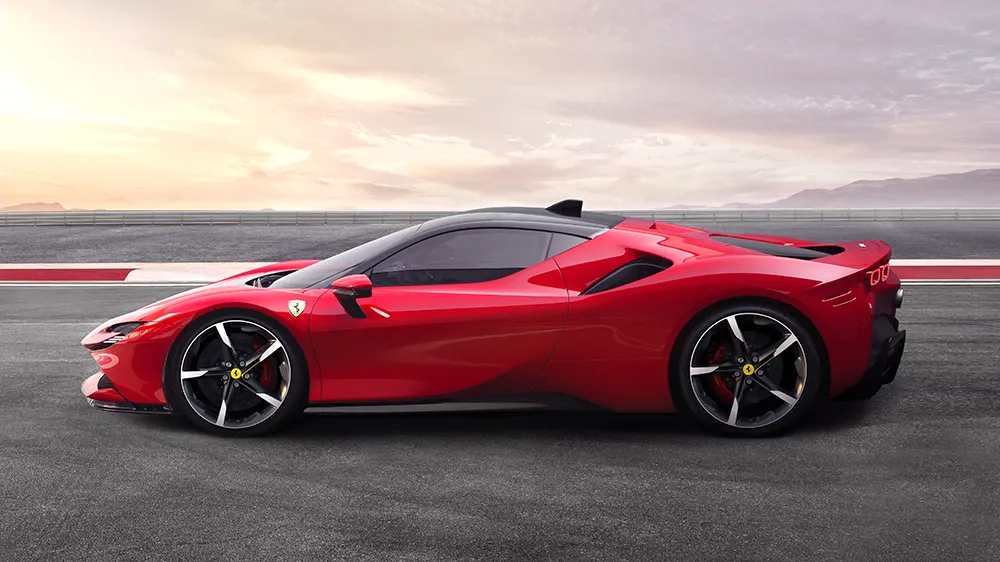
BMW has built its reputation on the promise of delivering a superior driving experience. With a focus on precision engineering, BMW vehicles offer responsive acceleration, direct steering feedback, and balanced handling. The suspension systems are tuned to provide a firm, controlled ride that allows drivers to feel connected to the road, making it a top choice among sporty luxury cars.
BMW performance is a result of decades of experience in motorsports and automotive engineering. The brand’s signature rear-wheel drive architectures, combined with advanced suspension technology and driver-assistance systems, provide a thrilling and engaging driving experience. For enthusiasts seeking the best driving machines, BMW’s sport-oriented focus ensures dynamic and responsive handling that sets it apart from the competition. The BMW 3 Series, for example, remains a benchmark for sporty sedans, offering a compelling combination of power and handling.
Mercedes-Benz: The Apex of Comfort
Mercedes-Benz, on the other hand, focuses on delivering a serene, comfortable, and technologically advanced driving experience. The brand’s suspension systems are engineered to absorb road imperfections, providing a smooth ride that minimizes driver fatigue. While Mercedes performance models are capable of impressive acceleration, the emphasis is on refined power delivery and effortless driving.
Mercedes-Benz technology is a key differentiator. The brand leads in driver-assistance systems, infotainment features, and advanced safety technologies, making the driving experience seamless and stress-free. For buyers seeking luxury automobiles that prioritize comfort, technology, and sophistication, Mercedes-Benz remains the top choice. The C-Class, known for its premium interior and smooth ride, exemplifies this commitment to refinement.
Balancing Power and Efficiency
Comparing BMW vs. Mercedes-Benz in terms of performance and mileage reveals the subtle differences that define each brand’s identity. BMW offers a range of engine options, from efficient four-cylinders to powerful V8s in the M-Series, all tuned to deliver responsive acceleration and sporty handling.
Mercedes-Benz also provides diverse engine choices, including efficient hybrid and diesel options that deliver smooth performance without compromising on luxury. The Mercedes fuel efficiency is commendable for its class, especially in models like the C-Class diesel, which offers a balance of performance and efficiency. While high-performance models from both brands offer exhilarating acceleration, BMW often has a slight edge in terms of sporty dynamics, while Mercedes-Benz excels in delivering a smooth, comfortable, and luxurious ride.
Pricing, Features, and Technology: Value and Innovation
The decision between BMW and Mercedes-Benz also involves evaluating the trade-offs in pricing, features, and technology. While both brands occupy the luxury segment, there are notable differences in their pricing structures, trim levels, and technological innovations.
Price Range and Market Positioning
When considering BMW vs. Mercedes-Benz, price is a significant factor. Both brands offer a wide range of models, from entry-level compact sedans to flagship