




The Ultimate German Auto Rivalry: Which High-End European Luxury Sedan Truly Commands the Road in 2025?
For enthusiasts and buyers navigating the premium segment of the automotive market, few debates ignite as much passion as the head-to-head confrontation between the German titans, BMW and Mercedes-Benz. These two automotive juggernauts, forged in the competitive furnace of Stuttgart and Munich, are not merely manufacturers of vehicles; they are the architects of driving experiences, the purveyors of technological innovation, and the custodians of nearly a century of heritage in the world of luxury and performance engineering.
As we stand at the precipice of the mid-2020s, the landscape of the luxury automobile market has undergone a seismic transformation. Traditional benchmarks of performance and comfort are being challenged by the relentless march of electrification, the integration of Artificial Intelligence (AI), and the shifting demands of a digitally native consumer base. In this era of profound change, understanding the strategic positioning of BMW vs. Mercedes-Benz is more critical than ever for discerning buyers looking for the best luxury car or the most reliable luxury sedan.
This comprehensive analysis delves deep into the unique identities, design philosophies, performance metrics, and pricing strategies of these two iconic brands. Drawing upon over a decade of industry experience, we dissect the essence of what defines each marque, examining how they have adapted to modern challenges while maintaining their distinct legacies. For anyone debating between a BMW luxury vehicle and a Mercedes-Benz premium vehicle, this guide will illuminate the critical distinctions that matter in today’s competitive marketplace.
Section 1: A Deep Dive into Brand Identity and Industry Standing
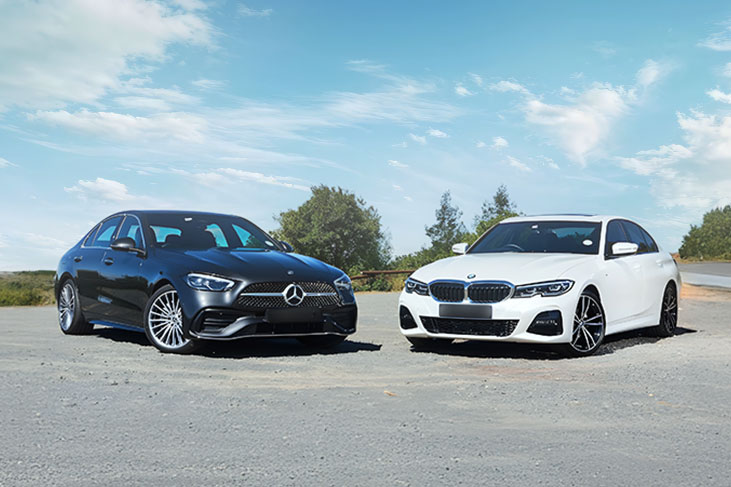
To comprehend the BMW vs. Mercedes-Benz dynamic, one must first appreciate the historical DNA that shapes their current market positions. Both brands trace their lineage to the pioneering days of German automobile engineering, but they charted divergent paths toward their respective modern identities.
The Philosophy of the “Ultimate Driving Machine”
BMW, headquartered in Munich, has historically championed the ethos of performance and dynamism. The company’s long-standing marketing slogan, “The Ultimate Driving Machine,” is not merely a catchy phrase; it is a foundational tenet that permeates every aspect of its engineering and design philosophy.
From an industry perspective, BMW has consistently targeted a demographic that values engagement, precision, and the visceral thrill of the road. Historically, this audience has been younger, more performance-oriented, and keen on drivers who perceive a luxury performance sedan not just as a mode of transportation, but as a sporting instrument. The brand’s focus on handling characteristics and driver-centric ergonomics has been a cornerstone of its success in this segment.
Key Attributes of the BMW Brand:
Performance Focus: BMW is synonymous with superior handling, responsive steering, and powerful engine output. This legacy is most prominently displayed in its M Performance division, which produces some of the world’s most acclaimed luxury sports sedans and high-performance luxury SUVs.
Advanced Technology: While committed to performance, BMW has never lagged in technological integration. It boasts state-of-the-art driver-assistance systems, intuitive infotainment technology, and advanced connectivity solutions designed to enhance the driver’s command of the vehicle.
Target Audience: The BMW brand appeals to a segment of buyers who prioritize the driving experience. This includes performance-oriented buyers, individuals seeking a sporty luxury car, and those who appreciate the precision engineering of German luxury automotive engineering. The BMW 3 Series, often cited as a benchmark in its class, exemplifies this commitment to the driving enthusiast.
The Benchmark of Elegance and Refinement
In contrast, Mercedes-Benz, based in Stuttgart, has cultivated a reputation built on elegance, luxury, and unwavering comfort. For decades, the three-pointed star has symbolized prestige, sophistication, and a benchmark for premium vehicle quality.
Market analysis indicates that the Mercedes-Benz target audience often values serenity, status, and advanced comfort features. While Mercedes produces powerful vehicles, its core identity is rooted in providing a refined, serene, and luxurious cabin environment. The brand has masterfully blended cutting-edge technology with a sense of timeless design and superior craftsmanship. This approach has allowed Mercedes-Benz to maintain a strong hold on both the traditional luxury sedan market and the burgeoning electric luxury vehicle segment with its EQ line.
Key Attributes of the Mercedes-Benz Brand:
Elegant and Refined Design: Mercedes-Benz vehicles are characterized by their sleek, flowing lines and sophisticated aesthetics. The design language focuses on timeless elegance, projecting a sense of grace and prestige that transcends current automotive trends.
Luxurious Details: The use of high-end materials, ambient interior lighting, and exquisite craftsmanship defines the Mercedes-Benz experience. The cabin is designed as a sanctuary, prioritizing passenger comfort and providing a sophisticated, high-tech environment.
Comfort Focused: Unlike brands that prioritize raw performance, Mercedes-Benz excels at providing a smooth, plush, and relaxing driving experience. The ride quality is typically softer, and the suspension systems are tuned to isolate passengers from road imperfections, making it the preferred choice for those seeking long-distance driving comfort or a family luxury car.
Section 2: Aesthetic Distinctions – Form, Function, and Modern Design
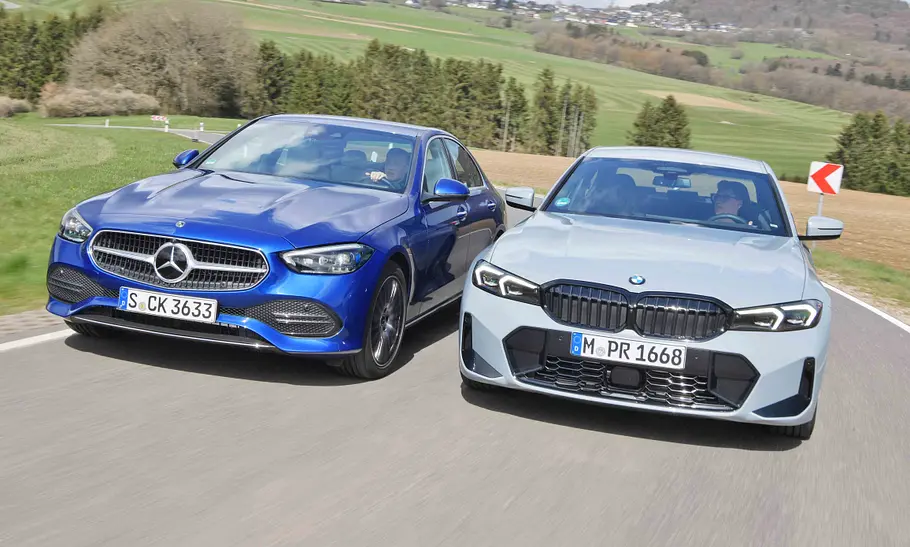
When comparing BMW vs. Mercedes-Benz design, the choice often comes down to a subjective preference for either aggressive sportiness or sophisticated elegance. However, a deeper look reveals that both brands have evolved their aesthetic languages to meet the demands of modern consumers.
BMW’s Assertive and Sporting Stance
The BMW design is characterized by sharp lines, muscular proportions, and a sense of athletic tension. The brand’s signature kidney grille has undergone significant evolution in recent years, growing larger and becoming more integrated into the vehicle’s overall face. This assertive front fascia gives BMW cars a distinctive, powerful presence on the road, signaling their performance capabilities to the outside world.
BMW Design Philosophy in Practice:
Sporty and Bold: The BMW aesthetic is designed to look fast even when standing still. The body lines are sculpted to emphasize aerodynamics and strength, appealing to those who appreciate an athletic and dynamic design.
Standout Features: The BMW kidney grille, angular headlights, and the iconic Hofmeister kink on the rear window define the brand’s visual identity. These features create a strong visual link between the smallest compact luxury sedans and the largest luxury SUVs.
Made for the Driver: Internally, BMW interiors prioritize ergonomics and functionality. The driver-centric cockpit, performance-oriented steering wheels, and digital displays are all designed to put the driver in control and connect them to the driving experience, a key factor when considering best BMW cars for enthusiasts.
Mercedes-Benz’s Emphasis on Elegance and Flow
Mercedes-Benz design is defined by a philosophy of fluid grace and sophisticated understatement. The brand utilizes softer, more flowing lines that give its vehicles a sense of timeless elegance and premium luxury. While the three-pointed star remains the central identifier, the overall silhouette speaks to refinement rather than aggression.
Mercedes-Benz Design Philosophy in Practice:
Elegant and Refined: Mercedes-Benz excels at creating vehicles that look prestigious and expensive. The use of smooth curves, chrome accents, and seamless integration of design elements projects an air of class and sophistication.
Luxurious Details: The three-pointed star is not just a badge; it is a design statement. Coupled with premium leather interiors, ambient lighting, and high-quality finishes, Mercedes-Benz interiors offer a level of luxury that is often benchmarked in the industry.
Comfort Focused: The cabin design is optimized for passenger comfort. The ride quality is engineered to provide a smooth and comfortable experience, making Mercedes-Benz vehicles ideal for long journeys or for those who simply want to relax and enjoy the journey in a luxury vehicle.
Section 3: Performance and Efficiency Metrics – The Drive Behind the Debate
The core of the BMW vs. Mercedes-Benz comparison often revolves around performance and mileage. While both brands produce powerful vehicles, their approaches to engine tuning, suspension geometry, and powertrain optimization differ significantly.
BMW’s Commitment to Driving Dynamics
BMW is globally renowned for delivering engaging driving experiences. The brand’s engineering philosophy is centered on the “Ultimate Driving Machine” concept, which translates to agile handling, responsive acceleration, and a strong connection between the driver and the road.
Performance Analysis: BMW
Precision Engineering: BMW engines are known for their responsiveness and power delivery. Whether it’s the turbocharged inline-six engines or the high-revving M Performance motors, drivers can expect sharp throttle response and exhilarating acceleration.
Aerodynamics and Handling: BMW invests heavily in aerodynamics to improve stability and efficiency at high speeds. The suspension systems are typically tuned for a firmer ride, providing superior handling and control during spirited driving. This is a crucial consideration when comparing the driving experience of BMW cars.
Engine Options: The BMW brand offers a wide range of engine options, from efficient four-cylinders to powerful V8s, catering to diverse performance needs within the luxury automotive segment.
Mercedes