




The Ultimate German Automotive Clash: Decoding the 2025 Showdown Between BMW and Mercedes-Benz
In the fiercely competitive luxury automotive segment, the rivalry between BMW and Mercedes-Benz remains the quintessential narrative—a timeless tug-of-war between the “Ultimate Driving Machine” and the “Best or Nothing.” As we navigate the complex landscape of 2025, this historic dynamic continues to evolve, showcasing a fascinating convergence of technology, performance, and sustainability. From the unmistakable silhouettes of the 3 Series and C-Class to the opulent grandeur of the 7 Series and S-Class, understanding which German giant reigns supreme requires a deep dive into their core philosophies, design ethos, and market positioning.
Understanding the Brand DNA: The Legacy of BMW versus the Legacy of Mercedes
For decades, BMW has cultivated a reputation as the driver’s choice. The German manufacturer’s identity is deeply rooted in performance engineering, delivering a visceral connection between the vehicle, the driver, and the road. BMW’s historical commitment to dynamic handling and precise engineering has resonated with a specific demographic: discerning enthusiasts who value acceleration, agility, and a sporty driving experience above all else.
In contrast, Mercedes-Benz, traditionally positioned as the benchmark for luxury cars, has perfected the art of refinement and comfort. The three-pointed star is synonymous with sophistication, elegance, and an unwavering focus on passenger experience. While Mercedes-Benz has significantly bolstered its performance credentials in recent years with the AMG division, its core identity remains anchored in providing a serene, plush, and opulent sanctuary on wheels.
This fundamental divergence in brand DNA shapes every product decision, marketing campaign, and technological advancement these manufacturers undertake. When prospective buyers evaluate the differences between BMW and Mercedes-Benz, they are essentially choosing between two distinct philosophies: the adrenaline rush of a rear-wheel-drive-biased setup or the supreme comfort of a luxury liner.
BMW: The Performance Vanguard
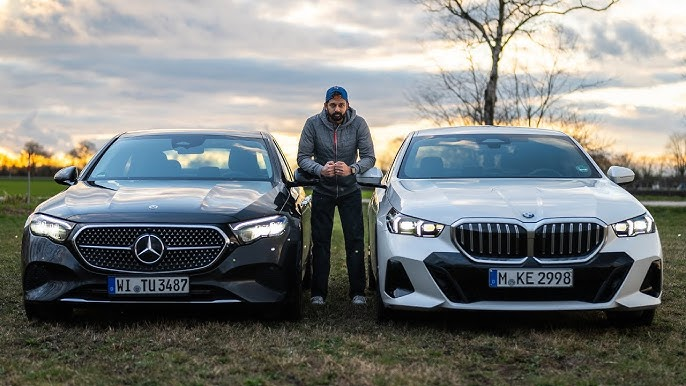
BMW’s unwavering commitment to sportiness is evident in its signature kidney grille, sculpted lines, and athletic stance. The brand’s engineering philosophy prioritizes weight distribution, steering feedback, and responsive powertrains. This approach has resulted in a portfolio of vehicles that feel agile, eager, and exhilarating to drive.
Mercedes-Benz: The Epitome of Elegance
Mercedes-Benz cars are defined by a classic, timeless aesthetic. The flowing body lines, premium materials, and sophisticated interior lighting create an atmosphere of effortless luxury. Comfort is not merely a feature but the central tenet of Mercedes-Benz design, ensuring that every journey, whether short or long, is a serene experience.
Which Model Dominates the Design Hierarchy?
The aesthetic battle between BMW and Mercedes-Benz is largely subjective, as both brands have masterfully executed distinct design languages. However, a noticeable shift in trends in the mid-2020s has challenged traditional perceptions.
BMW has embraced a bold and polarizing design strategy, particularly evident in its recent models like the i7 and 7 Series. Characterized by sharp angles, assertive lines, and the prominently featured kidney grille, BMW cars project an air of confidence and aggressiveness. This bold approach appeals to younger buyers and those who seek to stand out from the crowd.
Mercedes-Benz, meanwhile, has refined its design language to embody the “Sensual Purity” philosophy. This design language utilizes softer curves, clean surfaces, and a more streamlined silhouette. The result is a vehicle that looks sophisticated, timeless, and decidedly upscale. The use of premium materials, such as high-quality leather and ambient lighting, further enhances the sense of exclusivity.
The decision between these two design aesthetics ultimately rests on personal preference. BMWs are often seen as more youthful and sporty, while Mercedes-Benz vehicles exude maturity, class, and refinement. When comparing BMW vs. Mercedes-Benz designs, the defining factor is the driver’s personality and their preferred aesthetic.
BMW Design Philosophy: The Sports Car Heritage
BMW’s design ethos remains consistent with its sporting heritage. The iconic kidney grille, long bonnet, and athletic silhouette are instantly recognizable. Even in the age of electric vehicles, BMW’s design prioritizes performance-oriented aesthetics, creating a sense of power and aggression.
Mercedes-Benz Design Philosophy: Refined Elegance
Mercedes-Benz has perfected the art of sophisticated luxury. The “Sensual Purity” philosophy emphasizes clean lines, flowing surfaces, and a timeless elegance. This approach appeals to buyers who appreciate understated luxury and a timeless aesthetic.
A Comprehensive Performance and Mileage Comparison
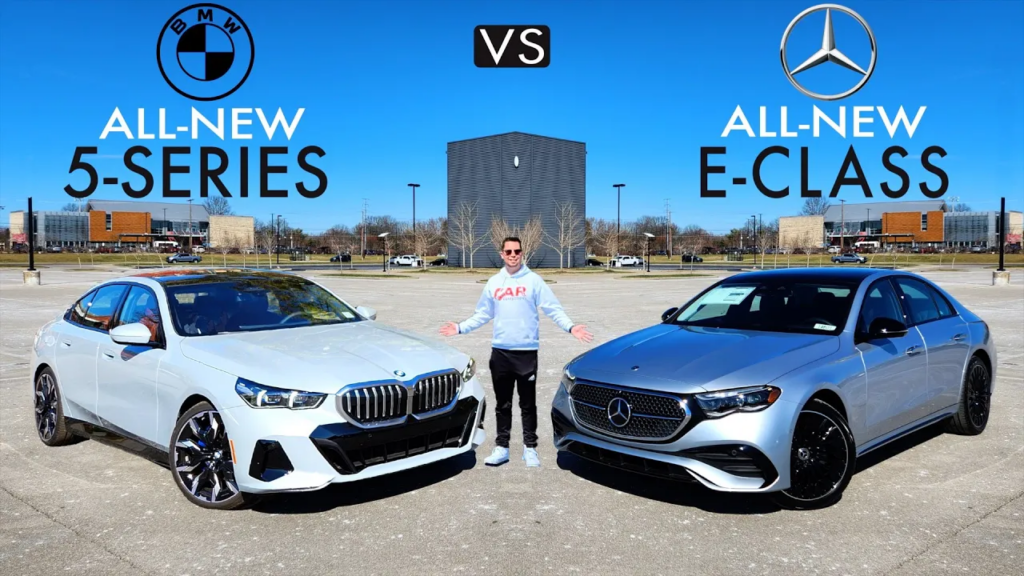
The performance and mileage metrics are often the deciding factors for buyers when comparing the best luxury cars available in the market today. BMW has historically dominated this segment with its focus on power and handling, but Mercedes-Benz has significantly closed the gap in recent years.
Performance:
BMW’s identity as the “Ultimate Driving Machine” is evident in its engine tuning and suspension setups. The brand prioritizes direct steering, responsive handling, and exhilarating acceleration. From the BMW 3 Series price to the BMW 7 Series price, drivers can expect a connected and dynamic driving experience.
Mercedes-Benz, while not traditionally known for outright performance, has made significant strides with its AMG division. These models deliver breathtaking acceleration and world-class handling. However, the Mercedes-Benz C-Class price often reflects a focus on comfort and smoothness rather than track-focused performance.
Mileage:
Fuel efficiency is a critical consideration for many buyers, and both brands offer a range of powertrains to suit different needs. However, high-performance models naturally consume more fuel.
BMW offers efficient diesel options and plug-in hybrid variants that provide impressive mileage figures.
Mercedes-Benz also offers efficient diesel and hybrid options, making it a competitive choice for those seeking fuel economy alongside luxury.
Engine Comparisons
When comparing the engine options, the BMW 3 Series price is often dictated by the choice between powerful petrol and efficient diesel engines. Similarly, the Mercedes-Benz C-Class price varies depending on the engine configuration, with diesel variants generally offering better mileage.
BMW M Division: The legendary M models from BMW are benchmarks for high-performance engineering, offering razor-sharp handling and explosive acceleration.
Mercedes-AMG: The AMG division produces rivals to the M cars, known for their muscular V8 engines and refined luxury performance.
Fuel Efficiency Debates
The fuel consumption of these vehicles is largely dependent on the specific model and driving conditions. Buyers often compare the BMW 5 Series price with the Mercedes-Benz E-Class price to understand which offers better long-term efficiency. While both brands offer efficient options, the BMW 3 Series is renowned for its impressive mileage for a performance-oriented sedan.
Pricing and Feature Showdown: What Does Your Money Buy?
When it comes to luxury car prices, both BMW and Mercedes-Benz position themselves in the premium segment, but their pricing structures vary depending on the model and trim level.
Price:
BMW generally offers a wider range of models and trim levels, providing more flexibility for buyers. The BMW 3 Series price typically starts at a more accessible point compared to its Mercedes-Benz equivalent. However, Mercedes-Benz often commands a premium price for its base models, reflecting its heritage of luxury and refinement. The BMW 7 Series price is competitive with the Mercedes-Benz S-Class price, but the latter often includes more standard luxury features.
Features:
BMW focuses on delivering a performance-oriented driving experience with features like aggressive styling, sporty handling, and dynamic driving dynamics. The M-Series models feature signature design elements and performance enhancements.
Mercedes-Benz prioritizes advanced technology, comfort, and luxury. Premium leather interiors, massage seats, and ambient lighting are hallmarks of the brand. The MBUX infotainment system in Mercedes-Benz is recognized for its sophisticated features and user-friendly interface.
Pricing Segmentation
The pricing strategies of these brands often reflect their target audiences.
BMW: With a broader range of models, BMW appeals to a wider demographic, from entry-level luxury buyers to performance enthusiasts.
Mercedes-Benz: The brand typically targets a more affluent demographic, offering higher starting prices but a higher level of standard equipment.
Feature Comparison
When comparing BMW vs. Mercedes-Benz features, both manufacturers offer a comprehensive suite of technological advancements, but their focus differs.
BMW: Prioritizes driver engagement through features like responsive steering, powerful engines, and sporty handling.
Mercedes-Benz: Focuses on comfort and luxury with features such as premium leather, ambient lighting, and advanced infotainment systems.
The 2025 Market Dynamics: Electric Revolutions and Sustainability
The automotive landscape in 2025 is dominated by the shift towards electric vehicles (EVs) and sustainability. Both BMW and Mercedes-Benz have made significant investments in their electric portfolios, but their approaches differ.
BMW: The BMW electric cars lineup includes the i4, i7, and iX, all of which offer impressive range and performance. BMW’s electric philosophy remains focused on delivering a sporty driving experience, even in its electric offerings. The BMW electric cars price is competitive with its internal combustion engine models, making it an accessible entry into the world of EVs.
Mercedes-Benz: Mercedes-Benz has a comprehensive electric lineup with the EQE, EQS, and EQB. These vehicles prioritize luxury and comfort, offering a serene electric driving experience. The Mercedes-Benz electric cars price is in line with its gasoline models, reflecting the brand’s commitment to electrification.
The Verdict: Choosing the Right Luxury Car
Deciding between BMW and Mercedes-Benz