




The automotive landscape in the United States is defined by the enduring rivalry between two titans of German engineering: BMW and Mercedes-Benz. For decades, these brands have captivated discerning drivers with their promise of performance, luxury, and innovation. As a veteran of the premium automotive market, I have witnessed firsthand the evolution of these marques and the specific characteristics that define them. This in-depth analysis compares BMW vs Mercedes-Benz, dissecting their philosophies, design languages, performance benchmarks, and technological approaches to help potential buyers navigate the complexities of luxury vehicle selection in the US.
Understanding the Brands
Before diving into the specifics of BMW vs Mercedes-Benz, it is crucial to understand the core ethos of each brand. This foundational knowledge provides context for their design choices, engineering priorities, and target demographics.
BMW: The Driving Machine Philosophy
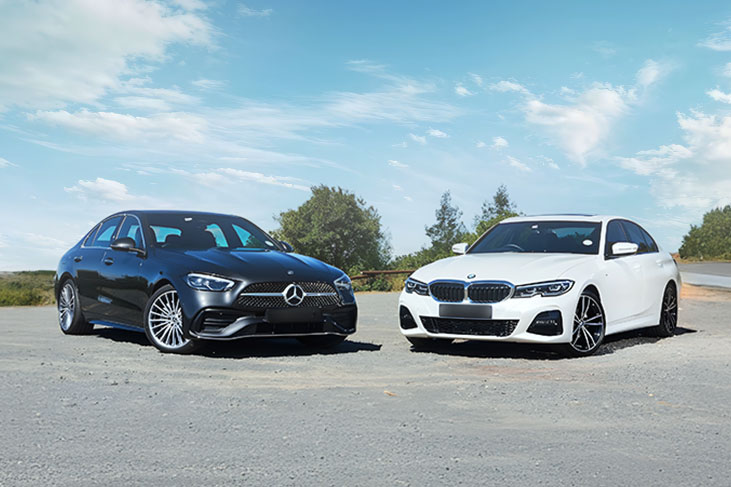
BMW, acronym for Bayerische Motoren Werke AG, has long positioned itself as “The Ultimate Driving Machine.” This slogan is more than just marketing; it represents a commitment to driver engagement and performance dynamics.
Performance Focus: BMW prioritizes responsive handling and precision engineering. From the agile M-Series sport sedans to the composed 7 Series luxury sedans, every vehicle is engineered to feel connected to the road. The typical BMW driving experience is characterized by sharp steering, controlled body roll, and potent acceleration, making even daily commutes feel more exhilarating.
Technology Integration: In the age of digital connectivity, BMW electric cars and gasoline models alike feature sophisticated infotainment systems, advanced driver assistance features, and cutting-edge connectivity. The iDrive system is renowned for its intuitive interface, while innovations like the BMW Digital Key represent the forefront of automotive technology. The brand consistently invests in luxury car technology, ensuring that its vehicles remain at the technological vanguard.
Target Audience: Historically, BMW targets performance enthusiasts, drivers who appreciate the subtle nuances of handling, and those who seek a sportier driving experience. The brand resonates with a dynamic demographic, often younger professionals or driving aficionados who view their vehicle as an extension of their lifestyle.
Mercedes-Benz: The Epitome of Elegance and Comfort
In contrast, Mercedes-Benz is often perceived as the epitome of luxury and refined comfort. Founded by Carl Benz and Gottlieb Daimler, the brand has built a legacy synonymous with elegance, craftsmanship, and technological innovation that prioritizes the passenger experience.
Classy and Smooth: Mercedes vehicles are defined by their elegant and refined design language. Soft lines, flowing bodies, and a sense of timeless sophistication set them apart. The three-pointed star badge, coupled with high-end materials and ambient lighting, creates an unmistakable aura of luxury.
Comfort-Centric Approach: The interior of a Mercedes-Benz is designed to be a haven of comfort. Advanced suspension systems absorb road imperfections, creating a smooth ride quality that enhances passenger well-being. The seats are often designed with ergonomics and support in mind, making them ideal for long-distance travel or daily commuting in urban environments. This focus on luxury comfort is a cornerstone of the Mercedes-Benz brand identity.
Design and Aesthetics: Which One Looks Better?
The question of “BMW vs Mercedes design” is highly subjective and often boils down to personal preference. Both brands employ distinct design philosophies that appeal to different aesthetics.
BMW’s Sporty and Bold Stance
Sporty and Aggressive: BMWs generally possess a sharper and more athletic look. Strong lines, defined musculature, and a powerful front fascia create a dynamic and aggressive visual presence. The iconic kidney grille, a signature feature, has evolved over the years but remains a central element of the design, projecting strength and confidence.
Signature Elements: The long hood, rear-wheel-drive proportions, and aerodynamic contours are hallmark features of BMW sports cars and sedans. Inside, the driver-focused cockpit architecture ensures that controls and instruments are ergonomically placed, enhancing the feeling of connection to the road.
Mercedes-Benz’s Timeless Elegance
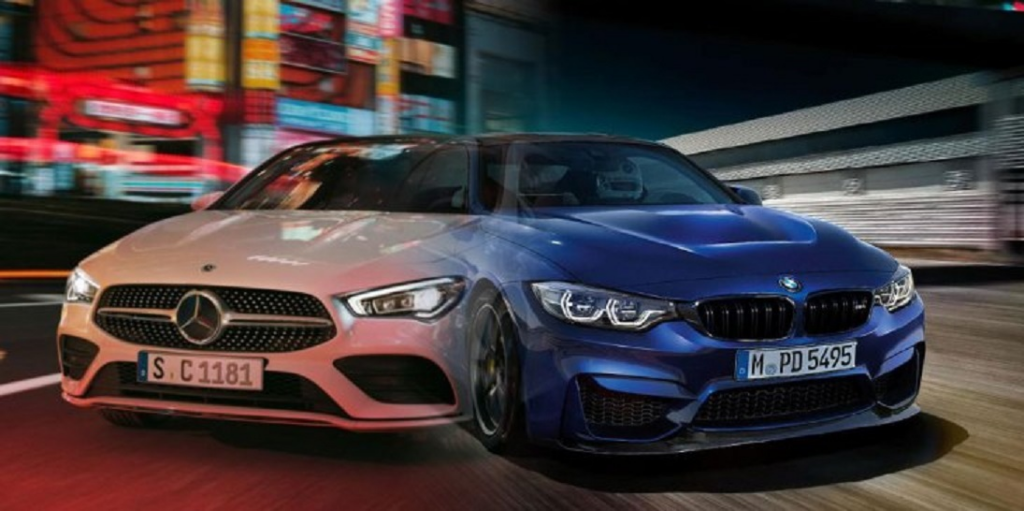
Elegant and Refined: Mercedes-Benz vehicles are known for their sophisticated and timeless designs. The use of softer lines and flowing bodywork exudes an air of maturity and elegance. The three-pointed star badge is a symbol of quality and prestige, instantly recognizable and revered worldwide.
Luxurious Details: Premium materials, meticulous craftsmanship, and ambient lighting contribute to the luxurious cabin environment. The design prioritizes a sense of calm and sophistication, making the interior feel like a sanctuary from the outside world. This emphasis on luxury design makes Mercedes vehicles highly desirable among buyers seeking refined aesthetics.
Performance and Efficiency: A Comparative Analysis
When comparing BMW vs Mercedes performance, the differences are often subtle but significant. While both brands produce high-performance vehicles, their engineering priorities differ.
Performance Benchmarks
BMW’s Engineering: BMW is celebrated for its ultimate driving machine philosophy. The brand excels in handling, precision, and responsiveness. The M-Series line, in particular, delivers track-focused performance with potent engines and advanced suspension tuning. Drivers often cite the BMW acceleration as particularly thrilling, thanks to the brand’s focus on lightweight materials and powerful engines. For those seeking a car that feels agile and responsive, buying a BMW is often the preferred choice.
Mercedes-Benz’s Power: While Mercedes-Benz also offers performance models through its AMG division, the brand’s primary focus is often on a smoother and more refined drive. The Mercedes driving experience is characterized by a balance of power and comfort, with a strong emphasis on stability and ride quality. Many buyers are interested in Mercedes-AMG for sale, as these models offer a blend of high-performance engineering and luxury comfort that is difficult to match.
Fuel Efficiency and Mileage
In the modern era, fuel efficiency is a critical consideration for premium car buyers. Both BMW and Mercedes offer a range of models with varying levels of fuel consumption, depending on engine size and drivetrain configuration.
BMW Efficiency: BMW electric cars and hybrid models offer some of the most efficient options on the market. For gasoline models, the BMW 3 Series offers impressive fuel economy for its class, while performance-oriented models like the M-Series will naturally have higher fuel consumption. BMW fuel efficiency varies significantly across the model range, with more economical options available for daily commuting.
Mercedes-Benz Efficiency: Mercedes-Benz also provides a range of fuel-efficient options. The C-Class, particularly in its diesel variants, delivers respectable mileage, making it a comfortable and cost-effective option for longer drives. The brand’s commitment to luxury car fuel economy is evident in its efforts to integrate efficient powertrains across its lineup. When comparing BMW vs Mercedes mileage, the specific model and engine choice will ultimately determine the final figures.
Price and Feature Comparison
Understanding the cost of owning a luxury car is essential for potential buyers. While both BMW and Mercedes-Benz occupy the premium segment, there are differences in their pricing strategies and feature offerings.
Pricing and Value Proposition
BMW Pricing: BMW offers a broader range of models and trim levels, which provides more price flexibility. The price of a BMW can vary significantly depending on the model chosen, from the more accessible 3 Series to the top-tier 7 Series. BMW leasing options in the US are popular among drivers seeking to upgrade their vehicles regularly, while buyers looking for used models can find good value in previous-generation vehicles.
Mercedes-Benz Pricing: The starting price for comparable Mercedes-Benz models is often slightly higher than their BMW counterparts. The price of a Mercedes reflects the brand’s premium positioning and focus on luxury. Buyers interested in top-tier models like the S-Class or AMG-tuned vehicles should be prepared for a higher investment.
Feature Innovation
When comparing BMW vs Mercedes features, both brands excel in offering advanced technology and luxurious amenities.
BMW Features: BMW is known for its driver-centric features, including powerful engines, responsive handling, and performance-oriented driving modes. The signature double kidney grille and angular design are iconic design elements, while the M-Series showcases the pinnacle of BMW performance engineering.
Mercedes-Benz Features: Mercedes-Benz focuses on advanced technology, comfort, and luxury. Premium leather interiors, massage seats, ambient lighting, and Mercedes ride quality are hallmarks of the brand. The brand also offers state-of-the-art infotainment systems and driver assistance features, making the driving experience both safe and comfortable.
Technology and Innovation in the Luxury Segment
Both BMW and Mercedes-Benz are leaders in automotive technology and innovation. While their approaches differ, both brands prioritize driver experience and connectivity.
Infotainment Systems
The modern driver relies on seamless integration of technology, and both brands deliver robust solutions.
BMW iDrive: BMW’s iDrive system is widely praised for its intuitive interface and ease of use. The system provides access to navigation, entertainment, vehicle settings, and connectivity features. BMW tech features are designed to enhance the driving experience while keeping the driver connected and informed.
Mercedes-Benz MBUX: Mercedes-Benz’s MBUX system (Mercedes-Benz User Experience) is known for its natural language voice control, augmented reality navigation, and personalized driver profiles. The system offers a seamless and immersive user experience, making it one of the most advanced in the industry. Mercedes MBUX features set the standard for luxury car infotainment, offering a blend of cutting-edge technology and intuitive operation.
Driver Assistance and Safety
BMW Safety: Buying a BMW means accessing some of the most advanced safety features available in the market. The brand offers adaptive cruise control, lane-keeping assist, and automatic emergency braking, ensuring a high level of driver protection. BMW safety features are integrated