




The German automobile titans of BMW and Mercedes-Benz continue to dominate the global landscape, representing pinnacle engineering and luxury motoring. For nearly a century, these marques have epitomized German automotive excellence, each cultivating a distinct identity that caters to different interpretations of performance, status, and driving pleasure. As both brands push the boundaries of electrification and digital integration, the choice between a BMW and a Mercedes-Benz often comes down to a deeply personal reflection of one’s automotive priorities.
This comprehensive comparison dissects the core philosophies, technological advancements, and market positioning that define the modern BMW vs. Mercedes-Benz rivalry. We explore the granular details that separate the “Ultimate Driving Machine” from the “Best or Nothing,” analyzing brand heritage, design language, performance metrics, and the evolving landscape of luxury technology.
Brand Heritage and Reputation: A Legacy of Engineering Prowess
At the heart of the BMW vs. Mercedes-Benz debate lies their shared heritage as pioneers of the automobile. Both companies boast a history steeped in innovation, engineering excellence, and a relentless pursuit of driving perfection. Understanding the nuances of their reputations is crucial for any luxury car buyer in 2025.
BMW: The Driving Machine
For decades, BMW has been synonymous with precision engineering and dynamic performance. The Bavarian automaker’s mantra, “The Ultimate Driving Machine,” is more than just marketing; it reflects a commitment to creating vehicles that offer an engaging, tactile connection between the driver, the car, and the road.
BMW’s reputation is built on:
Performance Focus: BMW cars are celebrated for their dynamic handling, responsive steering, and potent engine performance. The brand is a leader in sports sedan engineering, offering a driving experience that prioritizes agility and driver engagement over pure comfort.
Technological Innovation: BMW consistently pushes the envelope in automotive technology, particularly in driver assistance systems, infotainment (iDrive), and connected car features. Their integration of digital interfaces and advanced driver aids is at the forefront of the industry.
Aerodynamic Design: The iconic BMW kidney grille, along with sharp lines and an athletic stance, gives the brand a distinctive, sporty, and aggressive aesthetic. These design elements are intrinsically linked to performance and speed.
Target Audience: BMW typically appeals to drivers who value driving dynamics, performance-oriented engineering, and a sporty aesthetic. Younger buyers, performance enthusiasts, and those seeking a more involved driving experience are often drawn to the BMW brand.
BMW’s brand reputation is one of aspiration, sportiness, and technological leadership. They continue to set benchmarks in luxury car performance, often outperforming competitors in metrics like 0-60 mph times and handling capabilities.
Mercedes-Benz: The Standard of Luxury
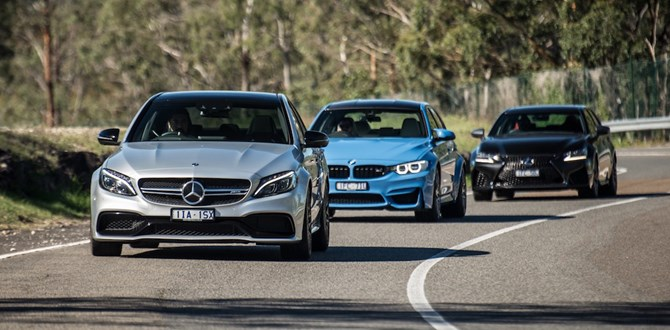
Mercedes-Benz, on the other hand, is revered for its timeless elegance, unparalleled luxury, and sophisticated engineering. The three-pointed star has become a global symbol of automotive excellence, representing a commitment to providing a smooth, comfortable, and high-status driving experience.
Mercedes-Benz’s reputation is defined by:
Elegant and Classy Design: Mercedes-Benz cars are known for their refined and timeless aesthetic. Featuring soft lines, flowing bodies, and a sophisticated silhouette, they exude an aura of class and prestige. The three-pointed star badge is the ultimate symbol of luxury and status.
Premium Materials and Refinements: The Mercedes interior is synonymous with luxury. Utilizing high-end materials, plush upholstery, and innovative ambient lighting, Mercedes creates an environment of comfort and sophistication. The ambient lighting is particularly famous for its customizable options and premium feel.
Comfort-First Approach: Mercedes-Benz prioritizes passenger comfort above all else. Their suspension systems are tuned to provide a smooth ride, making long journeys relaxing and effortless. The interior design focuses on creating a luxurious and comfortable sanctuary for occupants.
Engineering Heritage: Mercedes-Benz has a rich history of engineering breakthroughs, including pioneering safety features, advanced powertrain technology, and groundbreaking electric vehicles. Their engineering excellence is a cornerstone of the brand’s reputation.
Mercedes-Benz’s brand reputation is built on a legacy of luxury automotive manufacturing. They continue to set benchmarks in luxury car features and passenger comfort, making them the top choice for those seeking a premium driving experience.
Design and Aesthetics: A Visual Showdown
When comparing BMW vs. Mercedes-Benz, design is often the first point of divergence. Both brands have iconic styling languages that reflect their core philosophies. Understanding these stylistic differences is crucial for potential buyers looking to make a statement with their next luxury car.
BMW: Sporty, Aggressive, and Aerodynamic
BMW’s design philosophy centers on creating a sporty and bold appearance. The brand’s signature elements combine to deliver an aggressive, dynamic, and performance-oriented look.
The Kidney Grille: The BMW kidney grille is arguably the most recognizable front-end design element in the automotive world. In recent years, BMW has experimented with larger and more prominent grille designs, reflecting their push towards a more muscular and imposing stance.
Sharper Lines and Angular Design: BMW cars feature strong lines, sharp creases, and angular bodywork. This design language conveys a sense of power, speed, and aerodynamic efficiency. Angular design is particularly pronounced in the M-Series models, which are built for performance.
Sporty Proportions: BMW’s long hood, short front overhang, and muscular shoulders give their cars a dynamic and athletic silhouette. This profile emphasizes performance and handling, creating a visual impression of agility and power.
BMW’s brand reputation for sporty and bold design makes them a top choice for buyers who appreciate aggressive aesthetics and a commanding road presence. The M-Series embodies the pinnacle of this design philosophy, combining race-bred performance with street-ready styling.
Mercedes-Benz: Elegance, Refinement, and Timeless Sophistication
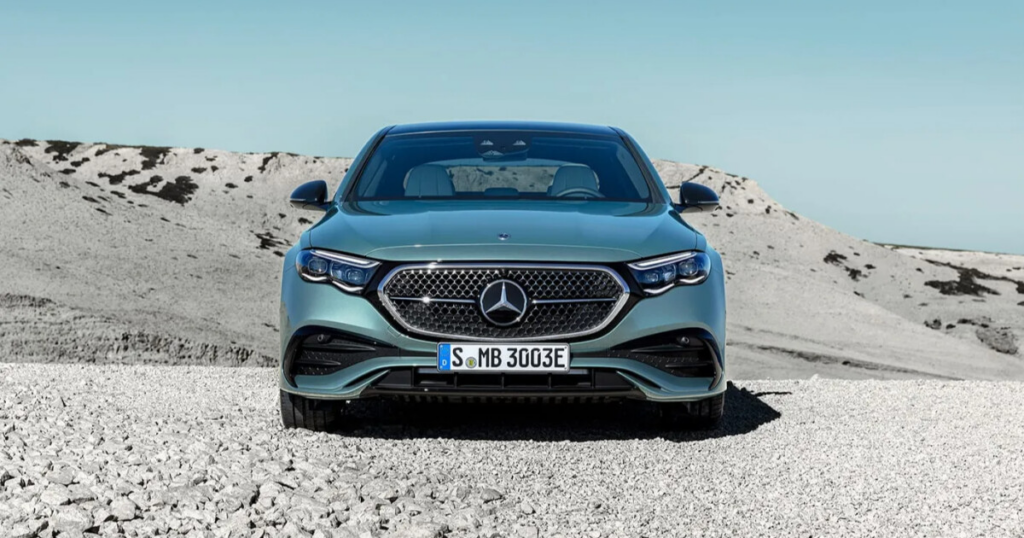
Mercedes-Benz’s design language is characterized by elegance, refinement, and timeless sophistication. The brand focuses on creating a sense of grace and luxury through smooth curves and premium finishes.
Soft Lines and Fluid Shapes: Mercedes-Benz vehicles feature flowing lines and smooth curves, creating an elegant and graceful silhouette. Unlike BMW’s sharp angles, Mercedes utilizes softer curves to emphasize comfort and sophistication.
Luxury Details and Premium Materials: The Mercedes interior is a hallmark of premium luxury. Three-pointed stars, high-quality leather, and innovative ambient lighting contribute to a refined and upscale cabin experience. Ambient lighting is particularly famous for its customizable options and premium feel.
Sophisticated Profile: Mercedes-Benz cars have a commanding and elegant profile. The timeless design ensures the cars remain stylish and appealing over time, maintaining their luxury status. The three-pointed star badge is the ultimate symbol of luxury and status.
Mercedes-Benz’s brand reputation for elegant and refined design makes them a top choice for buyers seeking a sophisticated and luxurious aesthetic. Their luxury car design is a benchmark for the industry, consistently impressing with its attention to detail and premium finish.
Performance and Mileage Comparison: Power Meets Efficiency
When comparing BMW vs. Mercedes-Benz, performance and mileage are critical factors for discerning buyers. Both brands offer a range of powertrains that cater to different driving styles, but their core philosophies shine through in their engineering.
Performance: The Ultimate Driving Machine vs. Smooth Luxury
BMW has built its reputation on dynamic performance and driver engagement, while Mercedes-Benz offers a more refined and smooth driving experience.
BMW Performance:
Handling and Responsiveness: BMW cars are known for their precise handling and responsive steering. The brand prioritizes creating a connection between the driver and the road, offering an engaging driving experience.
Powerful Engines: BMW is famous for its potent engines, particularly the M-Series, which offers high-performance capabilities. The brand offers a range of sports sedans and performance vehicles designed for speed and agility.
Aerodynamic Efficiency: BMW’s sporty and aerodynamic design contributes to their strong performance, allowing for better handling and speed. Angular design and strong lines create a sense of power and efficiency.
Mercedes-Benz Performance:
Smooth and Refined Ride: Mercedes-Benz cars prioritize a smooth and comfortable ride. Their suspension systems are tuned to absorb bumps and road imperfections, offering a relaxed and effortless driving experience.
Luxury and Technology: Mercedes offers performance models but focuses more on sophistication, comfort, and technology. The brand provides a luxury driving experience that blends performance with refinement.
Engineering Prowess: Mercedes-Benz has a strong heritage in engineering innovation, offering advanced powertrain technology, electric vehicles, and cutting-edge driver assistance systems. Engineering excellence is a cornerstone of the brand’s reputation.
Mileage and Fuel Efficiency: Balancing Power with Economy
Mileage and fuel efficiency are important considerations for luxury car buyers in 2025. Both brands offer a range of engines that cater to different needs, but fuel consumption varies by model and driving conditions.