




Understanding the Driving Experience: Is BMW More Sporty or Is Mercedes-Benz More Comfortable?
For decades, BMW and Mercedes-Benz have been the benchmark for European automotive engineering, each brand cultivating a distinct identity in the premium vehicle segment. While both German giants are synonymous with quality, performance, and luxury, they cater to different driver profiles, often leading discerning buyers to question which brand better aligns with their needs. This comprehensive analysis delves into the nuances of the BMW vs. Mercedes-Benz debate, dissecting the core philosophies, design approaches, performance metrics, and technological innovations that define these iconic marques. By examining key differentiators, we can provide a clear roadmap for potential buyers navigating the premium sedan and sports car markets.
Brand Overview and Reputation in the Automotive Landscape
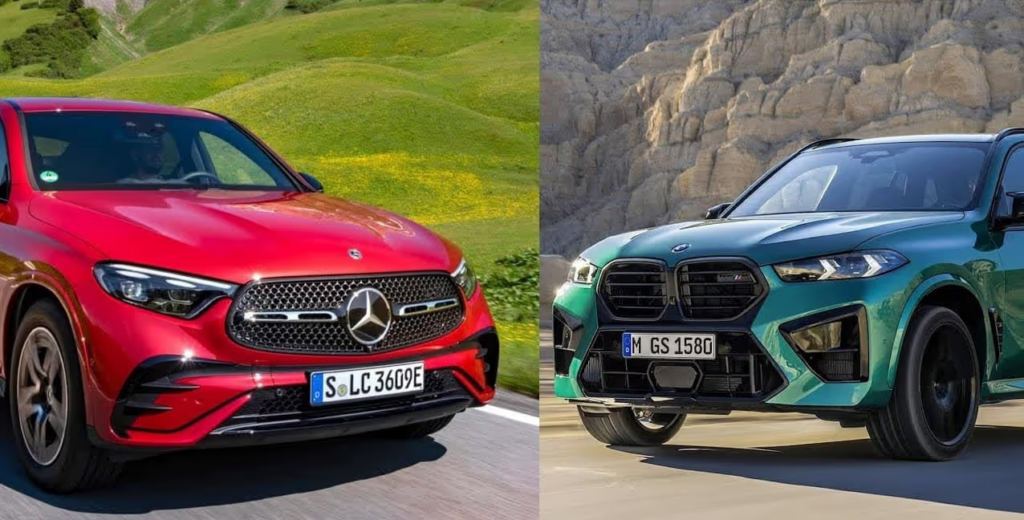
At the heart of the BMW vs. Mercedes-Benz competition lies a deeply entrenched heritage of automotive excellence. BMW, traditionally recognized as “The Ultimate Driving Machine,” has built its reputation on an unwavering commitment to sport-oriented performance, dynamic handling, and driver engagement. For decades, BMW has appealed to a demographic that values precision, responsiveness, and a visceral connection to the road.
Conversely, Mercedes-Benz has long been the embodiment of luxury, sophistication, and effortless comfort. The brand’s signature three-pointed star has become a globally recognized symbol of class, superior ride quality, and cutting-edge technology. Where BMW emphasizes performance and dynamics, Mercedes-Benz prioritizes refinement, opulence, and a serenely comfortable driving experience.
In today’s automotive landscape, both brands face pressure to balance these core identities with the growing demand for electrification, connectivity, and sustainability. BMW’s strategy has involved maintaining its performance pedigree while expanding its electric vehicle (EV) portfolio with the ‘i’ sub-brand, aiming to deliver sustainable mobility without compromising on driving dynamics. Mercedes-Benz, under the EQ sub-brand, has accelerated its transition to electric, focusing on luxurious, technology-forward EVs that maintain its characteristic comfort and refinement.
The competitive dynamic is fierce, particularly in markets like the United States where brand loyalty is strong. BMW consistently ranks high in driver satisfaction surveys, often praised for its handling and sporty character, while Mercedes-Benz excels in customer loyalty and brand prestige. For industry professionals, the BMW vs. Mercedes-Benz comparison often comes down to a fundamental choice: do you prioritize the thrill of the drive or the comfort of the cabin? Understanding this core philosophical difference is the first step in navigating this premium automotive rivalry.
Design Aesthetics and Styling Preferences
The aesthetic differences between BMW and Mercedes-Benz are perhaps the most immediate and subjective aspect of their rivalry. Each brand approaches automotive design with a distinct philosophy, appealing to different visual tastes.
BMW Design Language:
BMW vehicles are characterized by a sharp, angular, and aggressive design language. This aesthetic is defined by muscular body lines, strong shoulders, and a low, wide stance that conveys sportiness and agility. The iconic kidney grille, a signature element that has evolved dramatically over the years, remains a central feature of BMW’s identity. Modern BMWs feature bold front fascias with slim headlights and sharp contours that contribute to an athletic, performance-oriented look.
Inside, BMW prioritizes the driver. The dashboard is driver-centric, with a clean, uncluttered layout that places controls within easy reach. The focus is on ergonomics and intuitive functionality, ensuring that the driver feels connected to the vehicle. Premium materials and high-quality finishes are standard, but the overall cabin design supports an engaging driving experience rather than mere opulence.
Mercedes-Benz Design Philosophy:
In contrast, Mercedes-Benz vehicles embody elegance, luxury, and sophistication. The brand’s design language is defined by smoother, more flowing lines, soft curves, and a polished, refined appearance. The three-pointed star emblem is a powerful symbol of prestige and timeless elegance. Mercedes-Benz models often feature distinctive front-end designs with integrated grille treatments and sculpted headlights that exude class and refinement.
The interior of a Mercedes-Benz is a sanctuary of luxury and comfort. The cabins are characterized by meticulous attention to detail, premium materials like supple leather and fine wood trim, and sophisticated ambient lighting. The layout is designed to maximize passenger comfort, with ergonomically designed seats, often featuring massage functions, and advanced climate control systems. Where BMW’s design feels dynamic and assertive, Mercedes-Benz’s design is refined, elegant, and overtly luxurious.
Performance and Handling Comparison
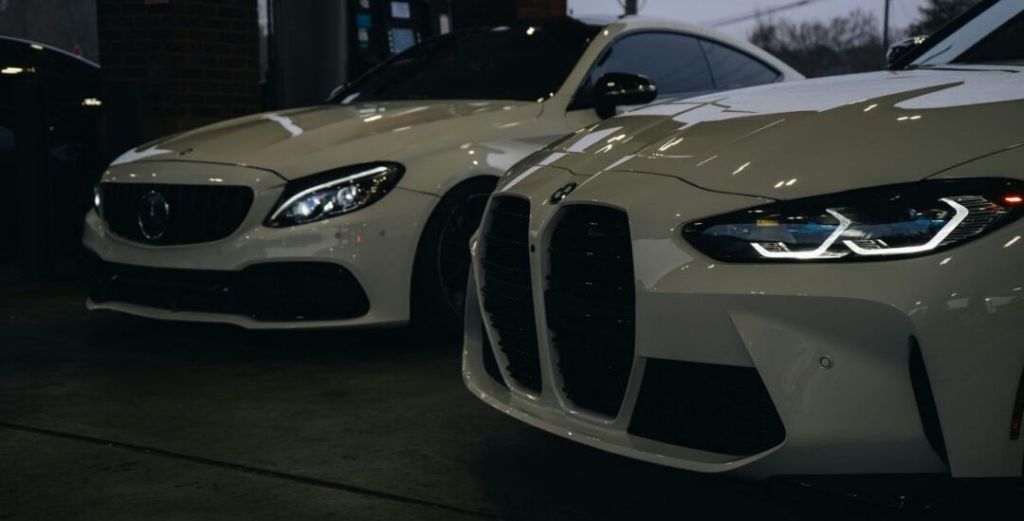
The performance and handling dynamics are where the BMW vs. Mercedes-Benz debate truly comes to life. While both brands offer high-performance variants and exceptional engineering, their fundamental approaches to driving dynamics differ significantly.
BMW Performance Philosophy:
BMW has built its reputation on a commitment to delivering a pure, engaging driving experience. This is achieved through precise steering, balanced chassis tuning, and responsive powertrains. BMW vehicles are known for their agile handling, precise cornering, and a dynamic feel that connects the driver to the road. The “Ultimate Driving Machine” ethos is reflected in the powertrain engineering, which often prioritizes quick acceleration, sharp throttle response, and a visceral auditory experience.
BMW’s performance focus is not limited to speed; it encompasses the entire driving experience. For instance, the BMW 3 Series is widely praised for its handling balance and driver engagement, making it a benchmark for compact sports sedans. The M-Series models take this commitment to the extreme, offering high-performance engines, advanced suspension systems, and track-ready dynamics.
Mercedes-Benz Driving Experience:
Mercedes-Benz, while offering powerful performance models, fundamentally prioritizes comfort, refinement, and smooth delivery of power. The brand is renowned for its superb ride quality, with advanced suspension systems that glide over bumps and minimize road imperfections. The steering is typically lighter and more precise for everyday driving, offering a relaxed and effortless experience behind the wheel.
Mercedes-Benz vehicles are designed to provide a luxurious and stress-free driving environment. This is achieved through advanced noise insulation, comfortable seating, and smooth engine power delivery. While the AMG variants offer exceptional performance, even standard Mercedes-Benz models prioritize refinement and comfort over aggressive sportiness. The Mercedes-Benz E-Class and S-Class are renowned for their plush interiors, quiet cabins, and smooth, effortless cruising capabilities, embodying the brand’s commitment to providing a sophisticated and comfortable driving experience.
Mileage and Fuel Efficiency Considerations
In the premium automotive segment, fuel efficiency is a critical factor for many buyers, particularly as fuel prices fluctuate and environmental awareness increases. The mileage of BMW and Mercedes-Benz vehicles can vary significantly based on the specific model, engine type, and driving conditions.
BMW Fuel Efficiency:
BMW offers a wide range of engines, from efficient four-cylinder options to powerful V8 and V12 units. For those prioritizing fuel economy, BMW offers several efficient configurations. The BMW 3 Series, equipped with a four-cylinder gasoline or diesel engine, provides impressive mileage figures for its class. Additionally, BMW’s plug-in hybrid models (PHEVs) offer the ability to drive on electric power alone, significantly reducing fuel consumption in urban environments.
Mercedes-Benz Fuel Efficiency:
Mercedes-Benz also provides a broad spectrum of engines, including economical four-cylinder options and high-performance AMG engines. The Mercedes-Benz C-Class, especially the diesel variants, offers commendable fuel efficiency. Mercedes-Benz has also made significant investments in electric and hybrid technology, with the EQ sub-brand offering a range of all-electric vehicles that eliminate tailpipe emissions.
Comparison of Fuel Consumption:
When comparing specific models, the differences in fuel efficiency can be noticeable. The BMW 3 Series typically offers a slightly sharper performance figure in terms of acceleration, while the Mercedes-Benz C-Class offers a smoother and more comfortable ride. The choice between the two often depends on whether the driver prioritizes performance or fuel efficiency.
The driving conditions also play a crucial role. For example, highway driving typically yields better fuel efficiency than stop-and-go urban traffic. However, with the rise of plug-in hybrid and electric vehicles from both brands, drivers can achieve significant fuel savings without sacrificing performance or luxury.
Pricing and Feature Comparison
The pricing and feature comparison between BMW and Mercedes-Benz is another critical factor for buyers. While both brands are considered premium, there are often differences in the pricing of comparable models and the range of features offered.
Pricing Structure:
BMW generally offers a wider range of models and trim levels, providing more price flexibility for buyers. The starting price of a BMW 3 Series typically begins at a more accessible point compared to a comparable Mercedes-Benz. However, as you move up the luxury ladder, the price gap between comparable models from both brands begins to narrow. The starting price of a Mercedes-Benz C-Class is typically higher than a BMW 3 Series, but at the top end, models like the Mercedes-Benz S-Class often compete closely with the BMW 7 Series, offering comparable luxury and technology at similar price points.
Feature and Technology Differentiation:
BMW is known for its performance-oriented features, driver-focused technology, and intuitive infotainment systems. The brand is renowned for its sporty handling, powerful engines, and engaging driving experience. BMW’s features like the double kidney grille, angular design, and performance-oriented tuning are signature elements of the brand.
Mercedes-Benz, on the other hand, prioritizes advanced technology, comfort, and luxury. Premium leather interiors, massage seats, ambient lighting, and its renowned ride quality are hallmarks of the brand. Mercedes-Benz often leads the way in integrating cutting-edge infotainment systems and advanced driver-assistance features, setting the benchmark for luxury and technology in the automotive industry.
In-Depth Comparison: Key Models
To understand the subtle differences between BMW and Mercedes-Benz, it is helpful to compare