




BMW vs. Mercedes-Benz: A Definitive 2025 Comparative Analysis
In the realm of luxury automobiles, the rivalry between BMW and Mercedes-Benz stands as one of the most enduring and fascinating in the automotive landscape. For decades, these German titans have been the benchmarks for performance, luxury, and engineering excellence, continuously pushing the boundaries of what is possible in automotive technology and design. As we navigate 2025, the question of BMW vs. Mercedes-Benz remains a frequent point of contention for discerning buyers seeking the ultimate driving experience. Both marques represent the pinnacle of German engineering, yet they appeal to distinctly different segments of the luxury car market.
This comprehensive comparison will delve into the nuances that define the unique character of each brand. We will explore their history, brand philosophies, design aesthetics, performance metrics, technological innovations, and pricing strategies, providing a holistic perspective for anyone considering a luxury vehicle. This analysis is informed by deep industry knowledge, offering clarity on how these two German giants compete in the highly sophisticated luxury automotive market.
Brand Identity and Legacy: A Tale of Two Philosophies
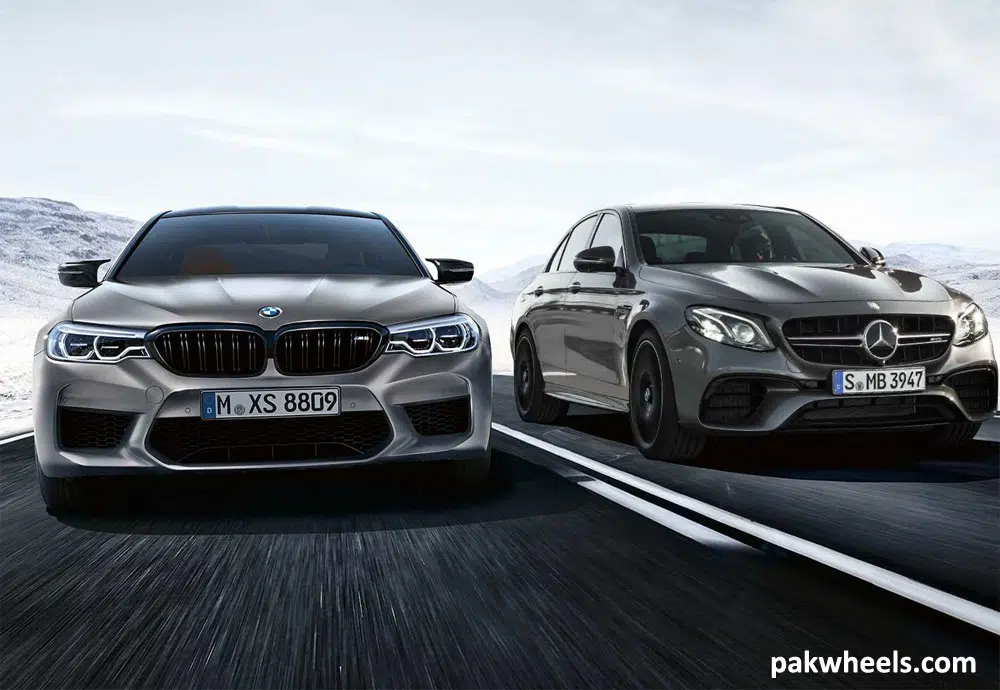
The core distinction between BMW and Mercedes-Benz lies in their brand philosophies, which have been carefully cultivated over decades and continue to shape the identity of their vehicles.
The BMW Ethos: Engineering a Driving Machine
BMW, an acronym for Bayerische Motoren Werke (Bavarian Motor Works), has built its entire brand identity around the concept of the “ultimate driving machine.” This philosophy, established through years of motorsport dominance and engineering innovation, positions BMW as the choice for drivers who prioritize performance, handling, and driver engagement above all else.
Performance at its Core: BMW is renowned for its mastery of engine technology and chassis tuning. Models like the M3 or M5 are engineering marvels, offering race-inspired performance in a road-legal package. The driving dynamics are characterized by a rear-wheel-drive bias (even in xDrive AWD models) and a sport-tuned suspension that provides sharp, responsive handling and excellent road feedback.
Innovation in Dynamics: The brand has consistently invested in technologies that enhance the driving experience. The development of xDrive all-wheel-drive systems, which deliver performance-oriented torque distribution, and sophisticated electronic stability control systems reflect this commitment. The target audience is typically younger, performance-oriented buyers who value agility, acceleration, and the visceral connection between the driver and the road.
Technical Prowess: BMW’s dedication to engineering excellence extends to its technological offerings. While both brands integrate advanced driver-assistance systems and infotainment, BMW often focuses on systems that complement the driving experience, such as advanced telematics and performance-oriented interfaces. The brand’s reputation for building precision instruments has solidified its position as a leader in the luxury sport sedan segment.
The Mercedes-Benz Ethos: Luxury, Elegance, and Prestige
Mercedes-Benz, the venerable marque of the three-pointed star, represents the epitome of automotive luxury, elegance, and technological innovation. With a history stretching back to the very invention of the modern automobile, Mercedes-Benz has consistently set the standard for comfort, refinement, and prestige.
Timeless Elegance: Mercedes vehicles are characterized by a sophisticated design language that emphasizes flowing lines, organic shapes, and a sense of timeless sophistication. The design ethos is more understated and mature, often appealing to buyers who value grace and status over raw performance. The iconic three-pointed star is a symbol of luxury that transcends mere transportation, representing achievement, prestige, and a commitment to quality.
Focus on Comfort: A cornerstone of the Mercedes-Benz philosophy is passenger comfort and refinement. The interiors are designed as sanctuaries from the outside world, featuring plush materials, advanced noise-cancellation technology, and ergonomic seating that redefines luxury. Mercedes-Benz is often the choice for buyers who prioritize a smooth, serene driving experience, whether they are the driver or being driven.
Technological Innovation: While Mercedes-Benz offers a range of performance-oriented models, the brand is also a global leader in automotive technology and safety. Their innovations in driver-assistance systems, infotainment, and ride comfort have consistently set industry benchmarks. The target audience includes established professionals and those who value the prestige of the Mercedes-Benz badge, seeking a vehicle that exudes confidence, refinement, and executive presence.
Design Aesthetics: Sporty Agility vs. Understated Elegance
The visual appeal of BMW and Mercedes-Benz represents a fundamental divergence in design philosophy. While both marques produce stunning vehicles, their approaches to aesthetics cater to different tastes and expressions of personal style.
BMW Design: The Aesthetic of Performance
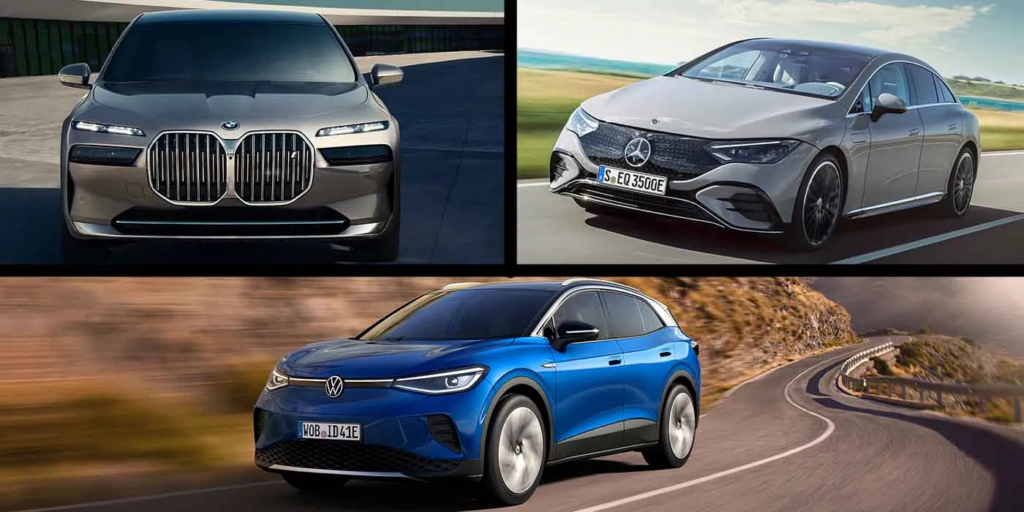
BMW’s design language is defined by athleticism, aggression, and a forward-moving stance. This aesthetic is a deliberate reflection of the brand’s performance-oriented engineering.
Dynamic Proportions: BMW vehicles typically feature a long hood, a flowing roofline, and a short rear deck, creating a dynamic silhouette that suggests power and agility. This proportional balance is a signature element of the BMW brand, lending a sense of purpose and athleticism to their designs.
The Iconic Kidney Grille: The double kidney grille is the most recognizable feature of the BMW brand. Over the years, its size and shape have evolved, becoming more prominent in recent generations. It serves as a bold statement of brand identity, conveying a sense of power and confidence.
Angular and Sculptural Lines: BMW often utilizes sharp, angular lines and sculpted surfaces to define its vehicles. These design elements contribute to a sense of modernity and aggression, particularly on high-performance models like the M-Series. The interplay of light and shadow on these surfaces emphasizes the athleticism of the design.
Interior Driver Focus: Inside the cabin, BMW prioritizes a driver-centric layout. The dashboard is angled toward the driver, providing easy access to controls and a clear view of the road. The cockpit-style environment reinforces the connection between the driver and the machine, making the driving experience more engaging and immersive.
Mercedes-Benz Design: Sophisticated and Refined
Mercedes-Benz embodies a design philosophy characterized by elegance, luxury, and timeless sophistication. Their designs appeal to those who appreciate understated beauty and automotive prestige.
Classic and Timeless Lines: Mercedes-Benz vehicles often feature smooth, flowing lines and rounded forms that create a sense of refinement and grace. The design language is less aggressive than BMW’s, often conveying a sense of maturity and sophistication. This timeless aesthetic ensures that Mercedes-Benz vehicles remain visually appealing for years to come.
The Sophisticated Grille: The three-pointed star is the defining feature of Mercedes-Benz, representing a legacy of luxury and engineering excellence. The grille design is often more refined and elegant than BMW’s, signaling the brand’s commitment to sophistication and premium quality.
Understated and Flowing Shapes: Mercedes-Benz utilizes soft lines and subtle curves to create a harmonious and elegant design. The overall aesthetic is less dramatic than BMW’s, often conveying a sense of calm and luxury. The three-pointed star badge serves as a powerful symbol of prestige, distinguishing the vehicle as a premium luxury product.
Comfort-Oriented Interior: The interior of a Mercedes-Benz is designed as a sanctuary of comfort and luxury. The dashboard is ergonomically designed, but with a greater emphasis on elegance and craftsmanship. High-quality materials, ambient lighting, and advanced infotainment systems create a refined and inviting atmosphere. The passenger experience is equally prioritized, ensuring that every journey is comfortable and stress-free.
Performance and Drivetrain: Driving Experience vs. Refined Comfort
The defining difference between BMW and Mercedes-Benz lies in their driving experience. While both manufacturers produce powerful vehicles, their approaches to powertrain calibration and drivetrain tuning cater to fundamentally different driving priorities.
BMW Performance: Precision, Agility, and Engagement
BMW’s reputation as the “ultimate driving machine” is built on its commitment to performance, handling, and driver engagement. Their vehicles are engineered to deliver a thrilling and responsive driving experience.
Engineering for Agility: BMW’s chassis tuning focuses on precision and responsiveness. Whether equipped with standard rear-wheel drive or xDrive all-wheel drive, BMW vehicles offer sharp handling, excellent road feedback, and a sense of connectedness to the road. The ride is firm enough to provide a sporty feel without sacrificing comfort entirely.
Powerhouse Engines: BMW has a long history of developing powerful and responsive engines. Their inline-six engines are legendary for their smooth power delivery and characteristic engine note. High-performance M-Series models offer track-ready capabilities, delivering brutal acceleration and exhilarating performance.
Mileage and Efficiency: While performance is a priority, BMW has also invested in efficiency technologies. High-performance models may have lower fuel economy than standard luxury sedans, but BMW offers a range of engines and trims, including fuel-efficient diesel and hybrid options, to cater to diverse needs. The BMW 3 Series, for example, is often praised for its balance of performance and mileage.
Mercedes-Benz Performance: Smoothness, Comfort, and Technology
Mercedes-Benz offers a range of performance-oriented models, but their primary focus remains on delivering a smooth, comfortable, and technologically advanced driving experience.
Ride Comfort as a Priority: Mercedes-Benz vehicles are known for their plush, comfortable ride. The suspension is tuned to absorb road imperfections, providing a serene and relaxed driving experience. This focus on comfort distinguishes Mercedes-Benz from sport-focused competitors and appeals to buyers who prioritize a smooth journey.
Smooth and Sophisticated Power: Mercedes-Benz offers a range of powerful engines, but the power delivery is often smoother and more refined than in BMW vehicles. The driving experience is characterized by effortless acceleration and quiet cruising, making long journeys comfortable and stress-free.
Technological Integration: Mercedes-Benz is a global leader in automotive technology and safety. Their vehicles feature advanced driver-