




Navigating Luxury: A Comprehensive Guide to Selecting Between BMW and Mercedes-Benz
The decision between a BMW and a Mercedes-Benz is often the quintessential conundrum for discerning buyers navigating the elite German automotive landscape. For over a century, these two iconic marques have been synonymous with engineering precision, performance prowess, and sophisticated luxury, yet they cater to subtly different interpretations of automotive excellence. As an automotive industry expert with a decade of experience analyzing market dynamics and consumer behavior, I have witnessed firsthand how the subtle nuances of German engineering translate into tangible driving experiences, setting these titans apart.
This comprehensive analysis aims to dissect the intricate differences between BMW and Mercedes-Benz, providing a definitive resource for buyers considering their next premium vehicle purchase. We will explore the evolving brand philosophies, contemporary design language, technological innovations, and long-term value propositions that define each brand in the competitive 2025 market. Whether you prioritize visceral engagement and dynamic handling or unparalleled comfort and technological sophistication, understanding the distinct DNA of BMW versus Mercedes is the first step toward making an informed decision.
Brand Philosophy and Market Positioning
At the heart of the BMW vs. Mercedes debate lies a fundamental divergence in core philosophy. For decades, BMW has cultivated its identity around the slogan “The Ultimate Driving Machine.” This philosophy has instilled a deep-seated commitment to dynamic performance, precise handling, and driver-centric engineering.
The BMW Identity: Performance and Precision
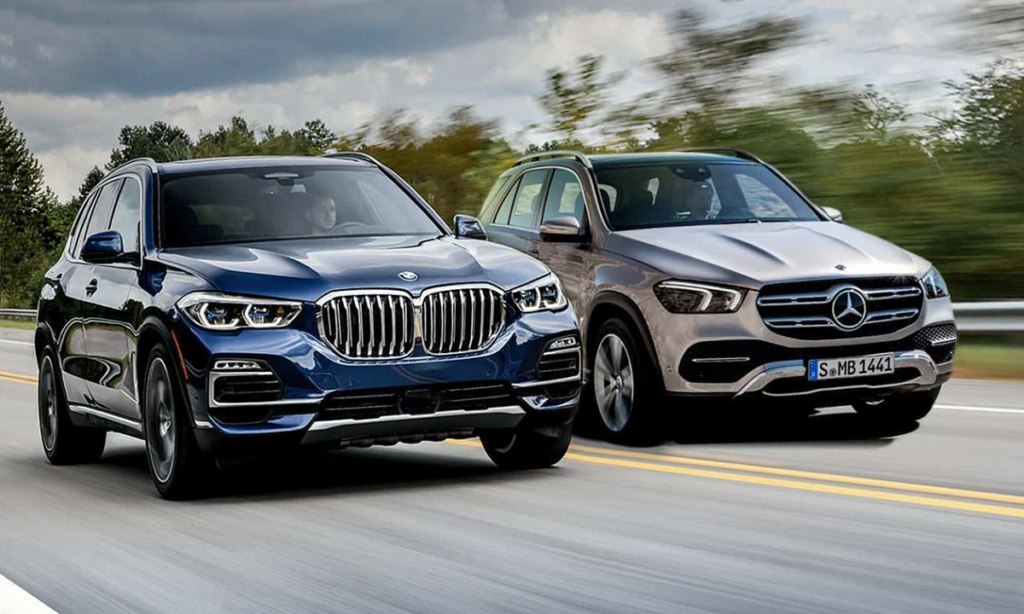
BMW has built its reputation on the unwavering belief that driving is an art form. Its engineers prioritize handling dynamics, engine responsiveness, and chassis feedback, ensuring that the driver remains fundamentally connected to the road. This ethos appeals to a specific demographic: enthusiasts who value the tactile sensation of driving, the precision of a well-executed corner, and the thrill of acceleration.
In the current market, BMW continues to expand its portfolio to cater to these performance-oriented buyers. Its model range spans from the compact 2 Series coupes to the high-performance M-Series vehicles and the luxurious 7 Series sedans. The strategic integration of electrification, exemplified by the BMW iX and i4, further reinforces the brand’s commitment to performance, as these electric models deliver instant torque and exhilarating acceleration without compromising the signature BMW driving feel.
The Mercedes-Benz Identity: Elegance and Sophistication
In contrast, Mercedes-Benz has historically positioned itself as the epitome of automotive refinement and comfort. With its iconic three-pointed star logo, the brand symbolizes a heritage of luxury, innovation, and understated elegance. Mercedes vehicles are designed to pamper passengers, offering a serenely comfortable and technologically advanced driving experience.
For buyers seeking Mercedes luxury cars or MercedesBenz in general, the appeal lies in the serene cabin environment, the advanced ride comfort systems, and the sophisticated integration of technology. This focus on refinement has allowed Mercedes to dominate the ultra-luxury segment, with models like the Mercedes S Class serving as the gold standard for limousine-like comfort and advanced features.
The 2025 Market Landscape: Bridging the Gap
While the distinct philosophies of BMW and Mercedes remain intact, the 2025 automotive landscape has seen these brands converge in certain areas. BMW has injected more comfort and technological sophistication into its modern lineup, while Mercedes has significantly enhanced its performance capabilities. However, the core drivers for each brand—performance for BMW, comfort for Mercedes—continue to define their unique selling propositions.
For potential buyers, this means the choice often comes down to a preference for the type of luxury experience desired. Do you want a car that makes you feel engaged and in control, or one that makes you feel pampered and secure? Understanding this fundamental difference is the first step toward making the right decision between BMW vs. Mercedes 2025.
Design Philosophy: From Sporty Aggression to Refined Elegance
The visual identity of a BMW and Mercedes is a direct reflection of their underlying philosophies. The exterior design of BMW cars is often characterized by an athletic stance, sharp lines, and a visually aggressive demeanor, while Mercedes adopts a more fluid, elegant, and stately presence.
BMW Design Language
BMW vehicles are instantly recognizable by their hallmark features. The signature kidney grille, first introduced in the 1930s, remains a defining element, evolving in recent years to become larger and more prominent in many models. This grille, combined with the sharp lines and aerodynamic proportions, gives BMW cars a sporty and aggressive appearance.
The angular design language, particularly evident in the M-Series performance models, projects an image of speed and precision. The Hofmeister kink on the C-pillar, a design element that has graced BMW vehicles for over half a century, serves as a subtle nod to the brand’s heritage while reinforcing its athletic silhouette.
The interior of BMW cars is designed to be driver-centric. The cockpit is ergonomically optimized, with a clear focus on providing the driver with intuitive access to controls and essential driving information. High-quality materials and modern design ensure that the interior remains premium, while the iDrive infotainment system—a cornerstone of BMW technology—offers seamless integration of connectivity and navigation features.
Mercedes-Benz Design Language
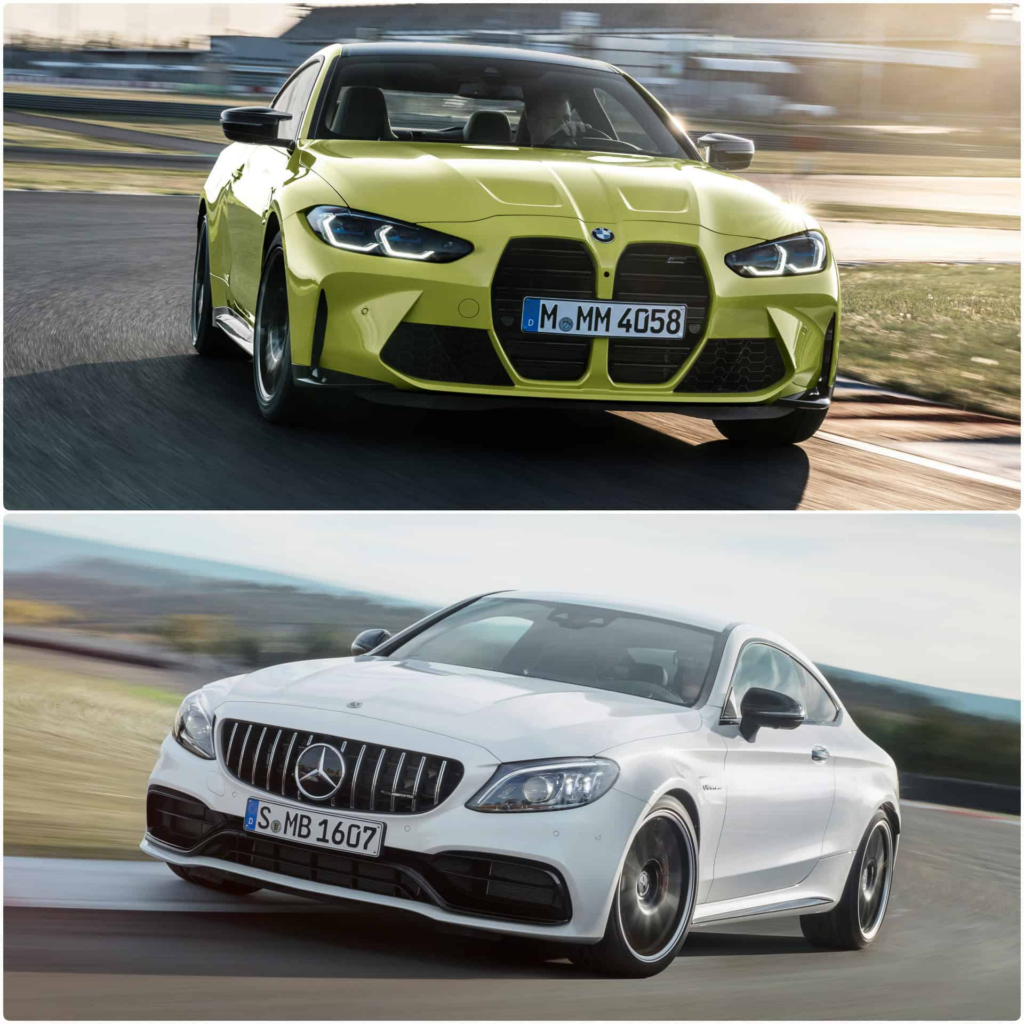
Mercedes-Benz has cultivated a design identity characterized by elegance, sophistication, and refinement. The brand often employs softer lines, flowing curves, and a more organic form language that exudes a sense of premium luxury. The three-pointed star logo, centrally positioned on the grille, is a symbol of quality and prestige that has been carefully maintained throughout the brand’s evolution.
The exterior design of Mercedes vehicles conveys a sense of stateliness and composure. Models like the Mercedes C Class and Mercedes E Class feature elegant silhouettes that emphasize luxury rather than aggressive sportiness. The interior of Mercedes vehicles is where the brand truly excels. High-quality materials, meticulous craftsmanship, and ambient lighting create a luxurious and welcoming atmosphere.
Mercedes has also been at the forefront of technological integration in the cabin. The MBUX (Mercedes-Benz User Experience) infotainment system is renowned for its intuitive interface, voice control capabilities, and stunning visual displays. This focus on advanced technology ensures that Mercedes owners enjoy a premium and sophisticated experience inside the vehicle, setting it apart in the BMW vs. Mercedes design comparison.
Design Trends in 2025
In the 2025 market, both brands are responding to evolving consumer preferences. BMW has refined its design language, moving away from some of the more extreme styling choices of previous years toward a more balanced and sophisticated aesthetic. Mercedes, on the other hand, has subtly enhanced the sportiness of its vehicles, especially in the AMG-Line models, blurring the lines between luxury and performance.
For buyers considering BMW vs. Mercedes design, the choice often comes down to personal taste. Do you prefer the sharp, athletic lines of BMW or the smooth, elegant curves of Mercedes? Either way, both brands offer a visually compelling and premium experience.
Performance and Mileage: The Driving Experience
The core of the BMW vs. Mercedes debate often centers on performance and fuel efficiency. BMW has long been the benchmark for driver engagement, while Mercedes has traditionally prioritized comfort and refinement. However, the 2025 market reflects a shift, with both brands increasingly offering models that excel in both areas.
BMW Performance Metrics
BMW is renowned for its powerful engines, precise handling, and dynamic performance. The brand’s commitment to the “Ultimate Driving Machine” philosophy is evident in every model, from the agile BMW 3 Series to the high-octane M-Series.
In terms of acceleration, BMW vehicles generally offer exhilarating performance. BMW 0-60 mph times are often faster than those of comparable Mercedes models, particularly in the M-Series line. The BMW M3, for instance, is a performance benchmark known for its sharp handling and responsive powertrain.
When it comes to handling, BMW utilizes advanced chassis technology and suspension tuning to provide a connected and engaging driving experience. This focus on driving dynamics appeals to enthusiasts who value agility, feedback, and control.
Mercedes-Benz Performance Metrics
Mercedes-Benz has significantly enhanced its performance capabilities in recent years. While comfort remains a priority, Mercedes now offers a wide range of performance-oriented models that challenge BMW in this arena.
The Mercedes-AMG division offers high-performance variants that deliver breathtaking acceleration and agile handling. Models like the Mercedes C 63 AMG and AMG GT are direct competitors to BMW M-Series vehicles, offering a compelling blend of luxury and performance.
In terms of ride comfort, Mercedes remains the leader. The brand’s advanced suspension systems, such as AIRMATIC air suspension, provide a smooth and refined ride that isolates passengers from road imperfections. This focus on comfort makes Mercedes vehicles ideal for long-distance touring and buyers who prioritize a serene driving experience.
Fuel Efficiency and Mileage
Fuel efficiency is a critical consideration for buyers comparing BMW vs. Mercedes. While both brands offer a range of engine options, the 2025 market reflects a growing emphasis on hybrid and electric powertrains.
For buyers seeking BMW fuel economy, the brand offers efficient gasoline engines, as well as a growing lineup of plug-in hybrid and fully electric models. The BMW iX and i4 provide zero-emission driving without compromising on performance or range.
Mercedes also offers efficient gasoline engines, as well as a range of Mercedes