




Lamborghini vs. Ferrari: The Ultimate Automotive Rivalry
The history of the automotive world is filled with rivalries, but perhaps none are as passionate, iconic, and deeply rooted in personal drama as the legendary clash between Lamborghini and Ferrari. For decades, these two titans of Italian engineering have been locked in a silent war—a battle fought not just in speed and horsepower, but in philosophy, design, and raw emotion. This is more than just a competition; it’s a decades-long saga of pride, innovation, and a refusal to yield, shaping the very essence of what a supercar represents.
The Genesis of a Rivalry
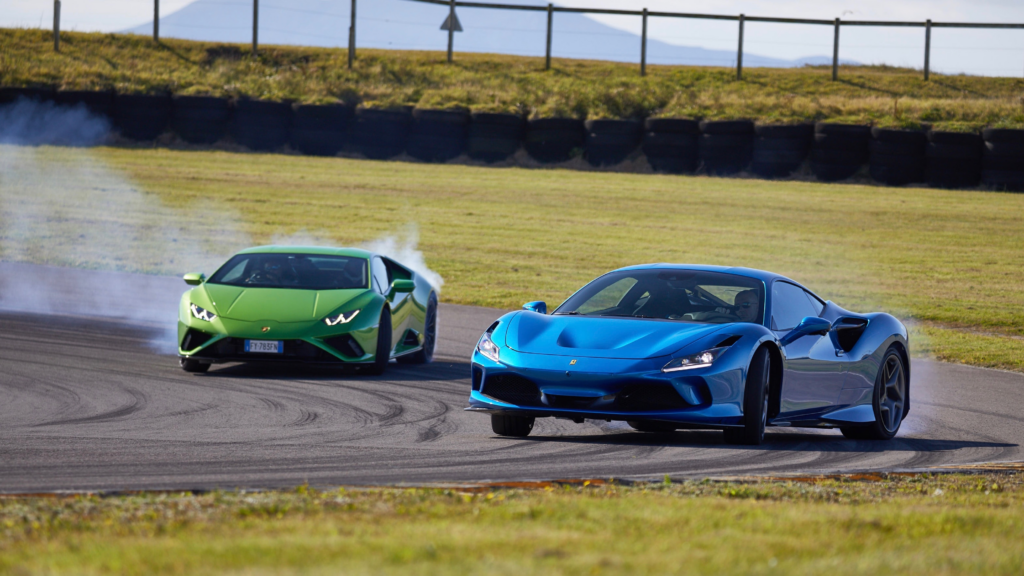
The genesis of this extraordinary rivalry can be traced back to one man and one extraordinary moment of frustration. Ferruccio Lamborghini, a successful industrialist known for his innovation in tractors and machinery, was an avid car enthusiast with a particular fondness for Ferrari. His personal collection reportedly included several Prancing Horse models, which he considered the pinnacle of automotive performance. However, his experience was marred by persistent mechanical issues, most notably with the clutch systems.
In the early 1960s, Lamborghini approached Enzo Ferrari directly to voice his concerns. While most manufacturers would have been grateful for feedback, Enzo Ferrari famously dismissed Lamborghini, allegedly telling him that someone who could only build tractors would never understand the nuances of driving a Ferrari. This dismissal, born of Enzo’s renowned arrogance and unyielding perfectionism, was more than just an insult—it was a profound challenge to Lamborghini’s engineering pride.
Enzo Ferrari, the “Commendatore,” believed his cars were the ultimate expression of speed, precision, and racing heritage. He lived and breathed Formula 1, seeing his road cars as extensions of his racing passion. To him, the road was merely a stepping stone to the track, and any deviation from that philosophy was amateurish.
For Ferruccio Lamborghini, this moment ignited a fire. Instead of accepting Enzo’s verdict, he decided that if the existing master wouldn’t build a car to his standards, he would build his own. He resolved to create a machine that would not only rival Ferrari but surpass it in performance, luxury, and technological innovation. In 1963, Automobili Lamborghini was founded, signaling the birth of a legend and the beginning of one of the most heated rivalries in automotive history.
Lamborghini’s Bold Challenge
With the establishment of his own company, Ferruccio Lamborghini set out to create cars that were as beautiful as they were fast. His philosophy was clear: he wanted a luxury grand tourer that offered comfort, style, and performance—a car that was an everyday work of art rather than a brittle race machine. He hired legendary engineers like Giotto Bizzarrini, who had previously worked for Ferrari, and encouraged radical designs that pushed the boundaries of engineering and aesthetics.
The first breakthrough came with the Lamborghini Miura, unveiled in 1966. It was a stunning departure from the status quo. Featuring a revolutionary mid-engine layout, the Miura redefined the supercar paradigm with its aggressive stance, sweeping lines, and the heart-pounding growl of its V12 engine. It was not just a car; it was a statement of intent—a rolling declaration that Lamborghini was here to compete with Ferrari.
Ferrari responded to the Miura with the 365 GTB/4 Daytona. It was a powerhouse, but it remained rooted in tradition with its front-engine V12 configuration. While the Daytona was undeniably fast and beautiful, the Miura’s innovation and audacity set the stage for a battle that would captivate the world.
The Clash of Design Philosophies
The rivalry between Lamborghini and Ferrari extends far beyond performance metrics; it is also a battle of design ideologies. Lamborghini’s design language is characterized by sharp angles, angular lines, and aggressive, almost predatory aesthetics. Cars like the Countach, Aventador, and Huracán are iconic for their dramatic silhouettes and “shock and awe” presence. They are visually arresting, designed to command attention the moment they enter a room or roar down a street. Lamborghini is often associated with bold, extravagant designs that express raw power and untamed spirit.
Ferrari, on the other hand, traditionally leans toward flowing curves, elegant proportions, and aerodynamic sophistication. From the classic lines of the 288 GTO to the refined aggression of the F8 Tributo and the upcoming SF90 XX Stradale, Ferrari embodies a synthesis of speed and beauty. Their design language is characterized by a sleeker, more sculpted approach, often incorporating race-derived technology to create cars that are both visually striking and aerodynamically efficient. If Lamborghini is a statement of rebellion, Ferrari is a testament to refined dominance.
This design dichotomy is one of the most appealing aspects of the rivalry. Lamborghini represents the avant-garde, the pursuit of radical form and groundbreaking engineering. Ferrari represents the refinement of tradition, pushing the boundaries of performance while maintaining a connection to their racing heritage. It is a battle between avant-garde expression and timeless elegance.
Track vs. Street: A Battle of Purpose
While both brands are legendary in the automotive world, their historical focus has often diverged. Ferrari has always maintained a strong allegiance to motorsports, particularly Formula 1. Enzo Ferrari’s vision was always centered on racing, and the road cars often benefited from this racing-derived technology. The brand has an unparalleled legacy of motorsport victories, which serves as a cornerstone of their brand identity.
Lamborghini, however, began its journey with a focus on road cars. Ferruccio Lamborghini’s initial intention was to create the ultimate luxury sports car for the road, a car that offered performance without sacrificing comfort or luxury. While Lamborghini has entered motorsports with success, particularly in GT racing, their identity remains more rooted in the street—in the pursuit of extraordinary design, raw power, and driving experience.
This divergence in philosophy has created a clear distinction for enthusiasts. Ferrari is often associated with the precision of the racetrack, the heritage of motorsport, and the thrill of competition. Lamborghini is associated with the boldness of the open road, the drama of extraordinary design, and the visceral experience of driving a machine that defies convention.
Technological Arms Race: V12 Roars and Carbon Fiber Wars
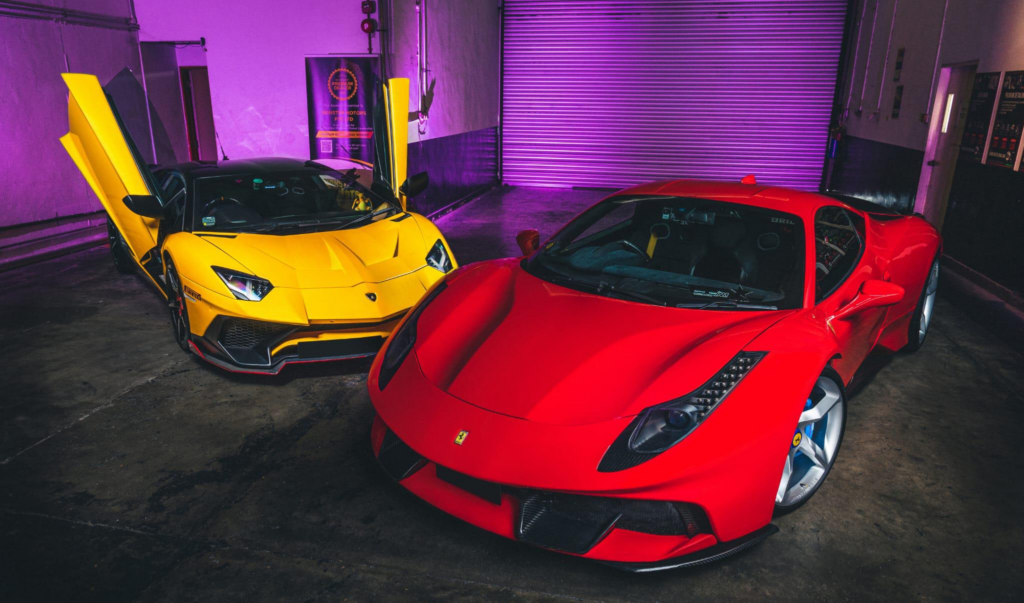
Both brands are forever testing the limits of what a car can be, engaging in a relentless technological arms race. Ferrari has consistently pushed the boundaries of innovation with advanced electronics, aerodynamics, and hybrid technology. The Ferrari SF90 Stradale, with its 1,000-horsepower plug-in hybrid system and sophisticated race-derived dynamics, exemplifies Ferrari’s commitment to cutting-edge performance.
Lamborghini has matched this push with its own advancements, particularly in hybrid technology and performance engineering. The Lamborghini Revuelto, the successor to the Aventador, features a powerful V12 engine combined with a hybrid system and a revolutionary carbon fiber chassis, demonstrating Lamborghini’s dedication to pushing the envelope of performance and engineering. These flagship models showcase a constant drive to exceed expectations and redefine the limits of speed and technology.
The sound of these cars is another hallmark of their rivalry. A Ferrari often produces a high-pitched, melodic scream that evokes the sound of an Italian opera, refined and precise. A Lamborghini, on the other hand, delivers a deep, bass-heavy roar that vibrates through the very core of those who hear it—a visceral, unbridled display of power. For fans, the debate over which sound is superior remains a lively source of discussion, a testament to the distinct character of each brand.
New Competitors in the New Era
In the rapidly evolving automotive landscape of the 21st century, both brands are adapting to the rise of electrification without compromising their core identities. Ferruccio Lamborghini’s vision of luxurious, high-performance road cars is being translated into the electric age. Lamborghini is embracing hybrid technology with vehicles like the Revuelto and has announced plans for a fully electric supercar in the near future, continuing their tradition of pushing the boundaries of what’s possible.
Ferrari is also embracing electrification to maintain its position at the forefront of performance technology. They have introduced plug-in hybrid models like the SF90 Stradale and are working on an all-electric supercar, signaling a commitment to sustainable performance and technological advancement. The 12Cilindri Spider and SF90 Spider represent Ferrari’s continued focus on performance, luxury, and Italian design.
These adaptations are crucial for survival in a market increasingly defined by sustainability. Both brands are demonstrating that electrification does not mean sacrificing the performance, drama, and emotional engagement that define their marques. By blending traditional engineering with new technologies, they ensure that their loyal customer base will continue to enjoy their cars for generations to come.
Loyalty and Lifestyle: Which One do You Drive?
Owning a Ferrari or a Lamborghini is more than just purchasing a car; it is entering an exclusive world. Ferrari has built its brand around exclusivity and loyalty. Historically, owning a Ferrari has been a privilege earned through ownership history and community involvement. The brand often prioritizes long-time customers for its most exclusive models, making it feel like a family built on shared passion.
Lamborghini, while exclusive, is more accessible than Ferrari in terms of ownership entry. While owning a Lamborghini is certainly a significant achievement, the brand places less emphasis on ownership history and more on the desire for bold design, performance, and attention. Lamborghini is the choice for those who want to make a statement, who want a car that screams performance and luxury from the moment it appears.
Conclusion
The rivalry between Lamborghini and Ferrari is a dynamic and enduring conflict that has defined the supercar landscape for over six decades. It began with a clash of egos and a challenge to the established order, but it evolved into a legendary competition that has driven innovation, fueled innovation, and created some of the most iconic automobiles ever built.
This is more than just