
The Shifting Sands of Automotive Royalty: Why the Las Vegas Concours Is Challenging Pebble Beach’s Hegemony in 2026
In the rarefied air of high-end automotive appreciation, the term “concours d’elegance” typically evokes imagery of perfectly manicured lawns, sun-drenched California coastlines, and the hushed reverence that accompanies the display of automotive masterpieces. The standard definition, essentially a competition where vehicles are judged primarily on aesthetic perfection and presentation, has long been the benchmark for global automotive excellence. But as we navigate the ever-evolving landscape of the modern car collector market, this tradition faces a seismic shift. The famed Monterey Car Week, headlined by the Pebble Beach Concours, has long been considered the zenith of the automotive social season. However, a rising contender, particularly those catering to the booming demand for late-model hypercars, is forcing a reevaluation of the established hierarchy.
For years, industry veterans have engaged in a perennial debate: is the Goodwood Festival of Speed superior? How about the Goodwood Revival? Is the Amelia Island Concours, the Moda Miami event, Retromobile, or the Audrain the true successor to Pebble Beach’s crown? Every year, as discerning enthusiasts and marque representatives gather to admire the finest automobiles in the world, the question resurfaces. While Pebble Beach has historically been the undisputed king, the challenger for the throne is no longer a distant heir—it’s a formidable rival that has aggressively captured the attention of a new generation of collectors.
This article explores the meteoric rise of the Las Vegas Concours and its aggressive challenge to Pebble Beach’s dominance. Analyzing the shifting preferences of buyers, the financial implications for manufacturers, and the evolving dynamics of the global supercar circuit, we assess whether the Las Vegas event is poised to usurp the industry’s most venerable institution in 2026.
The Anatomy of Automotive Excellence: Understanding the Appeal of Pebble Beach
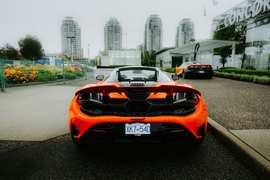
To truly appreciate the disruption caused by newer events, one must first understand the enduring legacy and unique appeal of the Pebble Beach Concours d’Elegance. Traditionally held on the 18th hole of the famed Pebble Beach Golf Links, the event culminates the annual Monterey Car Week, an event that has become the definitive gathering for automotive afficionados, collectors, and manufacturers worldwide.
The allure of Pebble Beach stems from several critical factors. Firstly, its location on the Pacific coast of California provides an undeniably picturesque backdrop. The juxtaposition of immaculate, often million-dollar classics against the dramatic cliffs and crashing waves of the Pacific Ocean creates an atmosphere of unparalleled exclusivity and prestige. This setting transforms the event from a simple display of cars into a sophisticated social spectacle.
Secondly, the history and heritage of Pebble Beach are unparalleled. Many of the vehicles exhibited represent the pinnacle of automotive innovation and design from the 20th century. Attendees are treated to a display of rare coach-built automobiles, historically significant race cars, and prototypes that have shaped the course of automotive history. This focus on legacy and automotive heritage is central to the event’s identity, attracting collectors who value patina, originality, and provenance.
The Financial Significance of Pebble Beach
Pebble Beach is more than just a display of automotive beauty; it is the primary driver of the collector car market. The event often serves as the primary launch platform for many auction houses and marque manufacturers seeking to showcase their latest or rarest offerings to an audience that is willing to pay top dollar.
For potential investors, participating in Pebble Beach represents the highest level of market exposure. However, the cost associated with exhibiting is substantial. In 2025, an average cost for a manufacturer to set up a stand exceeded $400,000. For an individual collector, a ticket for the prestigious Sunday event could cost upwards of $1,300 for returning attendees and $1,600 for first-time participants. This price point effectively reserves attendance for those with high net worth or deep industry connections, further cementing the event’s exclusivity.
Moreover, the financial implications extend to the supply chain. Dealers and consignment houses often rely on the auction proceeds generated during Monterey Car Week to drive sales for the remainder of the year. This symbiotic relationship solidifies Pebble Beach’s position at the center of the high-stakes automotive economy.
The Ascent of the Modern Icon: The Rise of The Quail
While Pebble Beach focuses on automotive history, The Quail, A Motorsports Gathering, has evolved to capture the essence of the modern supercar and hypercar era. For a growing segment of the car world, The Quail has not only equaled Pebble Beach but has significantly surpassed it. These enthusiasts tend to prioritize cutting-edge technology, extreme performance, and the exclusivity of owning a vehicle that is not yet available to the general public.
The death of the Geneva International Auto Show in 2023 left a significant void in the global supercar calendar. The Quail has deftly stepped in to fill this vacuum, becoming the preferred venue for manufacturers looking to debut their most avant-garde creations.
The Launch Pad for the World’s Fastest Cars
The Quail has cultivated a reputation for hosting the world premiere of some of the most significant vehicles in modern automotive history. Examples include:
Lamborghini Temerario (Huracán Successor): First revealed at The Quail in 2024, this model demonstrates the event’s importance as an exclusive launch platform.
Pagani Fenomeno: Making its public debut at The Quail in 2025, this seven-figure hypercar highlights the event’s appeal to ultra-luxury collectors.
Bugatti Chiron: While the Chiron was unveiled at Geneva, subsequent high-end variants like the Bugatti Divo (2018) and Bugatti Mistral (2022) made their first appearances at The Quail, signaling a shift in manufacturer strategy.
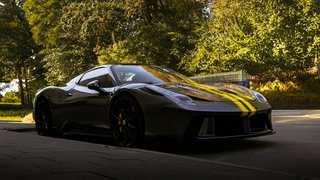
These announcements illustrate that The Quail is not merely a parallel event; it is the premier stage for companies aiming to capture the attention of a market segment that prioritizes innovation and cutting-edge design over classic heritage. For hypercar collectors and supercar enthusiasts, The Quail represents the absolute pinnacle of automotive unveiling.
A New Contender Emerges: The 2025 Las Vegas Concours
Until the fall of 2025, it seemed likely that The Quail would continue to reign as the supreme event for modern automobiles. However, the 2025 Las Vegas Concours, held at the prestigious Wynn Las Vegas, fundamentally altered the competitive landscape. What began as a regional event in 2024 transformed into a world-class gathering, attracting marques that are usually reserved for only the most exclusive venues.
Attendees often pose the question: Is the Las Vegas Concours the new heir to Pebble Beach’s throne? The answer depends largely on what one values in a concours event. For those interested in legacy and history, Pebble Beach remains king. But for the discerning collector seeking the latest in automotive engineering and design, the Las Vegas Concours has emerged as a formidable challenger.
The Unprecedented Scale of the Las Vegas Concours
The Concours at Wynn Las Vegas demonstrated an organizational capacity and marketing reach that surprised industry observers. What set the event apart was the sheer density of exotic cars and hypercars.
The Bugatti Extravaganza
One of the most staggering statistics from the event was the presence of 48 Bugatti Veyrons. To contextualize this, consider that only 450 Veyrons were ever built globally, with merely 100 sold in North America. The organizers displayed more than 10% of all Veyrons ever produced in one location. This exhibit included not only the standard Veyron but also a Vitesse Super Sport commemorating the car’s 20th anniversary, alongside a Bolide, Centodieci, Chiron Super Sport, Divo, and Mistral. The upcoming 18-cylinder hybrid Tourbillon also made an appearance, showcasing Bugatti’s commitment to the Vegas Concours.
The Pagani Showcase
The Las Vegas Concours also hosted the largest gathering of Pagani vehicles ever assembled in North America. While the exact count was difficult to obtain due to the overwhelming number of attendees, it was estimated to be more than 40. The display included rare models such as a Zonda Revolution (one of only five produced), dozens of Huayras, and several Utopias.
Most notably, the event featured the exclusive debut of the Huayra Codalunga Speedster, a limited production model priced at approximately $7 million before taxes and tariffs. The presence of Horatio Pagani, who was honored for his contributions to car design, underscores the significance of the Vegas Concours. For Pagani collectors, this event represented a unique opportunity to see the largest assembly of their favorite marque outside of the factory.
What This Means for You: Deciding Which Concours Fits Your Profile
The emergence of the Las Vegas Concours forces a critical evaluation of your automotive priorities.
If you value legacy and rarity: Pebble Beach remains the gold standard. The focus on historical significance, provenance, and the established prestige of the event makes it unmatched for collectors of vintage automobiles. However, be prepared for high entry fees and the need for prior industry relationships to secure a top-tier exhibitor spot.
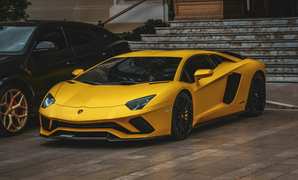
If you prioritize cutting-edge technology and supercar culture: The Las Vegas Concours is the clear winner. It has rapidly become the premier destination for manufacturers to debut new hypercars and for collectors to witness the latest innovations in automotive engineering. The Las Vegas Concours offers