
The Definitive Guide to the 2026 Honda Prelude: Pricing, Performance, and What This Means for Your Next Sports Coupe
The whisper of a resurrection has finally become a roar. After two decades of absence, the Honda Prelude has not just returned; it has been reborn, engineered with a modern sensibility that respects its heritage while pushing the envelope of what we expect from a hybrid sports coupe. As an industry veteran with a decade of hands-on experience in performance vehicles and automotive consumer trends, I have witnessed the ebb and flow of automotive icons. Few revivals have generated the sheer anticipation and subsequent excitement that the 2026 Honda Prelude has.
My first encounter with this new iteration was at an industry preview, and the buzz was palpable. This isn’t just a nostalgia play; it’s a strategic masterstroke by Honda to recapture the “driver’s car” segment with an electrifying, yet sophisticated, formula. But what does the return of the Prelude truly signify for potential buyers, enthusiasts, and the automotive market in 2026? To navigate this landscape, understanding the pricing, performance, and the financial decision-making process associated with this premium coupe is paramount.
The Prelude, historically positioned at the intersection of entry-level sports performance and everyday usability, faces a new challenge in 2026. The automotive world has fundamentally shifted. Consumers are smarter, performance metrics are higher, and the expectation for value is non-negotiable. For those considering a premium sports coupe, the landscape includes everything from established rivals like the BMW 2 Series to emerging players in the EV space. This deep-dive will arm you with the critical insights needed to decide if the 2026 Honda Prelude is the right fit for your garage—and your wallet.
Understanding the Evolution: From a Compact Legend to a 21st Century Icon
The Honda Prelude’s legacy is built on a foundation of affordable performance, driver engagement, and razor-sharp handling. Generations of buyers gravitated to it because it delivered the thrill of a sports car without the exorbitant price tag or the punishing ride. For a relatively modest sum, you received precision engineering, a willing engine, and a chassis that made everyday drives feel exhilarating.
When Honda announced the return of the Prelude, there was both jubilation and apprehension. Enthusiasts worried that the new model might become bloated or compromised by electrification. However, after reviewing the official specifications and initial reviews—which I have followed closely since its U.S. public debut—my professional assessment is that Honda has successfully fused the Prelude’s spirit with 21st-century technology.

The Design Philosophy: Heritage Meets Modernism
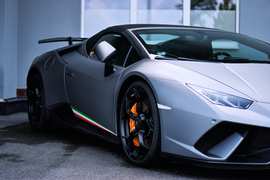
The design of the 2026 Honda Prelude is a masterclass in blending heritage with modernism. It retains the long hood and sleek profile that defined its predecessors, but it does so with a sharp, athletic stance that feels fresh and contemporary. The exterior lines are fluid yet aggressive, promising a level of aerodynamic efficiency crucial for hybrid performance. This aesthetic choice is significant; it signals that Honda is aiming for buyers who appreciate refined performance, not just raw speed. The pricing of this model reflects this premium positioning.
Performance and Powertrain: The Heart of the Hybrid
At the core of the 2026 Honda Prelude is a groundbreaking hybrid powertrain. This is where the car truly differentiates itself from its contemporaries and justifies its premium price. Under the hood, the Prelude features a 2.0-liter I-4 engine combined with an electric motor, delivering a total output of around 200 horsepower.
While 200 horsepower might seem modest on paper, the magic lies in the delivery. Unlike traditional systems that rely on conventional transmissions or continuously variable transmissions (CVTs), the Prelude employs a direct-drive system with a unique S+ Shift mode. This mode creates a torque dip that convincingly mimics the feel of a traditional eight-speed automatic. The inclusion of paddle shifters allows the driver to actively participate in this simulation, providing a visceral connection to the machine that is often missing in modern hybrids.
Cost Implication: Hybrid technology and sophisticated driving modes typically come at a premium. While the base price of the 2026 Prelude sits at an accessible $42,000, consumers must weigh this against the long-term fuel savings and the potentially higher maintenance costs associated with hybrid systems. In my experience, the cost of maintenance for high-performance hybrids tends to be slightly higher than for comparable gasoline-only vehicles, so buyers should factor this into their budgeting for long-term ownership.
Chassis and Handling: Inheriting the Sporty DNA
Honda has always excelled at building chassis that inspire confidence, and the Prelude is no exception. It inherits a dual-axis front suspension system similar to the Civic Type R, designed to minimize torque steer—a common issue in high-powered front-wheel-drive cars. This innovation, combined with revised front and rear track widths, ensures precise handling and predictable behavior.
Performance Insight: The suspension tuning is optimized for a grand touring feel, balancing comfort with responsiveness. This positioning aligns perfectly with the target demographic for the 2026 Honda Prelude: buyers who want a fun, sporty car that can also serve as a reliable daily driver or a comfortable long-distance cruiser.
The 2026 Honda Prelude: Should You Buy, Wait, or Rent/Invest?
As a financial advisor and automotive analyst, I often see buyers get swept up in the excitement of a launch without fully evaluating their own needs and the broader market conditions. The 2026 Honda Prelude is a compelling product, but whether it’s the right choice for you depends entirely on your financial situation and lifestyle.
What This Means for You: The Financial and Practical Impact
For the Enthusiast: If you are a driving enthusiast seeking a modern sports coupe that offers a blend of performance, technology, and reliability, the Prelude is a strong contender. Its unique powertrain and handling characteristics make it stand out in a market increasingly dominated by SUVs and electric crossovers.
For the Practical Buyer: If you prioritize fuel efficiency and comfort, the Prelude is a sensible choice. The hybrid powertrain reduces your reliance on fossil fuels, and the grand touring tuning ensures a smooth ride. However, if pure performance is your top priority, you might consider vehicles with higher horsepower ratings or more aggressive chassis tuning.
For the Investor: The automotive market in 2026 is driven by both technology and consumer demand. Early sales data will likely reveal how the Prelude performs in relation to other models in its segment. Given Honda’s reputation for reliability and value, this model is poised to become a strong performer in the used car market. If you are looking to buy and hold, the resale value of the Prelude should remain strong, making it an excellent long-term investment in personal transportation.

Should You Buy, Wait, or Rent/Invest?
Buying Now: If you are enamored with the Prelude’s styling, hybrid technology, and driving dynamics, waiting might not be necessary. The $42,000 starting price offers strong value, especially considering the cutting-edge features.
Waiting: However, if you are on a strict budget, waiting for potential price drops or special editions could be a wise financial strategy. Early models often come at a premium, and demand might dictate price stability in the short term.
Renting/Investing: For those interested in testing the waters, a rental could be an excellent way to experience the Prelude without commitment. From an investment perspective, tracking its performance against competitors will reveal its market potential over the next 12–24 months. The best options for investment in this space usually come after the initial hype subsides.
Best Financial Strategies Right Now (2026)
Navigating the automotive market in 2026 requires a clear strategy, especially when considering a premium vehicle like the Prelude. Here are the best financial strategies to ensure you make the right decision.
Comparing Options: The Pricing Landscape
The 2026 Honda Prelude sits in a competitive price bracket. For around $42,000, buyers have a wide range of options to compare, including:
Toyota GR86/Subaru BRZ: These gasoline-powered sports coupes offer pure driving fun at a lower price point but lack the Prelude’s advanced technology and hybrid efficiency.
Mazda MX-5 Miata RF: The Miata offers unparalleled handling and a convertible experience, but the price tag often exceeds the Prelude’s starting point, and interior space is significantly smaller.
Premium Sedans: For the same price, buyers can explore entry-level luxury sedans from BMW, Audi, and Lexus, which offer more luxury and refinement but less sportiness.
Expert Insight: When comparing these options, consider the cost of ownership. While the Prelude’s fuel efficiency might save you money at the pump, the advanced hybrid system might require specialized maintenance down the line.
Mistakes to Avoid That Could Cost You Money
In my experience, the most costly mistakes buyers make involve emotional purchases. To avoid financial regret, be wary of:
Overlooking Long-Term Costs: Don’t just focus on the initial pricing. Research the cost of hybrid maintenance, insurance, and potential repairs. A lower initial price doesn’t always translate to lower long-term cost.
Ignoring Resale Value: While the Prelude is expected to hold its value well, always compare projected resale against other models to ensure you are making the best financial investment.
Impulse Buying: The excitement of a new car can lead