
New Ferrari Testarossa Electrified: The 1,050 HP Plug-in Hybrid Unleashed in 2026
The legacy of the Ferrari Testarossa has been dramatically resurrected, not through a faithful retro revival, but through a seismic shift in modern supercar engineering. In 2026, Ferrari has unveiled the 849 Testarossa in India, promising an exhilarating fusion of classic nameplate mystique withcutting-edge plug-in hybrid technology. This machine is more than just a replacement for the SF90 Stradale; it is a bold statement positioning Ferrari at the zenith of the electrifying supercar race, set to directly challenge rivals like the Lamborghini Revuelto in the ultra-exclusive luxury market.
Ferrari Testarossa is no longer a name confined to automotive history; it is now the vanguard of Ferrari’s electric future. With an astronomical 1,050 PS system output, this hypercar represents the most potent series-production road car the Prancing Horse has ever offered to the public. As the Ferrari Testarossa price in India is anticipated to be announced soon, potential buyers are navigating a landscape where raw performance is only one facet of the decision-making process. The new Ferrari Testarossa marks a defining moment for the brand and a significant indicator of the direction ultra-luxury automotive performance is headed.
This comprehensive examination delves into the technical specifications, design philosophy, and market positioning of this revolutionary machine. It provides a deep-dive analysis for enthusiasts and potential investors seeking to understand the implications of Ferrari’s most powerful series-production supercar to date. By exploring the hybrid powertrain, the radical design language, and the competitive field, we gain critical insight into what the 2026 Ferrari Testarossa truly offers beyond the badge.
Powertrain: The 1,050 PS Hybrid Revelation
At the heart of the 849 Testarossa lies a revolutionary plug-in hybrid system, representing Ferrari’s most sophisticated electrification strategy to date. The powertrain, fundamentally rooted in the architecture of the SF90 Stradale, has been elevated to achieve unprecedented performance benchmarks. This isn’t just an iteration; it is a paradigm shift that marries a 4.0-litre twin-turbocharged V8 engine with three high-output electric motors.
Engine and Electric Motors: The Synergy of Power
The combustion core of the new Ferrari Testarossa is a V8, but it’s configured with a dramatic twist. Unlike the traditional mid-engine layout common in Ferrari V8 models, this engine is mounted forward of the rear axle. This unique configuration is necessitated by the massive battery pack and the additional electric motors required to achieve its class-leading power output.
The V8 engine itself is a beast, producing a substantial portion of the car’s total power. Paired with it are three electric motors:
Two front axle motors: These drive the front wheels independently, offering precise torque vectoring for incredible cornering stability and agility. They enable a “Torque Vectoring on demand” system, allowing the driver to distribute power to each front wheel individually, significantly enhancing the car’s handling dynamics.
One rear axle motor: Located between the engine and the gearbox, this motor functions as a powerful e-torque enhancer, boosting the V8’s output and enabling electric-only driving capabilities.
The integration of these three motors into the drivetrain via an 8-speed dual-clutch automatic transmission (DCT) creates a symphony of power. The transmission is a heavily revised version of the one found in the SF90 Stradale, featuring lighter clutch packs and a modified gear ratio spread to optimize acceleration and track performance.
Performance Figures: A Powerhouse Unveiled
The resulting system output of the 2026 Ferrari Testarossa is simply breathtaking: 1,050 horsepower. This immense power is distributed to all four wheels (AWD), providing the traction necessary to harness such extreme performance.
0-100 km/h (0-62 mph): Ferrari claims a blistering acceleration time of under 2.3 seconds. This places the Testarossa firmly in the hypercar echelon, where the margin of victory over competitors is measured in milliseconds.
Top Speed: The vehicle is capable of exceeding 330 km/h (205 mph), although the top speed is typically electronically limited to ensure safety and protect the high-performance tires.
Electric-Only Range: Demonstrating its commitment to efficiency and modern standards, the new Ferrari Testarossa can travel short distances on pure electric power. While specific mileage figures vary depending on driving style, this feature allows drivers to navigate urban environments silently and without emissions, adding a layer of versatility to the supercar experience.
The Ferrari Testarossa price is expected to reflect the complexity and exclusivity of this powertrain. While exact pricing remains unconfirmed, the advanced technology underpinning this machine suggests a premium over Ferrari’s existing entry-level V8 models.
Design: A Retro-Futuristic Masterpiece
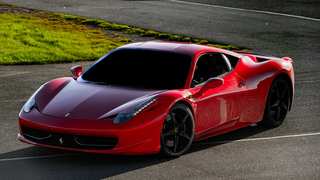
The design of the new Ferrari Testarossa is a masterstroke in retro-futurism. Ferrari has skillfully blended cues from its iconic models of the past with the aerodynamic necessities of the 21st century. It is a car that pays homage to the original Testarossa while remaining unequivocally modern.
Front Fascia: The Iconic Stance
The front of the 849 Testarossa is designed to be instantly recognizable yet aggressively contemporary. It features L-shaped LED headlights that are connected by a gloss black strip. This design element is a clear nod to classic Ferrari models from the 1970s and 80s, but executed with cutting-edge technology. The main beam projectors are integrated within the L-shaped housings, creating a sharp, predatory look.
Dominating the lower section is a large central air intake and a pronounced splitter. These are not merely cosmetic additions; they are critical functional components for cooling the high-performance V8 and the hybrid system, as well as generating aerodynamic downforce. The hood features a deeply sculpted design with subtle air vents, hinting at the power lurking beneath.
Side Profile: The Evolution of the Legend
From the side, the 2026 Ferrari Testarossa reveals its aerodynamic sophistication. The car features large, striking alloy wheels that house massive carbon-ceramic brakes, an essential component for managing the immense stopping power required for a car of this caliber.
A signature element of the Testarossa heritage is the side air intake. On the 849 model, these intakes are seamlessly integrated into the bodywork, channeling air towards the mid-mounted engine. The greenhouse (the cabin and windows) is designed to be sleek and low-profile, further emphasizing the car’s aerodynamic efficiency. The flying buttresses remain a prominent feature, providing a visual link to the original Testarossa while adding structural rigidity and airflow management.
Rear Design: The Dramatic Conclusion
The rear of the Ferrari Testarossa is a dramatic and aerodynamic conclusion to its design. Slim LED tail lamps are positioned across the width of the car, flanked by twin tail sections that echo the iconic side strakes of the original Testarossa. The rear bumper features a large diffuser that is both aggressive in appearance and highly functional in channeling airflow to reduce lift and improve downforce at high speeds.
The 4-litre twin-turbo V8 and three electric motors are housed behind the cabin, resulting in a low center of gravity and exceptional weight distribution. The rear of the car is dominated by the twin exhausts, a tell-tale sign of the raw power being unleashed from the hybrid system.
For enthusiasts considering the new Ferrari Testarossa, understanding these design cues is crucial. While the 849 is a modern machine, it pays significant homage to its predecessors. The aesthetic appeal of the Ferrari Testarossa price is intrinsically tied to its heritage and its role as a modern icon.
Interior: A Driver-Focused Cocoon
Inside, the 849 Testarossa offers a driver-focused cockpit where functionality and luxury are paramount. Ferrari has engineered a cabin that prioritizes driving information while remaining steeped in premium materials and cutting-edge technology.
The Driver’s Cockpit
Instead of relying on a traditional infotainment screen, Ferrari has opted for a design that emphasizes the driving experience. The driver is greeted by a large 16-inch digital display that showcases all vehicle information, including performance telemetry, driving modes, and essential vehicle data. This screen is angled towards the driver, ensuring a clear line of sight and minimizing distraction.
In front of the passenger, a 9-inch screen is positioned. This display allows the passenger to view performance data and vehicle information, making it a unique addition to the supercar experience. It also allows passengers to participate in the exhilaration, viewing speed, power output, and other metrics in real time.
Console and Controls
The centre console sits high between the seats, creating a cockpit-like layout that enhances the feeling of immersion. This elevated console also serves a structural purpose, integrating seamlessly with the hybrid powertrain components.
Ferrari has also reintroduced physical steering-wheel buttons, replacing the touch-sensitive controls seen on some previous models. These buttons are intuitive and tactile, allowing the driver to control essential functions without taking their hands off the wheel. This commitment to driver focus ensures that every interaction feels direct, precise, and engaging.
Premium Materials
The cabin of the new Ferrari Testarossa is adorned with premium materials that are synonymous with the Ferrari brand. Leather, carbon fibre