
As an expert deeply immersed in the world of luxury performance automotive engineering and high-end motorsport, I have followed the unveiling of the Ferrari 849 Testarossa with keen professional interest. The official introduction of the 849 Testarossa to the Indian market represents a seismic shift in the supercar landscape here. It is not merely the arrival of another exotic machine; it is the return of an iconic nameplate, resurrected with cutting-edge engineering that places it firmly at the vanguard of hybrid hypercar technology.
For those of us who have watched Ferrari transition through the electrification era, the 849 Testarossa is the logical evolution of the revolutionary SF90 Stradale. This vehicle replaces the SF90 in the core Ferrari lineup, signaling a strategic pivot where hybrid performance is no longer an experimental deviation but the foundational DNA of their future flagship series-production vehicles.
From a competitive standpoint, the 849 Testarossa immediately establishes a direct, high-stakes battle with the formidable Lamborghini Revuelto. While the performance figures themselves are staggering, the true intrigue lies in how the Maranello maestros have leveraged the heritage of the Testarossa nameplate—one that evokes precision, balance, and the definitive 1980s dream—and fused it with the visceral demands of 21st-century hybrid power.
This comprehensive analysis serves as a deep dive into the engineering marvel that is the Ferrari 849 Testarossa, exploring its powertrain architecture, aerodynamic philosophy, interior execution, and its critical place within the hypercar segment, with a particular focus on its impending debut in India.
The Heartbeat: A Revolution in the Powertrain Architecture
The technical architecture of the Ferrari 849 Testarossa is where its futuristic identity truly crystallizes. Unlike some competitors who view hybrid systems as a means to reduce emissions or provide a momentary electric boost, Ferrari has engineered this vehicle to showcase how hybridisation can fundamentally redefine performance, delivering not just raw power, but exceptional balance, responsiveness, and control.
At the core of the 849 Testarossa is the celebrated Ferrari twin-turbocharged 4-litre V8 engine. This unit has been the backbone of Ferrari’s V8-powered models for some time, but in this application, it has undergone a profound transformation to operate in concert with an advanced three-motor plug-in hybrid system. The marriage of the internal combustion engine (ICE) and the electric motors creates a synergistic powertrain that produces a colossal combined output of 1050 PS.
What is particularly striking is the placement and function of the electric motors. There are two powerful motors dedicated to the front axle, functioning in a torque-vectoring capacity to provide intelligent power distribution across the front wheels. This configuration is crucial for the Testarossa’s all-wheel-drive (AWD) capabilities, allowing for unprecedented stability and cornering control. In contrast to mechanical AWD systems, the electric motors offer instant torque, precise electronic management, and the ability to decouple as required, offering an ultimate degree of driving precision.
A third electric motor is integrated seamlessly between the V8 engine and the dual-clutch gearbox. This unit not only contributes to the overall power output but also serves as the primary generator for the hybrid system when charging the onboard battery, and acts as a launch-assistance motor to provide that brutal initial acceleration from a standstill.
Power is managed through an 8-speed dual-clutch automatic transmission. This gearbox is itself a marvel of engineering, having been refined and miniaturised to shave critical grams from the vehicle’s overall weight. The dual-clutch design ensures that gear changes are executed in fractions of a second, minimising power interruption and maintaining momentum during rapid acceleration.
The synergy between these components is evident in the vehicle’s performance metrics. Ferrari claims the 849 Testarossa can launch from 0 to 100 kmph in an eye-watering time of under 2.3 seconds. This level of acceleration places it squarely in the realm of the world’s elite hypercars, demonstrating the raw capability of the hybrid system to provide an immediate, overwhelming surge of torque.
Beyond its raw speed, the hybrid system enhances the driving experience in more nuanced ways. The Testarossa is capable of traveling short distances using pure electric power alone, a feature that not only improves overall efficiency but also transforms the car’s character. In electric mode, the 849 Testarossa is stealthy, silent, and supremely refined, offering drivers the option to navigate city streets or low-speed scenarios with whisper-quiet elegance, before unleashing the full fury of the V8 and electric motors when called upon.
Design Philosophy: A Rhapsodic Blend of Heritage and Future
The design of the Ferrari 849 Testarossa is not a simple restyling; it is a philosophical statement that pays homage to one of the most iconic silhouettes in automotive history while aggressively positioning the brand in the modern era. The visual language of the Testarossa—the name itself evokes images of low-slung lines, sharp angles, and powerful rear haunches—is evident throughout the design, yet it is rendered with an ultra-modern aerodynamic sensitivity that would be unrecognisable to the Testarossas of the 1980s.
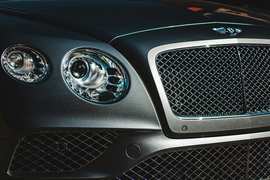
Up front, the vehicle presents a strikingly futuristic face. It features distinctive L-shaped LED headlights, a design element that has become characteristic of Ferrari’s recent high-performance models. These lights are interconnected by a slim, gloss black strip that extends across the bonnet line, a subtle yet potent nod to classic Ferrari styling cues. The front bumper is sculpted to be highly aerodynamic, featuring a large central air intake to cool the hybrid components and the V8, while a pronounced splitter extends forward to generate downforce and improve high-speed stability.
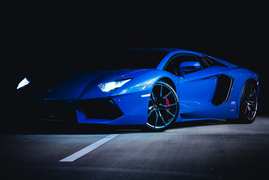
The side profile of the 849 Testarossa is where its supercar identity is most apparent. The vehicle features massive alloy wheels that fill the arches, providing both a visual presence and the necessary structural support for the large brakes and tyres required to handle the car’s power. The silhouette is defined by sleek, flying buttresses that channel airflow towards the mid-mounted engine. These lines are not merely aesthetic; they are functional aerodynamic elements designed to manage airflow, reduce drag, and enhance cooling. Prominent side air intakes, placed strategically along the body, feed cold air to the engine bay and the hybrid components.
At the rear, the Testarossa adopts a dramatic and aerodynamic finish. The design is highlighted by slim LED tail lamps, a modern interpretation of classic automotive lighting designs. It features a distinctive twin-tail section, providing visual depth and symmetry to the rear fascia. The exhaust outlets are mounted high, a characteristic feature that draws the eye and signals the car’s muscular powertrain. A large, pronounced rear diffuser completes the aerodynamic package, working in tandem with the front splitter to generate significant downforce, ensuring that the 849 Testarossa remains planted at high speeds.
Interior: A Driver-Focused Cockpit Reimagined
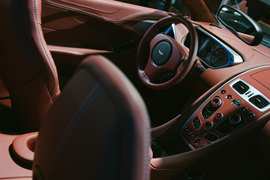
Inside, the Ferrari 849 Testarossa has been conceived as a cockpit where the driver is the absolute centre of the universe. Ferrari has departed from the trend of large, floating infotainment screens, instead opting to prioritize driving information and control. The driver is presented with a large, 16-inch digital display that presents critical data such as speed, rpm, gear selection, and performance metrics. This screen is designed to be legible and intuitive, providing the driver with the information they need without distraction.
Complementing the driver’s display is a separate, 9-inch screen for the passenger. This screen provides the passenger with a secondary view of the vehicle’s performance data and operational information, allowing them to engage with the car’s technological prowess on a co-pilot level.
The centre console is positioned high between the seats, further reinforcing the cockpit-like layout. This design not only creates a sense of enclosure and focus for the driver but also logically houses the controls for the drivetrain and hybrid systems. Ferrari has also reintroduced physical steering-wheel buttons, moving away from the touch-sensitive controls that have appeared on some previous models. This decision represents a significant shift toward driver ergonomics, ensuring that critical controls are tactile, intuitive, and instantly accessible without looking away from the road.
The cabin is finished with a combination of premium materials that speak to the vehicle’s ultra-luxury status. High-grade leather is used extensively throughout the interior, providing a sense of warmth and luxury. This is contrasted with carbon fibre trim, which underscores the vehicle’s sporting credentials and lightweight construction. Aluminium accents are used sparingly to provide a sense of precision and sophistication.
Features and Technology: Precision Engineering for the Digital Age
Despite its primary focus on performance and driver engagement, the Ferrari 849 Testarossa is equipped with a suite of modern technologies that enhance the driving experience, connectivity, and safety.
Wireless Apple CarPlay and Android Auto provide seamless integration with the driver’s smartphone, allowing for easy access to navigation, music, and communication without the need for cumbersome cables. A premium audio system is integrated into the cabin, delivering high-fidelity sound that complements the mechanical symphony of the V8 engine.
As noted, the Testarossa features a digital driver display and a passenger display, providing clear and comprehensive data about the vehicle’s performance. A dedicated performance telemetry system allows drivers to track their lap times and performance metrics, offering a valuable tool for track-day enthusiasts looking to hone their skills.
For safety and control, the 849 Testarossa is equipped with carbon-ceramic brakes, a standard feature on ultra-high-performance vehicles that provide exceptional stopping power, heat resistance, and durability. The vehicle also features advanced traction control and multiple stability management systems, designed to manage the immense power output and provide the