
Ferrari vs McLaren: The Ultimate Supercar Showdown of 2026
In the rarefied world of performance motoring, the debate between Ferrari and McLaren is less a comparison and more a philosophical conflict. Which prancing horse or papaya-colored beast truly represents the pinnacle of automotive engineering? For the discerning collector in the United States, particularly those navigating the dynamic markets of Minneapolis and St. Paul, the decision hinges on more than just lap times; it’s about legacy, luxury, and the visceral thrill that defines performance luxury cars.
As an industry veteran with a decade on the front lines of luxury automobile sales, I’ve witnessed the evolution of these marques firsthand. While the Ferrari vs McLaren rivalry has simmered for decades, the landscape of 2026 presents new variables: hybridization, sustainability, and the shifting demands of the modern American buyer.
Choosing between Ferrari and McLaren is no small feat for enthusiasts of high-performance sports cars. These automakers are renowned for their speed, luxury, and engineering brilliance, making the decision even tougher. Twin Cities Performance Ferrari aims to make your choice easier by exploring the key differences between Ferrari and McLaren, showcasing which brand excels in various aspects. Learn more about how Ferrari stands out with unmatched innovation, sleek designs, and unparalleled performance that make every drive unforgettable.
The Brand Legacy: From the Track to the Showroom
Understanding the current state of Ferrari versus McLaren requires a journey back to their origins. Both brands were born from the crucible of motorsport, but their paths diverged in fundamental ways.
Ferrari, established in 1939 by Enzo Ferrari, is synonymous with passion, historical victory, and a deep-rooted racing DNA. Every car carrying the Cavallino Rampante crest is a descendant of championship-winning Formula 1 machines. The name itself evokes images of the iconic Monza circuit and the legendary “Tifosi” faithful, a testament to their unparalleled racing heritage. The 1950s and 60s cemented their legend with feats like the 250 GTO, an icon now trading for tens of millions of dollars on the luxury car market.
McLaren, founded by the visionary Bruce McLaren in 1963, built its legacy on innovation and technical audacity. Their dominance in Formula 1 during the late 80s and early 90s, spearheaded by drivers like Ayrton Senna, established them as masters of aerodynamic efficiency and lightweight construction. Unlike Ferrari, which maintains a broader street presence, McLaren’s street cars are direct, pure expressions of their racing technology, often sacrificing some luxury for unadulterated performance.
The 2026 Landscape: A New Hybrid Era

The year 2026 marks a pivotal moment in the history of supercar manufacturers. Rising regulatory pressures and technological advancements have forced both brands to embrace hybridization, but their approaches couldn’t be more different.
Ferrari has boldly integrated hybrid technology into its core lineup, most notably with the SF90 Stradale and the 296 GTB. This move demonstrates a commitment to maintaining V8 and V12 powerhouses while reducing emissions.
McLaren, conversely, has made electrification the cornerstone of its new generation of sports cars. The Artura and the forthcoming successor to the 750S are all part of a comprehensive plan to transition the entire brand to plug-in hybrid powertrains, underscoring their focus on sustainable performance.
Price and Performance: Where Investment Meets Velocity
When discussing Ferrari vs McLaren pricing, we are entering territory where the numbers are as extraordinary as the machines themselves. While both brands command premium prices, their value propositions differ significantly.
The Ferrari Portfolio: A Spectrum of Performance
For the luxury automotive enthusiast in the Minneapolis area, Ferrari offers a tiered portfolio that caters to different investment levels and desires.
Ferrari 812 GTS: While the 812 GTS has transitioned out of production, its legacy lives on in the highly sought-after SF90 Stradale. The Ferrari SF90 Stradale price starts around $500,000, offering 986 horsepower from a twin-turbo V8 and three electric motors. This car represents the pinnacle of Ferrari’s hybrid performance and serves as a benchmark for modern hypercars.
Ferrari 296 GTB: This model represents Ferrari’s foray into high-performance V6 engines, producing a combined 819 horsepower. The Ferrari 296 GTB price sits in the low-to-mid $300,000 range, making it one of the more accessible new Ferraris on the market.
Ferrari Purosangue: Ferrari’s first SUV is a significant departure from tradition. While not intended to be the fastest Ferrari in a straight line, its Purosangue starting price exceeds $400,000, reflecting its V12 engine and revolutionary design. This model has been highly anticipated by collectors in Wayzata and Minnetonka who seek a blend of luxury SUV practicality and supercar heritage.
The McLaren Portfolio: Lightweight Technology
McLaren’s offerings are generally positioned competitively against their Ferrari counterparts, but with a different emphasis on weight savings and aerodynamic efficiency.
McLaren Artura: As the entry-level McLaren, the Artura represents the brand’s commitment to plug-in hybrid technology. Starting around $250,000, it delivers 671 horsepower and is lauded for its agility and handling.
McLaren 750S: This is the current workhorse of the McLaren lineup, offering stunning performance with lightweight construction. The McLaren 750S price typically falls in the mid-$300,000 range.
McLaren Speedtail: For the ultra-high-net-worth collector, the Speedtail is the ultimate expression of McLaren’s lightweight carbon fiber construction. This limited-production hypercar often sells for over $2 million, offering unmatched top speeds and a futuristic design.
Design and Aesthetics: Timeless Elegance vs. Futuristic Agility
One of the most defining differences between Ferrari and McLaren lies in their design philosophies. The argument between Italian flair and British engineering often plays out visually in their respective model lineups.
Ferrari’s Italian Romance
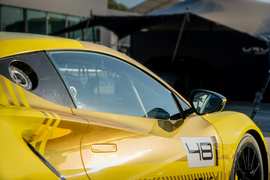
Ferrari is the epitome of Italian automotive sculpture. The flowing lines, seductive curves, and aerodynamic purity of models like the Roma and the F8 Spider are designed to stir the soul. Their interiors are a testament to customizable luxury, featuring plush leather and Alcantara upholstery, state-of-the-art aerodynamic designs, and iconic mid-engine layouts.
For instance, the Ferrari SF90 Stradale Interior perfectly encapsulates this ethos. It is opulent yet focused, with a driver-centric cockpit that seamlessly integrates technology. The iconic red leather upholstery paired with carbon fiber trim creates a luxurious experience that defines the Ferrari brand.
McLaren’s Futuristic Vision
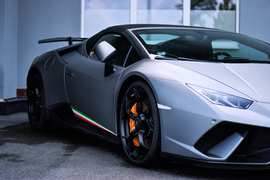
McLaren’s designs are born from the wind tunnel. The brand’s commitment to aerodynamics results in striking, futuristic aesthetics that prioritize function over form. The McLaren 750S features sharp lines and aggressive intakes, while the McLaren Artura showcases a sleek, modern design that reflects its hybrid powertrain.
Internally, McLaren often emphasizes a minimalist design, with a focus on lightweight materials and intuitive controls. While the aesthetics are breathtaking, some critics argue that McLaren’s interior is less luxurious than Ferrari’s, with less focus on plush materials and more on racing ergonomics.
Connectivity and Technology: Software Versus Hardware
In the era of smart cars and connected vehicles, the technology war between Ferrari and McLaren is heating up. Both brands are incorporating cutting-edge features, but their approaches differ based on their target audience.
Ferrari’s User-Centric Approach
Ferrari excels in creating intuitive user interfaces. The 16-inch curved display in the SF90 Stradale is a testament to their commitment to driver-centric technology. Features such as wireless Apple CarPlay and Android Auto integration, driver assistance features, and premium audio systems like JBL Professional and Burmester® ensure that drivers stay connected and comfortable. The myFerrari app further enhances the ownership experience, providing seamless access to vehicle information and services.
McLaren’s Performance-First Integration
McLaren’s technological focus is driven by performance. The McLaren Infotainment System (MIS) is minimalistic and driver-focused, providing essential information without distractions. While the McLaren connectivity solutions are advanced, they prioritize functionality and performance over convenience, making Ferrari the more well-rounded choice for tech-savvy drivers looking for cutting-edge connectivity.
🚀 MONEY CONTENT OPTIMIZATION: FINANCIAL IMPLICATIONS OF BUYING A FERRARI VS MCLAREN
As we look at Ferrari versus McLaren in 2026, the decision isn’t just about which car is faster; it’s a financial decision with long-term implications for luxury automotive collectors and investors.
What This Means for You: Investing in a Supercar
For collectors in Minneapolis and St. Paul, owning a luxury automobile from Ferrari or McLaren is often considered a real estate investment in the automotive world. The cost of these vehicles is significant, but the potential returns can be substantial.
Investment Potential
While both brands hold their value well, Ferrari investment has historically been stronger. Certain limited-edition Ferraris have appreciated at double-digit annual rates, making them attractive long-term investments.
McLaren investment, while strong,