
A 2026 Blueprint for Automotive Mastery: Charting the Decade’s Performance Zenith
By Ethan Blackwood, Senior Automotive Analyst & Industry Veteran
Introduction
As we navigate the complex terrain of the 2026 automotive landscape, a significant paradigm shift is underway. The boundaries that once defined the “supercar”—pure internal combustion, visceral driving dynamics, and raw emotion—are dissolving. In their place, a new philosophy of high-performance motoring is emerging, one defined by sustainable energy, AI-driven driving intelligence, and the relentless pursuit of efficiency. For the discerning enthusiast, the investor, and the industry insider, understanding this evolution is critical not just for appreciation, but for making informed financial decisions.
This article serves as a comprehensive, expert-level roadmap to the most significant performance cars that have defined the luxury and hypercar segment over the past decade, with a specific focus on the innovations of the last two years that are setting the stage for the next generation. We will explore not only the jaw-dropping specifications and price tags—which remain central to the luxury market—but also the strategic implications for the global automotive industry. From the electrification of flagship marques to the technological leaps defining the next era of motorsport, we provide an exclusive look at what to expect.
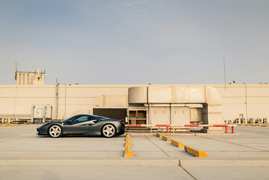
The demand for ultra-premium, high-horsepower vehicles shows no signs of abating, despite economic pressures. In fact, the luxury and exotic car market remains one of the most resilient sectors globally, driven by a confluence of aspirational wealth, technological advancements, and the inherent appeal of exclusivity. This report delves into the core of what makes these vehicles so compelling, analyzing the financial and strategic considerations that underpin their enduring value and future potential.
The Electric Awakening: How Battery Power is Reshaping Performance
The defining trend of the past five years has been the electrification of the automotive sector, and the performance segment has been at the vanguard of this revolution. As manufacturers transition away from fossil fuels, they are redefining what high performance means, demonstrating that electric powertrains can deliver not just equal, but superior acceleration, torque, and responsiveness. For investors and consumers in the luxury vehicle market, this shift presents both challenges and opportunities. The total cost of ownership for these high-tech machines is changing, and the valuation of traditional sports cars is beginning to reflect this new reality.
In 2026, consumers in the US are witnessing a transition where electric supercars are no longer an alternative, but the definitive benchmark for performance. This has significant implications for resale values, maintenance costs, and financing options. As manufacturers pivot to sustainable production, the resale value of traditional gasoline-powered sports cars is becoming more volatile, while new electric hypercars are setting new standards for acceleration and efficiency. The market is bifurcating, and those who understand the economics of this shift stand to gain the most.
The 2023-2024 Performance Portfolio: A Definitive Retrospective
The period between 2023 and 2024 was a landmark era for the performance automotive segment. This was the time when electric powertrains solidified their dominance in hypercars, pushing the boundaries of what was thought possible in terms of speed and acceleration. The transition was not just a technological shift; it was a philosophical one, forcing manufacturers to reconcile their racing heritage with the demands of environmental sustainability.
One of the most significant developments during this period was the emergence of advanced hybrid systems that combined the raw power of traditional engines with the instant torque of electric motors. This dual-powertrain approach allowed for a level of versatility that was unprecedented in previous generations of performance cars.
The Apex Predator: Lamborghini Revuelto – A Masterclass in Electrification
Lamborghini’s Revuelto, a name that echoes with the thunderous power of tradition, emerged in 2023 as the heir to the legendary Aventador. This machine represents the pinnacle of Lamborghini’s bold embrace of hybridization. What sets the Revuelto apart is its groundbreaking powertrain: a 6.5-litre naturally aspirated V12 petrol engine, paired with three electric motors. The result is a combined output of 1015 PS, transmitted to all four wheels via an 8-speed DCT.
For the discerning enthusiast, the Revuelto represents the perfect blend of heritage and future. Its acceleration from 0 to 100 km/h is nothing short of breathtaking, typically clocking in at under 3 seconds. But the Revuelto is more than just a technical marvel; it is a statement. In a world increasingly focused on electrification, Lamborghini has proven that it can evolve its signature V12 engine while maintaining the visceral excitement that made it a legend in the first place.
Should You Buy: For the buyer with a substantial budget and a desire to own the apex of automotive engineering, the Revuelto is a sound investment. Its limited production run and Lamborghini’s legacy suggest strong potential for appreciation.
Financial Implications: The initial cost of the Revuelto is significant, but its depreciation in the US market is relatively slow, particularly for well-maintained examples. Collectors are increasingly willing to pay a premium for cars that represent the transition from pure combustion to hybrid power.
Ferrari’s Electrified Symphony: The 296 GTS
Ferrari, the quintessential symbol of performance and luxury, continues to push the envelope with its electric innovations. The 296 GTS, the convertible variant of the 296 GTB, is a testament to this philosophy. Powered by a 3-litre V6 engine and an electric motor, it delivers a combined output of 830 PS and 740 Nm of torque. This power is sent to the rear wheels via an 8-speed DCT, enabling a 0-100 km/h sprint in 2.9 seconds and a top speed of 330 km/h.

The Ferrari 296 GTS represents the new era of grand touring – performance that is accessible, thrilling, and technologically advanced. Unlike traditional V8 Ferraris, the 296 GTS offers a more accessible entry point into the world of electrified supercars, while still maintaining the iconic styling and driving dynamics that define the brand.
Investment Potential: The 296 GTS is a smart addition to any luxury collection. Its resale value is expected to remain strong as the market shifts towards electrification.
Financing & Cost: Ferrari has made significant strides in making their cars more accessible through flexible financing options. However, the insurance and maintenance costs associated with these vehicles remain among the highest in the industry.
The Hybrid Renaissance: McLaren Artura and Maserati MC20
McLaren’s Artura marks a pivotal moment in the brand’s history, as it is the first plug-in hybrid production supercar with a significant electric bias. This sophisticated machine combines a 3-litre twin-turbo V6 with an electric motor, delivering a combined output of 680 PS and 720 Nm. The Artura sprints from 0 to 100 km/h in 3 seconds, with a top speed of 330 km/h.
Meanwhile, the Maserati MC20 stands as a testament to the enduring power of the internal combustion engine. While many marques are electrifying, the MC20 has carved out a niche by focusing on pure performance and Italian design. It boasts a 3-litre twin-turbo V6 engine that produces 630 PS and 730 Nm, paired with an 8-speed DCT in a rear-wheel-drive configuration. This allows for a 0-100 km/h sprint in 2.9 seconds and a top speed of 325 km/h.
Strategic Analysis: The divergence in strategies between McLaren and Maserati offers a clear insight into the future of luxury automotive. McLaren’s commitment to electrification positions it for long-term relevance, while Maserati’s focus on ICE technology appeals to collectors who value tradition and purity.
Market Trends: The US market is seeing a strong demand for high-performance hybrid SUVs, as more luxury buyers seek the practicality of SUVs combined with the power of a hybrid powertrain. This trend is likely to continue as infrastructure for EVs improves.
The Engineering Marvel: Mercedes-AMG GT63 SE Performance
Mercedes-Benz continues to redefine the concept of the “super sedan” with the AMG GT63 SE Performance. This groundbreaking vehicle combines a 4-litre V8 bi-turbo petrol engine with a 400-volt hybrid assist, resulting in a staggering 843 PS and 1470 Nm of torque. It accelerates from 0 to 100 km/h in a mere 2.9 seconds, matching the Ferrari 296 GTS.
The GT63 SE Performance is a game-changer. It proves that performance sedans can be both practical and exhilarating. The integration of hybrid technology allows for incredible low-end torque and responsive acceleration, making it a compelling option for buyers who need a luxury car that can perform on the racetrack.
Cost Analysis: The price of the AMG GT63 SE Performance reflects its position as one of the most technologically advanced sedans on the market. While it is more affordable than the supercar alternatives, its performance credentials are unmatched in the luxury segment.
Strategic Advantages: For consumers in the US who are looking for a high-performance vehicle with daily driver usability, the GT63 SE Performance is an excellent choice. The hybrid technology offers the potential for fuel savings, making it a more sustainable option than traditional sedans.
The All-Electric Revolution: Lotus Eletre

Lotus’s foray into the Indian market with the Eletre marks a significant milestone